



Lawmaker Criticizes Policy of Sudden Non-Subsidized Fuel Price Hikes
- 20 Apr 2026 08:55 WIB
- Voice of Indonesia
Key Points
- The Indonesian House of Representatives’ Commission VI lawmaker Mufti Anam criticized the government's sudden policy, executed by PT Pertamina, to raise non-subsidized fuel prices without sufficient public communication.
- Mufti urged the government and Pertamina to ensure better distribution of subsidized fuel and swift price adjustments based on global oil prices, noting the significant impact on the public economy.
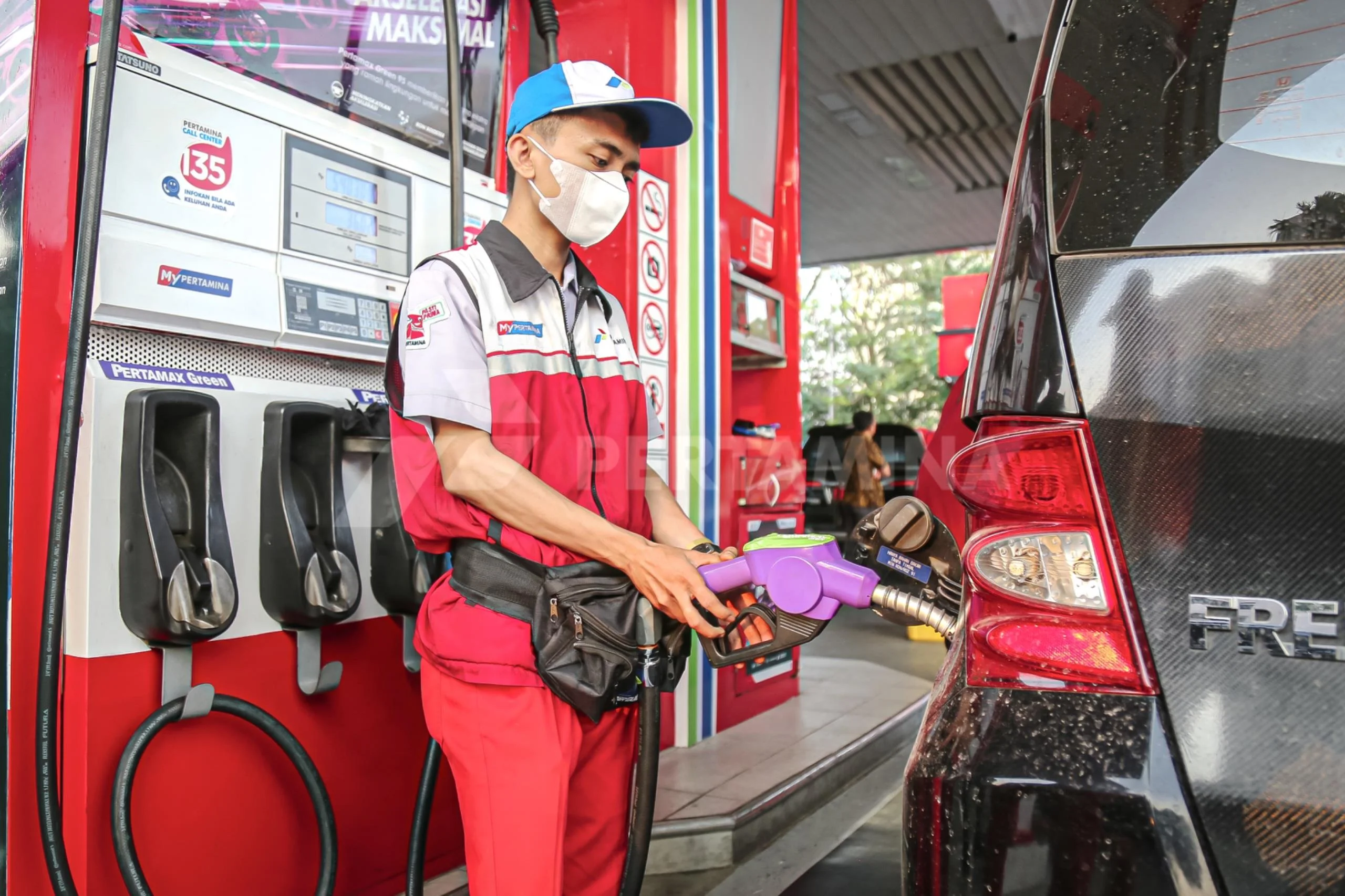
RRI.CO.ID, Jakarta – The Indonesian House of Representatives has criticized the government’s policy, implemented through the state-owned oil and gas company PT Pertamina (Persero), to raise the prices of non-subsidized petroleum products. The House’s Commission VI lawmaker Mufti Anam stated that the policy was implemented abruptly without adequate public outreach.
“Once again, fuel prices have been raised without prior warning, and this time the increase is quite significant. This situation could place a heavy burden on the public,” Mufti said in a statement on Sunday, April 19, 2026.
Pertamina officially adjusted the prices of non-subsidized fuel on Saturday, April 18, covering Pertamax Turbo, Dexlite, and Pertamina Dex. The adjustment reportedly came without broad public notice.
According to data from the MyPertamina platform, the price of Pertamax Turbo (RON 98) rose from IDR 13,100 (USD 0.76) to IDR 19,400 per liter (USD 1.13). Dexlite increased from IDR 14,200 to IDR 23,600 per liter, and Pertamina Dex from IDR 14,500 to IDR 23,900 per liter. Subsidized fuel prices remain unchanged.
Mufti noted that this move contrasts with previous government policy, which held back subsidized fuel prices despite global geopolitical pressures. He said the public had been led to believe that energy costs were relatively stable. “Just as people began to feel reassured, a sharp increase was introduced without adequate preparation or communication,” he added.
He also highlighted the indirect impact of the policy. Although non-subsidized fuel is typically consumed by certain groups, many ordinary citizens are forced to switch due to limited access to subsidized fuel. In several regions, distribution of subsidized fuel continues to face obstacles, including long queues and supply shortages. As a result, some consumers have no choice but to purchase more expensive non-subsidized fuel.
“The issue is not only about subsidized versus non-subsidized fuel, but also about access and fairness. When those entitled to subsidies cannot obtain them, while alternatives become increasingly costly, the burden on society inevitably grows,” Mufti explained.
He urged the government and Pertamina to improve the distribution of subsidized fuel to ensure it reaches the right targets. He also stressed the importance of responding quickly to global energy price fluctuations. “If global conditions improve and oil prices fall, then domestic price adjustments must also be made promptly. The impact on the public economy is far-reaching,” he said. (Gusti Panji/Sri Wahyuni)
News Recomendation
Loading latest news.....