



Middle Class Seen as Key to Indonesia’s Economic Stability
- 16 Apr 2026 13:30 WIB
- Voice of Indonesia
Key Points
- The government sees middle‑class purchasing power as vital for economic stability amid global uncertainty.
- Middle and lower middle classes make up 66.35 percent of Indonesia’s 185.35 million people, sustaining consumption.
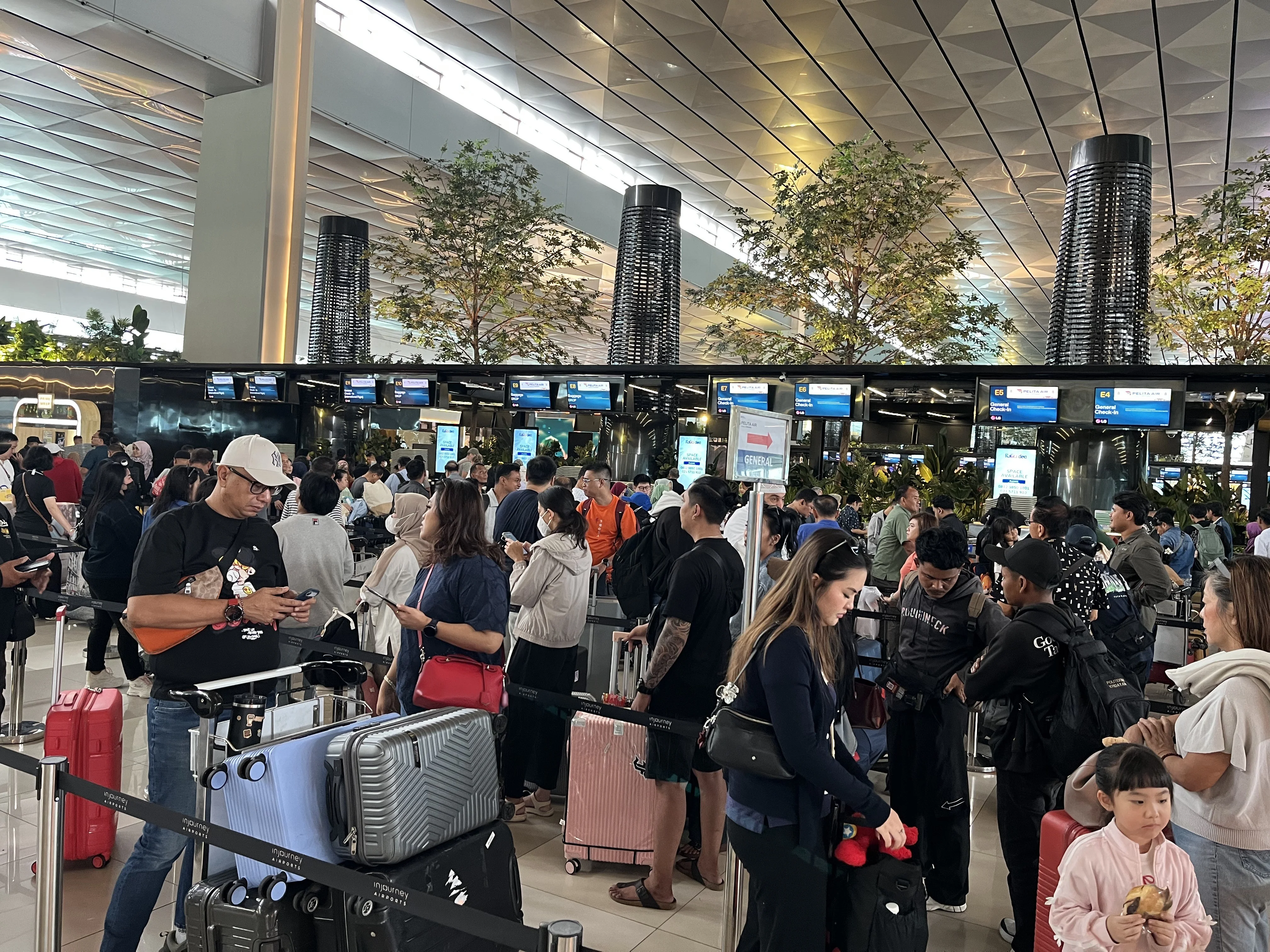
RRI.CO.ID, Jakarta - The Indonesian government views the purchasing power of the middle class as a crucial pillar of national economic stability amid global uncertainty. Household spending continues to play a dominant role in sustaining growth.
Secretary of the Coordinating Ministry for Economic Affairs, Susiwijono Moegiarso, said household consumption accounts for around 54–55 percent of Gross Domestic Product (GDP), helping maintain resilience despite external turbulence. “Indonesia’s economic structure is relatively more resilient because it is not overly dependent on foreign trade,” he said in Jakarta on Thursday, April 16, 2026.
He noted that the middle and lower middle classes make up 66.35 percent of Indonesia’s 185.35 million people, serving as the backbone of consumption and national purchasing power. However, Susiwijono acknowledged a shift in the middle class toward the lower middle segment, signaling pressure on purchasing power, particularly in urban areas.
The middle class is also undergoing structural changes, with employment increasingly dominated by the service sector and fewer formal workers. Consumption patterns are shifting toward non‑food needs such as housing, transportation, and lifestyle. “This situation is a concern for the government in formulating future policies,” he said.
Susiwijono referred to the “Chilean Paradox,” where high economic growth does not necessarily translate into equitable welfare. He stressed that Indonesia’s economic policies must prioritize improving public welfare.
To address these challenges, the government has rolled out programs targeting all segments of society.
Vulnerable groups receive social assistance, while the middle class benefits from tax incentives, housing support through the Housing Financing Liquidity Facility (FLPP), automotive incentives, and energy subsidies. These measures aim to sustain purchasing power and economic activity. (Gusti Panji/Lasti Martina)
News Recomendation
Loading latest news.....