



Witness and Victim Protection Bill Expands Legal Safeguards
- 14 Apr 2026 20:42 WIB
- Voice of Indonesia
Key Points
- The Draft Law on Witness and Victim Protection (RUU PSDK) expands safeguards to all crimes, updating Law No. 31/2014.
- LPSK proposes a victim’s endowment fund to guarantee restitution rights under the Witness and Victim Protection Bill.
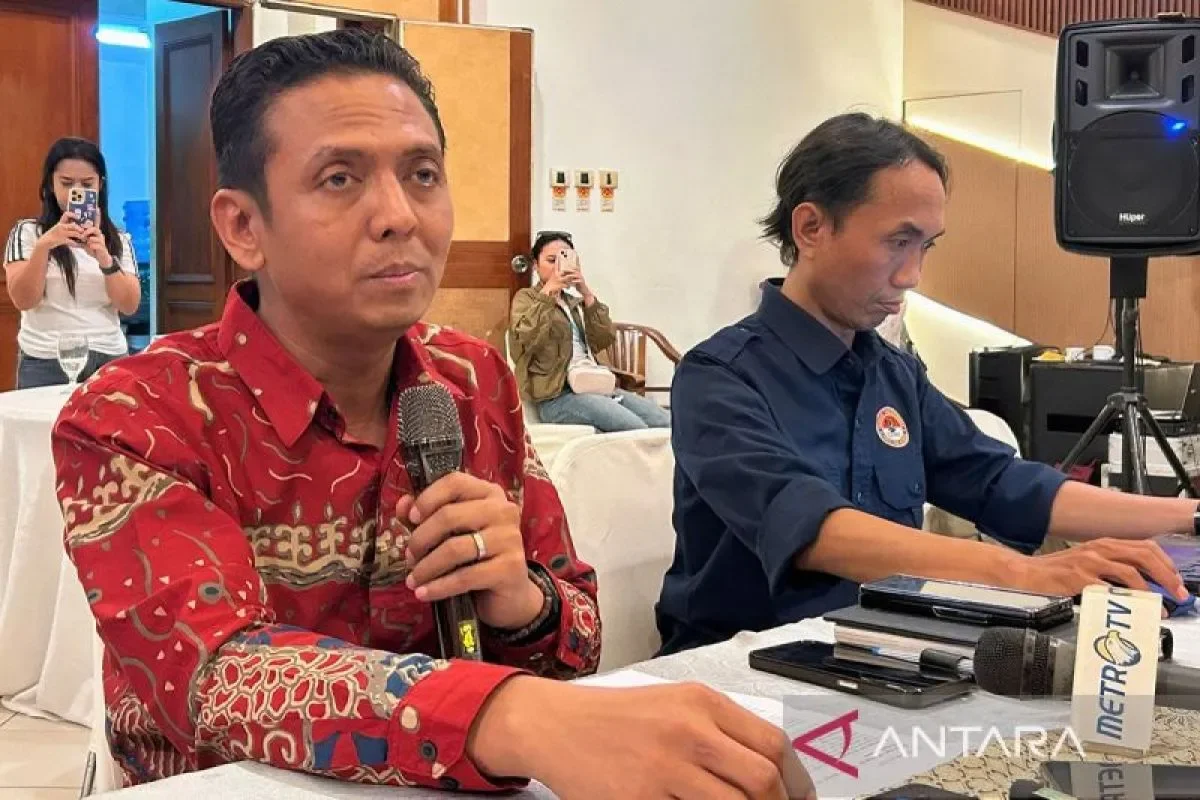
RRI.CO,ID, Jakarta - The draft Witness and Victim Protection Bill (PSDK Bill) broadens the scope of legal protection to cover witnesses and victims of all types of crimes, updating Law No. 31/2014 on Witness and Victim Protection.
“Now there are no longer any limitations. All crimes can be protected as long as there is a threat,” said Deputy Chairman of the Witness and Victim Protection Agency (LPSK), Wawan Fahrudin, in Jakarta on Tuesday, April 14, 2026, as quoted by Antara.
He emphasized that the reform is crucial, as current regulations remain focused on specific offenses such as terrorism, corruption, and organized crime. Under the existing law, witnesses, victims, whistleblowers, cooperating witnesses, and experts are covered, but informants and other vulnerable groups are not explicitly included.
The new bill introduces a threat-based approach, allowing any victim or witness facing intimidation, threats, or pressure to seek protection, regardless of the type of case. Wawan said this expansion aims not only to provide security but also to encourage greater public participation in law enforcement.
The bill also strengthens LPSK’s authority to work more closely with police and prosecutors. It includes protection clauses for vulnerable groups and human rights activists, who often face high risks in their advocacy work.
In addition, LPSK is promoting the establishment of a victim’s endowment fund to guarantee restitution rights. The fund would cover shortfalls when perpetrators are unable to fully meet court-ordered restitution. “The concept is similar to a victim assistance fund, where the state covers the shortfall in restitution payments,” Wawan explained.
| Baca juga: Govt Submits Traffic Law Amendment Inventory |
He gave the example of a court ordering restitution of IDR 100 million, but the perpetrator’s assets amounting to only IDR 70 million could be seized. In such cases, the remaining IDR 30 million would be covered by the state, without eliminating the perpetrator’s responsibility.
The scheme already has a conceptual basis in existing regulations, including the Criminal Procedure Code and the Law on Sexual Violence Crimes, but requires integration into a broader framework. Funding sources could include the state budget (APBN), regional budgets (APBD), corporate social responsibility (CSR), and philanthropy.
Wawan stressed that the government's commitment to allocating funds annually is essential to ensure certainty for victims. He also underlined the importance of transparent and accountable governance, noting that LPSK is audited by the Supreme Audit Agency (BPK) and will publish reports for public accountability.
The establishment of the endowment fund is part of a broader effort to shift the criminal justice system’s orientation toward victim recovery, not only punishment of perpetrators.
With more inclusive protection and guaranteed restitution, LPSK believes the public will be more willing to provide information and report crimes, strengthening trust in law enforcement and supporting a more effective, transparent, and just system. ***
News Recomendation
Loading latest news.....