



BPJS and Indonesian Military Launch Hospital Ships for Healthcare in 3T Area
- 07 Apr 2026 14:42 WIB
- Voice of Indonesia
Key Points
- The BPJS Health is collaborating with the Indonesian Military to deploy hospital ships to reach underdeveloped, frontier, and outermost (3T) regions.
- The program is a priority goal designed to accelerate Universal Health Coverage in areas lacking traditional medical infrastructure.
- The agency currently utilizes three hospital ships, including the Ksatria Airlangga, with plans to expand the fleet following talks with the Defense Minister and Naval leadership.
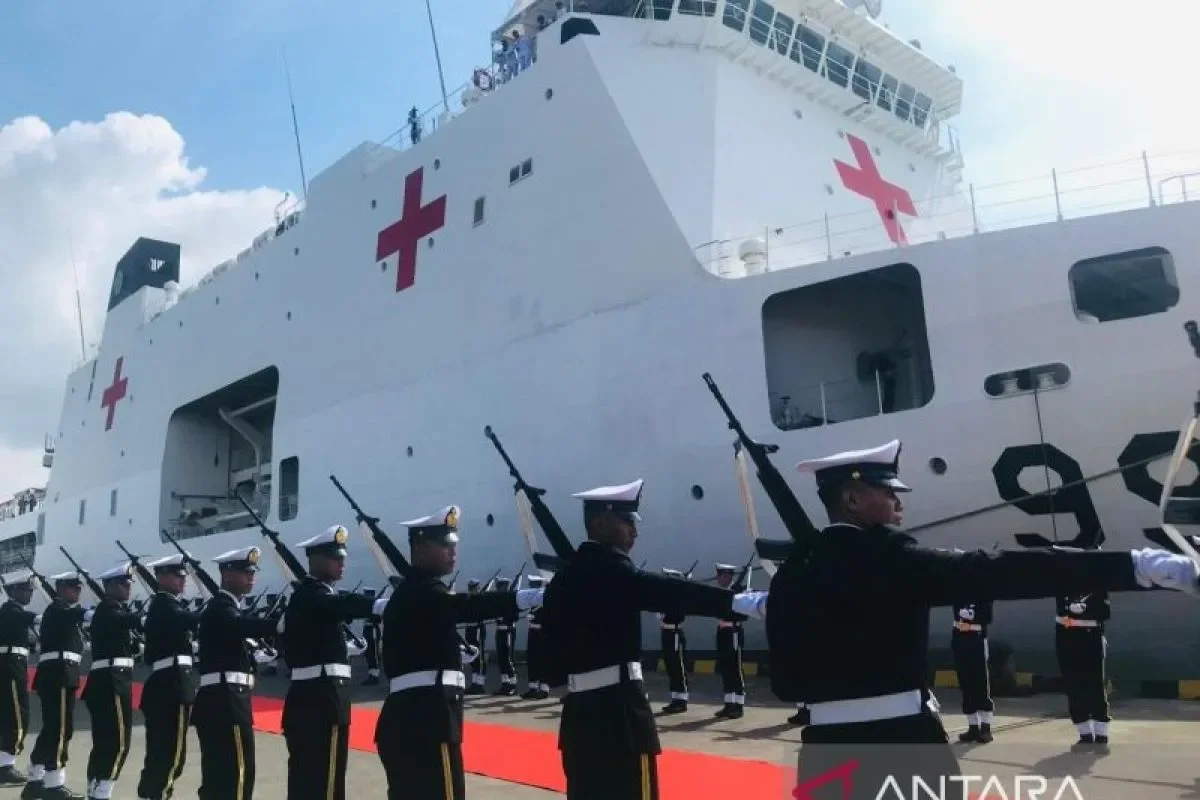
RRI.CO.ID, Jakarta - The Indonesian Health Care Security Agency (BPJS Health) has announced a strategic partnership with the Indonesian Military to utilize naval medical vessels as floating healthcare hubs for the "3T" regions, areas classified as underdeveloped, frontier, and outermost.
This initiative is a centerpiece of the agency's "Quick Win" priority programs aimed at accelerating Universal Health Coverage. "We have met with the Defense Minister, and moving forward, we will also meet with the Indonesian Military and the Chief of Naval Staff. Currently, we are already collaborating with three hospital ships," said President Director of BPJS Health, Prihati Pujowaskito, in Jakarta on Tuesday, April 7, 2026.
One such facility already in operation is the Ksatria Airlangga Hospital Ship, and Pujo emphasized that the network will expand significantly following further coordination with military leadership.
The strategy addresses a critical infrastructure deficit where many citizens in remote villages lack even basic access to medical facilities. To solve this, the BPJS Health plans to provide assistance incentives through these floating hospital partnerships.
"So that services that have not been felt in disadvantaged areas can be provided through hospital ships, we plan to implement this within the next three months," added Pujo, as quoted by Antara.
This effort is being closely synchronized with the Ministry of Villages and Development of Disadvantaged Regions to ensure equitable health distribution.
The scale of the National Health Insurance (JKN) program remains massive, with 283 million registered participants, of which approximately 81.5 percent, or over 266 million people, are considered active members.
Managing this vast network requires a sophisticated financial and logistical operation. BPJS Health currently transacts with more than 23,000 clinics and 3,170 hospitals across the archipelago to maintain steady service delivery.
The financial weight of these operations is equally significant. With an average payout of IDR 2 million (USD 124.20) per transaction, the agency manages a staggering daily expenditure.
"The funds for JKN amount to IDR 500 billion (USD 29.23 million) in a single day. This is the reality of what BPJS Health does in implementing the JKN program," noted Pujo.
By taking these resources to the sea, the agency aims to ensure that the multi-million dollar daily investment finally reaches the furthest reaches of the Indonesian coastline. ***
News Recomendation
Loading latest news.....