



Indonesian Lawmaker Urges Bold Overhaul of Public Transport Amid Energy Crisis
- 06 Apr 2026 13:18 WIB
- Voice of Indonesia
Key Points
- The House of Representatives urged the government to improve public transportation to reduce reliance on fuel supplies affected by the Strait of Hormuz closure.
- Home Affairs Minister Tito Karnavian reiterated that the government’s work from home (WFH) policy for civil servants should not be treated as an extended holiday.
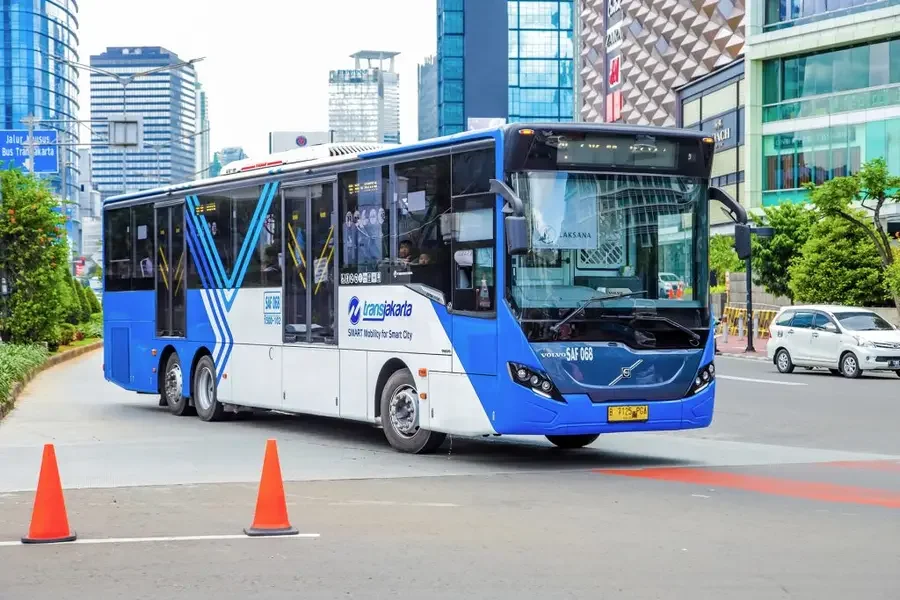
RRI.CO.ID, Jakarta - Deputy Speaker of the Indonesian House of Representatives (DPR RI) Commission V, Syaiful Huda, has called on the Indonesian government to take “revolutionary steps” to reform the country’s public transportation system.
The National Awakening Party (PKB) politician’s remarks came in response to escalating conflict in the Middle East, which has led to the closure of the Strait of Hormuz. The disruption threatens to drive up global energy prices and destabilize Indonesia’s economy.
“The energy crisis we face today must serve as a wake-up call for the government. We cannot continue relying on reactive measures such as work-from-home (WFH) policies every time oil prices surge,” Huda said in a press statement in Jakarta, Monday, April 6, 2026.
He stressed the need for permanent solutions to withstand intensifying geopolitical risks. “The long-term solution is to shift people’s mobility from private vehicles to a reliable public transport system,” Huda added.
According to him, Indonesia’s dependence on fossil-fuel-powered private vehicles leaves national resilience highly vulnerable to global oil price volatility. Strengthening mass transit, he argued, is not merely an urban comfort issue but a strategic measure to safeguard the country’s energy sovereignty.
“There must be a clear roadmap so that public transport truly becomes the backbone of mobility -- affordable, accessible, and comfortable for all,” Huda emphasized.
Separately, Home Affairs Minister Tito Karnavian reiterated that the government’s work from home (WFH) policy for civil servants should not be treated as an extended holiday. Instead, it is part of a broader cultural shift in work practices and an effort to improve energy efficiency within government institutions.
Tito explained that the policy aims to ensure civil servants remain productive even outside the office. To guarantee compliance, the government will tighten monitoring systems, including the use of geo-location technology.
“We can ensure that civil servants are genuinely working from home, with their mobile phones required to remain active so their location can be tracked,” Tito said in Jakarta, Thursday, April 2, 2026. (Misni Parjiati/Sri Wahyuni)
News Recomendation
Loading latest news.....