



Exploring Solosche Radio Vereeniging, Pioneer of Indonesian Radio Broadcasting
- 01 Apr 2026 14:51 WIB
- Voice of Indonesia
Key Points
- Solosche Radio Vereeniging (SRV) was established on April 1, 1933, as the first indigenous radio broadcaster.
- SRV's journey continued until it pioneered the formation of RRI as a national radio station.
- SRV's history and achievements formed the basis for the establishment of National Broadcasting Day (Harsiarnas).
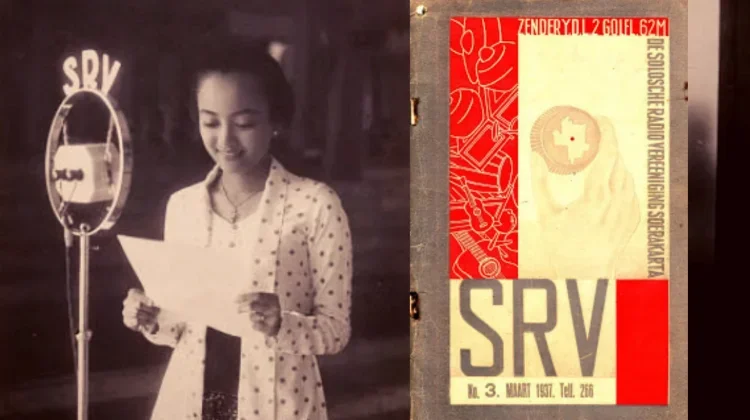
RRI.CO.ID, Jakarta - Solosche Radio Vereeniging (SRV) marked the dawn of national broadcasting in Indonesia, even before the country's independence. Its legacy is closely tied to the annual National Broadcasting Day commemoration on April 1.
The commemoration was established to honor SRV's founding on April 1, 1933, in Solo. This milestone is regarded as the starting point for state-owned radio stations operated by indigenous Indonesians.
SRV was the first radio station owned and managed by native people of the Dutch East Indies. It was initiated by KGPAA Mangkunegara VII alongside RM Sarsito Mangunkusumo.
According to the National Press Monument, SRV's establishment stemmed from the growing popularity of radio technology among local elites. Mangkunegara VII leveraged it to disseminate Javanese culture to a wider audience.
Initially, broadcasts were handled by the Javaansche Kunstsring Mardiraras arts group within the Mangkunegaran court. They aired gamelan performances, vocal music (klenengan), and other traditional arts via radio.
Early broadcasts were simple, community-based, and limited in reach. Over time, however, SRV's signals expanded beyond Solo, reaching even international audiences.
SRV's programming focused heavily on cultural content, including wayang orang (puppet theater), ketoprak (folk drama), and traditional Javanese music. Beyond entertainment, it emphasized educational value and gradually infused nationalist sentiments.
Indonesia's radio broadcasting evolved significantly over the years. During the colonial and Japanese occupation eras, radio served as a tool for propaganda and information control.
This underscored radio's strategic role in social and political life. Eventually, several stations were consolidated under Hoso Kyoku command.
That central broadcasting hub, based in Jakarta, had branches in Bandung, Purwokerto, Yogyakarta, Surakarta, Semarang, Surabaya, and Malang. Its primary function was to propagate Japanese messages to Indonesians.
Following the atomic bombings of Hiroshima and Nagasaki that crushed Japan, Japanese propaganda broadcasts ceased. On September 11, 1945, representatives from eight former Hoso Kyoku stations met with the government in Jakarta.
The broadcasting spirit ignited by SRV continued through the formation of National Radio Station Radio Republik Indonesia (RRI) on that date. RRI emerged as the national broadcaster, unifying stations across Indonesia.
Through this storied journey, SRV is remembered as the pioneer that paved the way for national radio broadcasting. In 2019, President Joko Widodo formalized Harsiarnas via Presidential Decree No. 9/2019, recognizing SRV's historical contributions to the Republic of Indonesia. (Annaila Azzahra/Bambang MBKA)
News Recomendation
Loading latest news.....