



Misinformation Fuels Public Doubt, Weakens Measles Vaccination Rates
- 01 Apr 2026 06:05 WIB
- Voice of Indonesia
Key Points
- According to the Indonesian Internal Medicine Specialists Association (PAPDI), misinformation is a major factor behind the decline in vaccination coverage.
- Measles vaccine coverage declined significantly in 2025, falling short of the 95 percent target required for herd immunity.
- Public education and the role of healthcare workers are vital to increasing vaccination coverage.
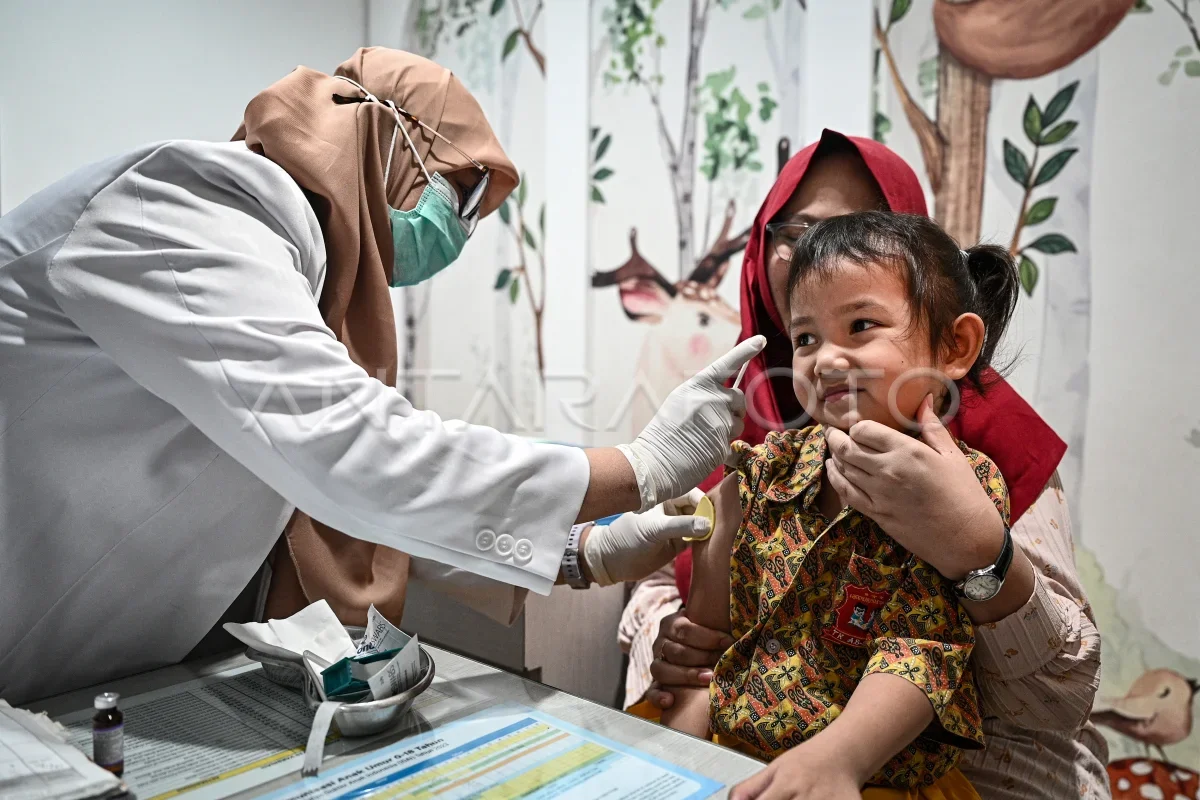
RRI.CO.ID, Jakarta – Misinformation on social media has been identified as a key factor behind the decline in measles vaccination coverage in Indonesia.
Dr. Sukamto Koesnoe, Chairman of the Adult Immunization Task Force of the Indonesian Internal Medicine Specialists Association (PAPDI), said that misinformation, rather than anti-vaccine groups, has fueled public doubts.
“There aren’t many anti-vaccine groups, but because they go viral, they end up creating public confusion and doubt,” Sukamto said at a press conference themed “Measles in Adults: Danger Signs and Appropriate Management, and the Role of Vaccination” in Jakarta on Tuesday, March 31, 2026, as quoted by Antara.
He explained that this doubt directly affects public decisions to delay or stop immunization.
PAPDI data show that first-dose measles-rubella immunization coverage fell from 92 percent to 82 percent in 2025, while second-dose coverage dropped from 82.3 percent to 77.6 percent. These figures remain well below the World Health Organization’s (WHO) target of 95 percent required to achieve herd immunity.
Sukamto noted that declining vaccination coverage increases the risk of wider transmission because more individuals lack immunity. “When vaccination coverage decreases, the virus will more easily find people who are not yet immune, so transmission will accelerate,” he said.
He added that disruptions to immunization services and high public mobility during the COVID-19 pandemic also contributed to the spread of cases.
In this situation, healthcare workers play a crucial role in restoring public trust.
Sukamto cited a study by the Centers for Disease Control and Prevention (CDC) that found that effective communication between doctors and patients can increase vaccination rates by more than 70 percent.
PAPDI is encouraging stronger public education and collaboration with community and religious leaders to counter misinformation. With more than 6,300 internal medicine specialists across Indonesia, the association is confident that appropriate education can help restore public trust and encourage vaccination participation.
“Correct information must continue to be disseminated so that the public is not influenced by misleading narratives,” Sukamto said. ***
News Recomendation
Loading latest news.....