



Indonesia Urges Prudent Energy Use Amid Global Supply Shock
- 27 Mar 2026 09:10 WIB
- Voice of Indonesia
Key Points
- Indonesian Energy Minister Bahlil Lahadalia urges citizens to use fuel wisely and avoid hoarding amid global supply disruptions.
- Diesel supply is secure thanks to Pertamina’s Balikpapan refinery expansion, ending Indonesia’s reliance on imports.
- Global oil prices surge past USD 100 per barrel as Iran’s closure of the Strait of Hormuz disrupts energy flows worldwide.
RRI.CO.ID, Jakarta - The escalating conflict between the United States, Israel, and Iran has sent shockwaves through global energy markets, disrupting supply chains and driving oil prices above USD 100 per barrel. With the Strait of Hormuz -- one of the world’s most critical shipping lanes -- effectively closed by Iran, countries across Asia are grappling with soaring fuel costs and energy shortages.
Against this backdrop, Indonesian Minister of Energy and Mineral Resources, Bahlil Lahadalia, has called on citizens to use energy wisely and avoid stockpiling fuel. During an inspection in Central Java, monitored virtually from Jakarta, the Minister stressed that public cooperation is essential to maintaining stability in fuel supplies.
“Please use energy responsibly. Gas stations are not meant for industrial hoarding; use them wisely,” he said during the inspection on Thursday, March 26, 2026, as quoted by Antara.
Minister Bahlil highlighted the troubling practice of trucks queuing at gas stations to purchase fuel for resale, warning that such behavior undermines national energy security. He pledged continued field inspections to safeguard supplies at fuel stations, noting that government efforts alone cannot stabilize stocks without public support.
“Those who hoard fuel must remember that the nation needs responsible citizens. Please stop these practices,” he urged.
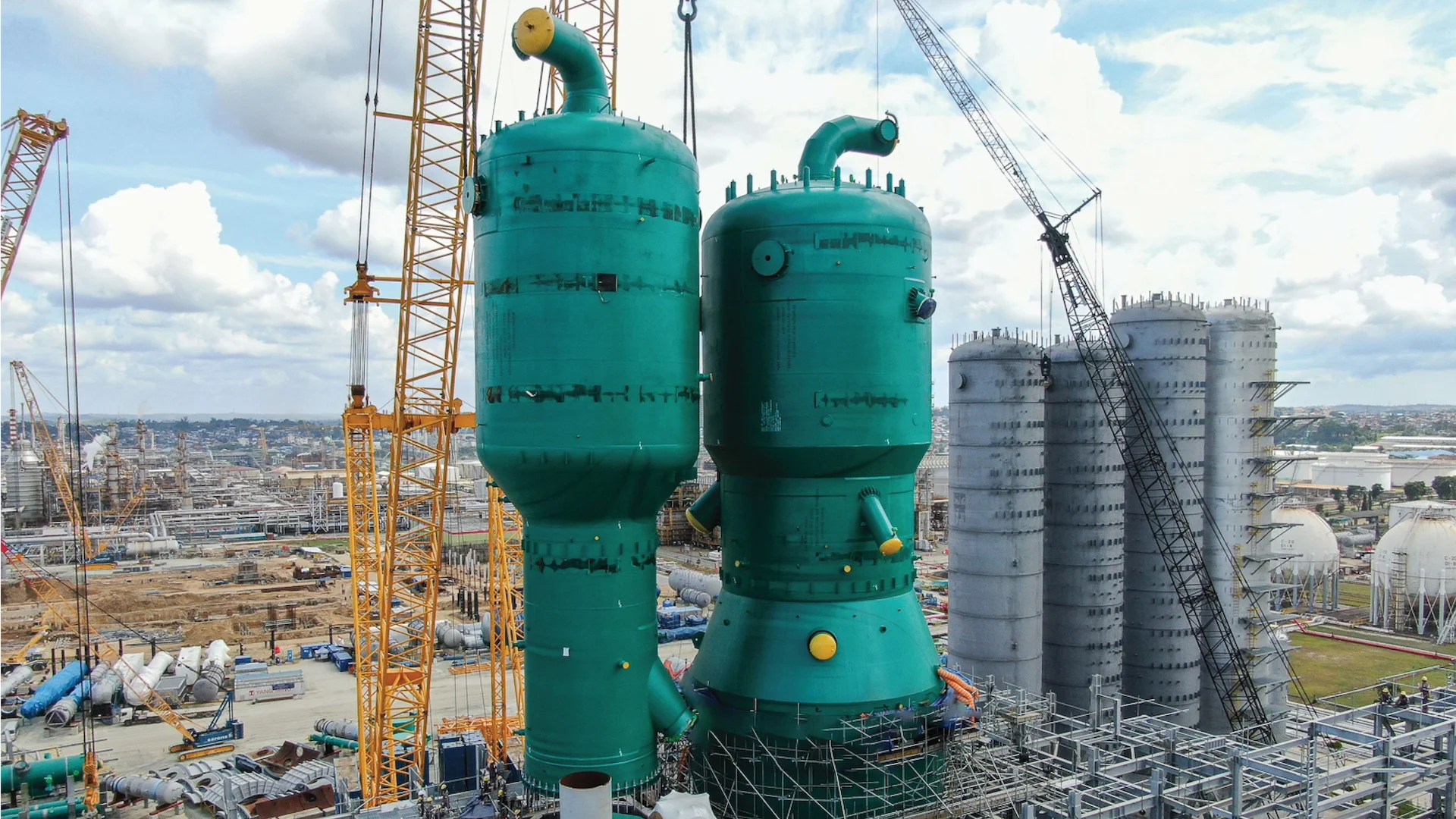
Despite global turmoil, Minister Bahlil assured Indonesians that diesel supplies remain secure. Since early 2026, Indonesia has ceased importing diesel, thanks to the expansion of state-owned oil dan gas company Pertamina’s Balikpapan Refinery under the Refinery Development Master Plan (RDMP). President Prabowo Subianto inaugurated the project, which boosted capacity by 360,000 barrels per day, the largest in the country.
With this milestone, the government has banned diesel imports, requiring even private gas stations to source supplies from Pertamina. “We must reassure the public that diesel is safe. We no longer rely on imports,” Bahlil said.
Indonesia still imports about half of its gasoline and 70 percent of its liquefied petroleum gas (LPG). To diversify supply, the government is exploring alternative import sources, including Angola, Brazil, the United States, and Russia.
While acknowledging the reliance on imports, Minister Bahlil emphasized that Indonesia remains in a stable condition. He urged citizens to avoid panic buying and consume fuel moderately.
The war’s ripple effects are already visible across Asia. In Vietnam, diesel prices have surged by more than 100 percent since late February, prompting the government to seek energy support from countries such as Qatar, Kuwait, Algeria, and Japan. Vietnam has also signed new oil and gas cooperation agreements with Russia and cut environmental taxes on fuel to ease the burden.
The Philippines has declared a national energy emergency, shifting schools back to online learning and reducing government office hours to save fuel. Authorities are encouraging citizens to use public transport, offering a 50 percent discount on fares.
Sri Lanka, meanwhile, has ordered streetlights, neon signs, and billboard lighting to be switched off to cut energy consumption by 25 percent. The government has introduced a four-day workweek and remote working policies to reduce transport demand, while warning of possible nationwide blackouts if consumption is not curbed.
In light of these regional challenges, Minister Bahlil reiterated that Indonesia’s energy situation remains manageable, provided citizens act responsibly. “There is no need for panic buying. Use energy sufficiently and wisely,” he said.
As the Middle East conflict enters its fourth week, global leaders continue to press Iran to reopen the Strait of Hormuz. Until then, countries like Indonesia are relying on domestic resilience and public cooperation to weather the energy crisis. ***
News Recomendation
Loading latest news.....