



BPOM Reports Most Unlicensed Imported Food from Malaysia Ahead of Ramadan and Eid
- 11 Mar 2026 19:36 WIB
- Voice of Indonesia
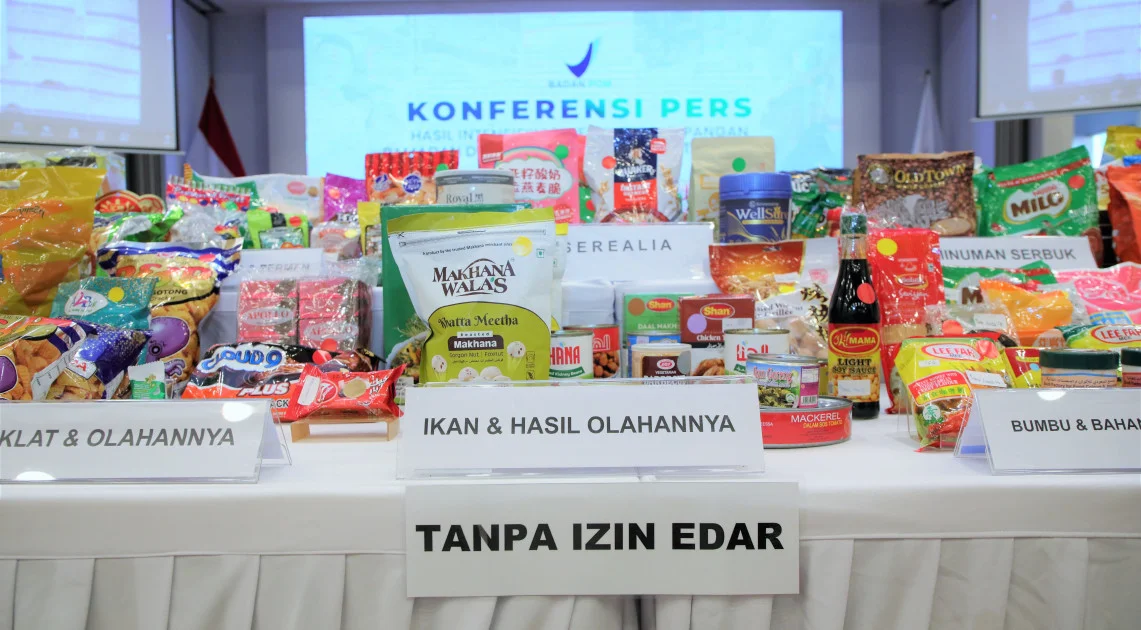
RRI.CO.ID, Jakarta - The Indonesian Food and Drug Monitoring Agency (BPOM) has found several imported processed food products in violation of regulations during inspections ahead of Ramadan and Eid al-Fitr 2026. Most of the unlicensed products originated from Malaysia and Singapore.
BPOM intensified food inspections across 38 provinces to ensure the safety of food distributed during the surge in consumption during Ramadan and Eid.
“Based on the results of the inspections, most of the unlicensed imported food products came from Malaysia, amounting to 70.4 percent. Then Singapore 11.3 percent, followed by China 10.4 percent and Thailand 2.2 percent,” said BPOM Head Taruna Ikrar in Jakarta on Wednesday, March 11, 2026.
The agency monitored 1,134 processed food distribution facilities, including modern retailers (50.2 percent), traditional retailers (32.5 percent), distributor warehouses (16.6 percent), importer warehouses (0.6 percent), and e-commerce warehouses (0.1 percent). Of these, 739 facilities (62.2 percent) were found compliant, while 395 facilities (34.8 percent) were non-compliant.
Non-compliant facilities included 227 modern retailers, 143 traditional retailers, 24 distributor warehouses, and one importer warehouse.
BPOM also found food products that failed to meet safety and licensing standards. These included 27,407 unlicensed products (48 percent of total findings), 23,776 expired products (42 percent), and 4,844 damaged products (8.7 percent).
Taruna explained that the high number of unlicensed products was partly due to increased consumer demand, which is often exploited by parties illegally importing goods through unofficial distribution channels, particularly in border areas.
BPOM identified several regions with the highest number of unlicensed products, including Palembang (10,848 items), Palopo in South Sulawesi (2,756), Batam (2,653), Sanggau in West Kalimantan (1,654), and Tarakan in North Kalimantan (1,305).
The most commonly found unlicensed products were spices and condiments, food additives, snacks, textured products, processed meat, and processed cereals.
BPOM emphasized that the intensified supervision was carried out to protect the public from health risks posed by food that does not meet regulatory requirements. The inspections also aim to ensure the safety and quality of food consumed during Ramadan and Eid al-Fitr 1447 Hijri/2026. (Gusti Panji/Lasti Martina)
News Recomendation
Loading latest news.....