



Lawmaker Urges Government to Review US-Indonesia Trade Agreement
- 02 Mar 2026 11:18 WIB
- Voice of Indonesia
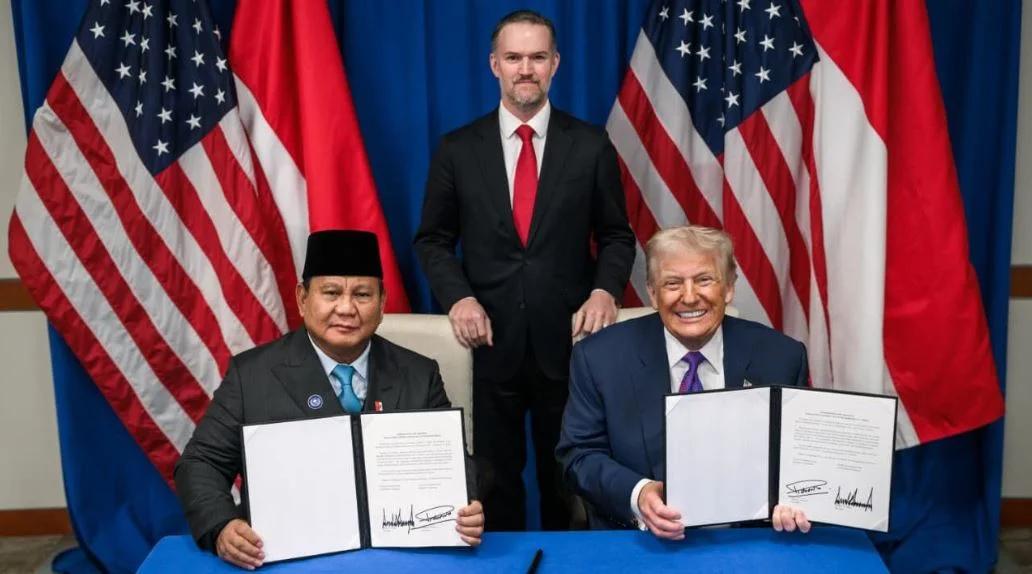
RRI.CO.ID, Jakarta - Deputy Speaker of Commission VII of the House of Representatives (DPR), Chusnunia Chalim, has urged the government to review the Indonesia–United States trade agreement, the Agreement on Reciprocal Trade (ART), signed by President Prabowo Subianto in Washington, D.C., on February 19, 2026.
Chusnunia said the ART covers trade, investment, the digital sector, natural resources, labor, the environment, and economic security.
She warned that the agreement could disadvantage Indonesia, particularly a clause requiring Indonesia to consult and obtain US approval before entering into cooperation with other countries.
“There are more than 20 articles in the agreement that are concerning, for example, regarding the Domestic Component Level (TKDN). The clause states that goods from the US are exempt from the requirements set in Indonesia,” she said in a statement on Monday, March 2, 2026, as quoted by Antara.
She added that if implemented, other countries could demand similar treatment, while the TKDN policy aims to promote national industrialization as a priority agenda.
Chusnunia noted that TKDN is regulated under Industry Minister Regulation No. 35/2025, which requires high local content, including for nickel batteries and electronic modules, to qualify for incentives.
Under the regulation, producers that build facilities in Indonesia and employ local workers are eligible for recognition of a minimum TKDN of 25 percent.
She said the agreement risks positioning Indonesia as merely a market and importer rather than an independent industrial production base.
Chusnunia also criticized clauses on reducing non-tariff barriers and certification requirements, saying they could trigger a surge of imported agricultural and livestock products such as beef, milk, and cheese that could pressure local producers.
She also highlighted developments in the United States, saying the US Supreme Court had annulled the reciprocal tariff policy and declared it illegal because tariff-setting authority rests with Congress, not solely with the president.
She said the change in legal circumstances in the US opens room to reevaluate the agreement. “The government and the DPR still have time to consider renegotiation if the previous trade agreement was based on the threat of high tariffs that have now been annulled,” she said.
She stressed that the government must ensure that every international agreement adheres to social interests, the principle of equality, and mutual benefit. ***
News Recomendation
Loading latest news.....