



Ministry, Standards Agency Partner to Advance Research Commercialization
- 26 Feb 2026 11:25 WIB
- Voice of Indonesia
RRI.CO.ID, Jakarta – The Ministry of Higher Education, Science, and Technology (Kemdiktisaintek) has strengthened its commitment to accelerating the downstreaming of university research and innovation through national standardization.
The effort aims to ensure that research results are not only published in scientific journals but also standardized, trusted by industry, and ready for commercialization.
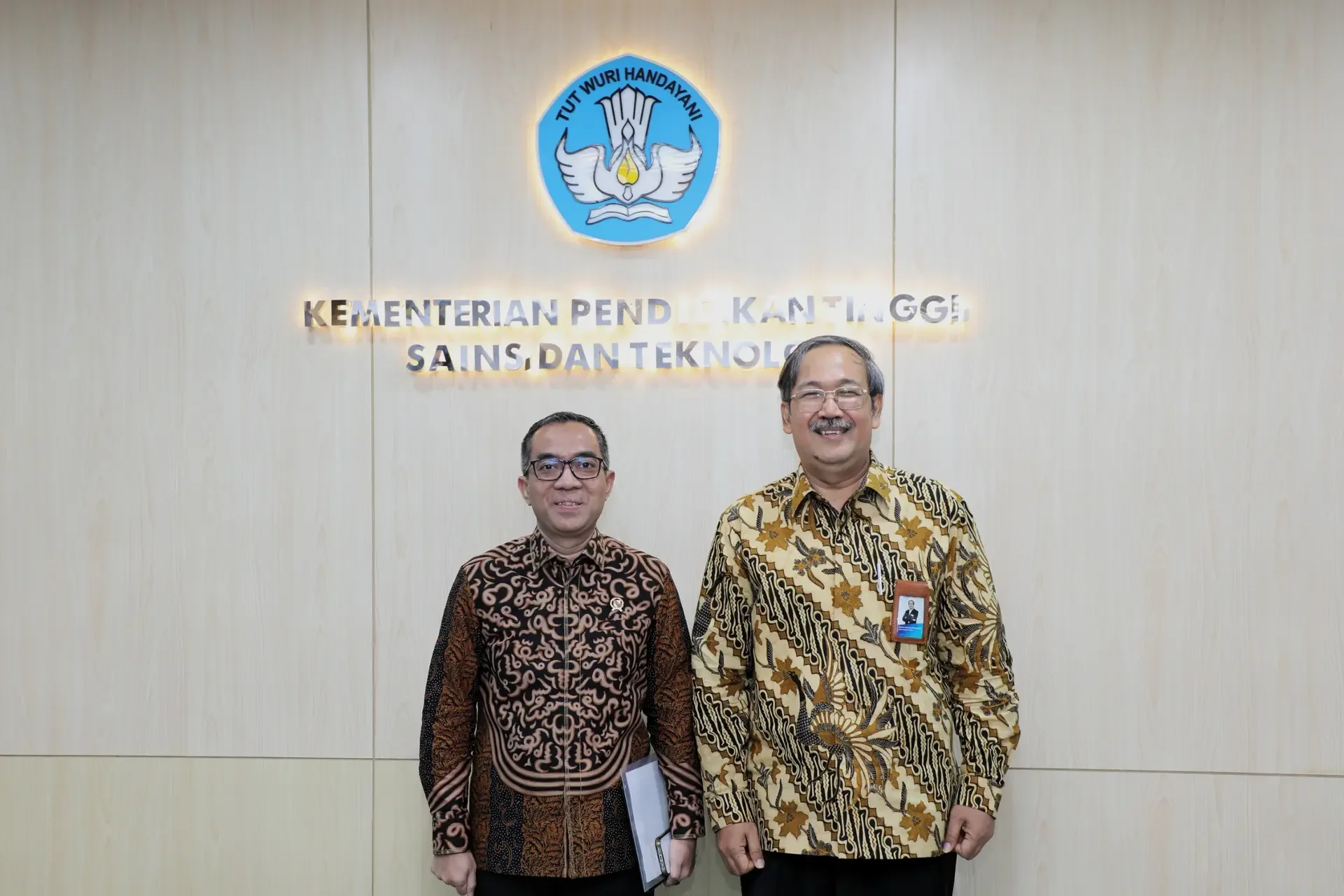
This commitment was reinforced during a meeting between Minister of Higher Education, Science, and Technology Brian Yuliarto and officials from the National Standardization Agency (BSN) at the ministry’s office on Thursday, February 26, 2026.
Minister Brian emphasized that standardization is a crucial instrument to ensure research can be implemented and benefit society. “Ultimately, standardization must be able to support our research products. We need to ensure that research results can provide a real impact,” he said.
He encouraged the creation of collaborative programs between Kemdiktisaintek and BSN to facilitate innovators in drafting Indonesian National Standards (SNI), particularly for new products that currently lack standards.
Many university innovations, ranging from medical devices and advanced materials to environmental technologies, face commercialization challenges due to the absence of standards. “We can create a joint program for innovators. Our faculty resources can be incorporated into the BSN program for drafting standards. This will speed up the process and ensure standards favor national innovation,” Minister Brian added.
The initiative is part of the “Impactful Higher Education” (Diktisaintek Berdampak) policy, which seeks to transform research into standardized products that can be adopted by industry and enter the market.
Waste management emerged as a key focus of the discussion. Minister Brian highlighted the importance of standardization for incinerator technology and environmental testing parameters such as dioxins and furans.
He noted that certain tests are still conducted abroad at high cost, and called for optimizing domestic laboratories, including the use of high-resolution Gas Chromatography–Mass Spectrometry (GC-MS) technology, to enable Indonesia to conduct testing independently and efficiently.
Acting Head of BSN Yustinus Kristianto Widiwardono reported that there are currently 10,069 active SNIs used by businesses and industries. BSN has also accredited thousands of conformity assessment institutions and expanded international recognition through multilateral cooperation schemes.
He expressed readiness to strengthen collaboration with Kemdiktisaintek, including in drafting standards for waste management technologies and other strategic innovations.
The meeting also discussed increasing the number of university laboratories accredited under ISO/IEC 17025, with attention to geographic equality, particularly in Eastern Indonesia.
Kemdiktisaintek will provide funding and training to accelerate accreditation, enabling campus laboratories to function not only as educational and research facilities but also as testing centers for industry and national needs, including environmental management.
Both parties agreed to enhance technical coordination and schedule regular meetings to ensure effective collaboration. The synergy between Kemdiktisaintek and BSN is expected to form a strong foundation for building a standardized, credible, and globally competitive national innovation ecosystem.
Through this partnership, the “Diktisaintek Berdampak” policy is being implemented in concrete actions that connect research, standardization, industry, and solutions to national challenges such as waste management. ***
News Recomendation
Loading latest news.....