



Indonesia Positions Cultural Heritage as a Driver of Economic Growth
- 24 Feb 2026 10:49 WIB
- Voice of Indonesia
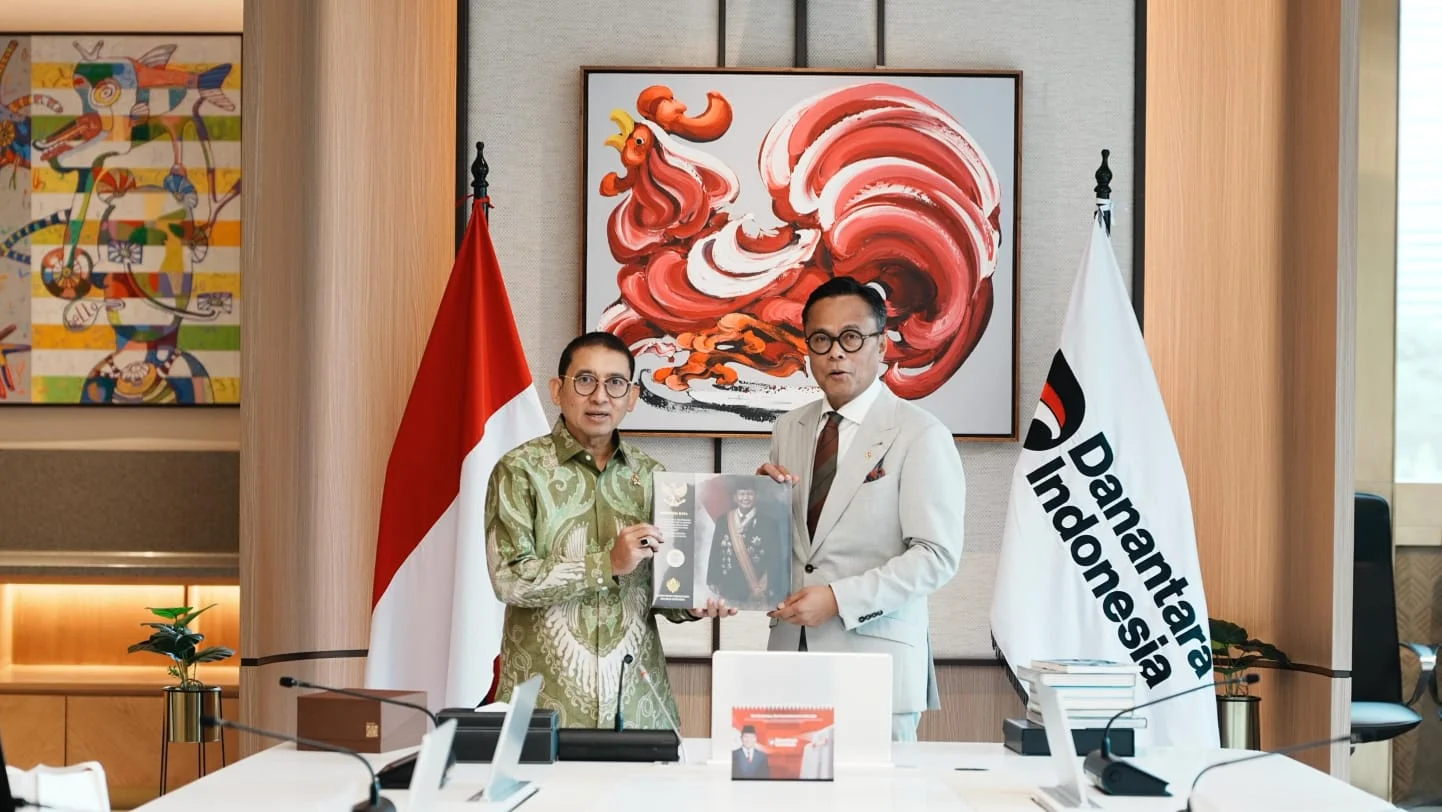
RRI.CO.ID, Jakarta - Indonesia is seeking to transform its vast cultural heritage into a strategic economic asset, as the Ministry of Culture strengthens collaboration with state investment holding, Danantara. The initiative was discussed during a strategic dialogue between Minister of Culture Fadli Zon and Danantara Chief Operating Officer Dony Oskaria in Jakarta, Monday 23 February 2026.
The meeting underscored Indonesia’s ambition to position cultural assets as key drivers of its future economy. Officials emphasized that heritage sites should function as “living heritage” that generate sustainable economic and social impact rather than remain static monuments.
“We want our cultural assets to become living heritage, not merely static relics. Cultural sites must deliver economic, social, and cultural benefits in a sustainable way,” Fadli Zon said, outlining a shift toward impact-driven heritage management.
A key focus is the optimization of world-renowned temple complexes such as Borobudur, Prambanan, Ratu Boko, and Candi Plaosan. Following earlier cooperation agreements on Borobudur, the government is expanding collaboration to strengthen governance, infrastructure, and destination appeal in partnership with tourism and investment entities.
Beyond heritage tourism, Indonesia is also eyeing stronger participation in the global art market through the 2026 edition of the Venice Biennale. The government views the prestigious exhibition not only as a cultural showcase but as part of a broader cultural economy strategy involving international exposure and financial transactions.
“Venice Biennale is a global showcase. Every country has a pavilion, and Indonesia must be present,” Fadli said, adding that seven artists will undertake a two-month residency in Venice, with seven more collaborating across national networks. The government aims to secure a permanent Indonesian pavilion within the next two years.
The dialogue also addressed Indonesia’s fast-growing film industry, which has seen growing domestic audiences but faces infrastructure constraints. With around 2,500 cinema screens nationwide—far below the estimated ideal of 10,000—the ministry is exploring partnerships to expand theater access in regional cities and districts.
In addition, plans were discussed to revitalize the Museum of the Proclamation Manuscript in Jakarta by optimizing adjacent state-owned assets to strengthen its historical narrative and visitor experience. Danantara’s COO, Dony Oskaria, stressed the importance of measurable performance indicators in cultural collaborations, stating, “If initiatives are strategically structured with clear KPIs and strategic messaging, their impact will be far stronger.”
The meeting marks an early step in aligning cultural policy with investment strategy, signaling Indonesia’s intent to integrate heritage preservation with economic modernization. By linking cultural diplomacy, tourism, creative industries, and infrastructure development, the government aims to boost Indonesia’s global cultural presence while delivering tangible economic benefits at home.
News Recomendation
Loading latest news.....