



Marine Science as Leverage in Global Tuna Quota Negotiations
- 18 Feb 2026 17:05 WIB
- Voice of Indonesia
RRI.CO.ID, Jakarta - National Research and Innovation Agency (BRIN), is taking a step in modernization of national research vessels to strengthen marine research capacity. It is a strategy to strengthen its bargaining position in global fisheries quota negotiations. As part of the strategy, a Market Sounding for Ship Public-Private Partnership (PPP) Project was held in Jakarta on Wednesday, 18 February 2026.
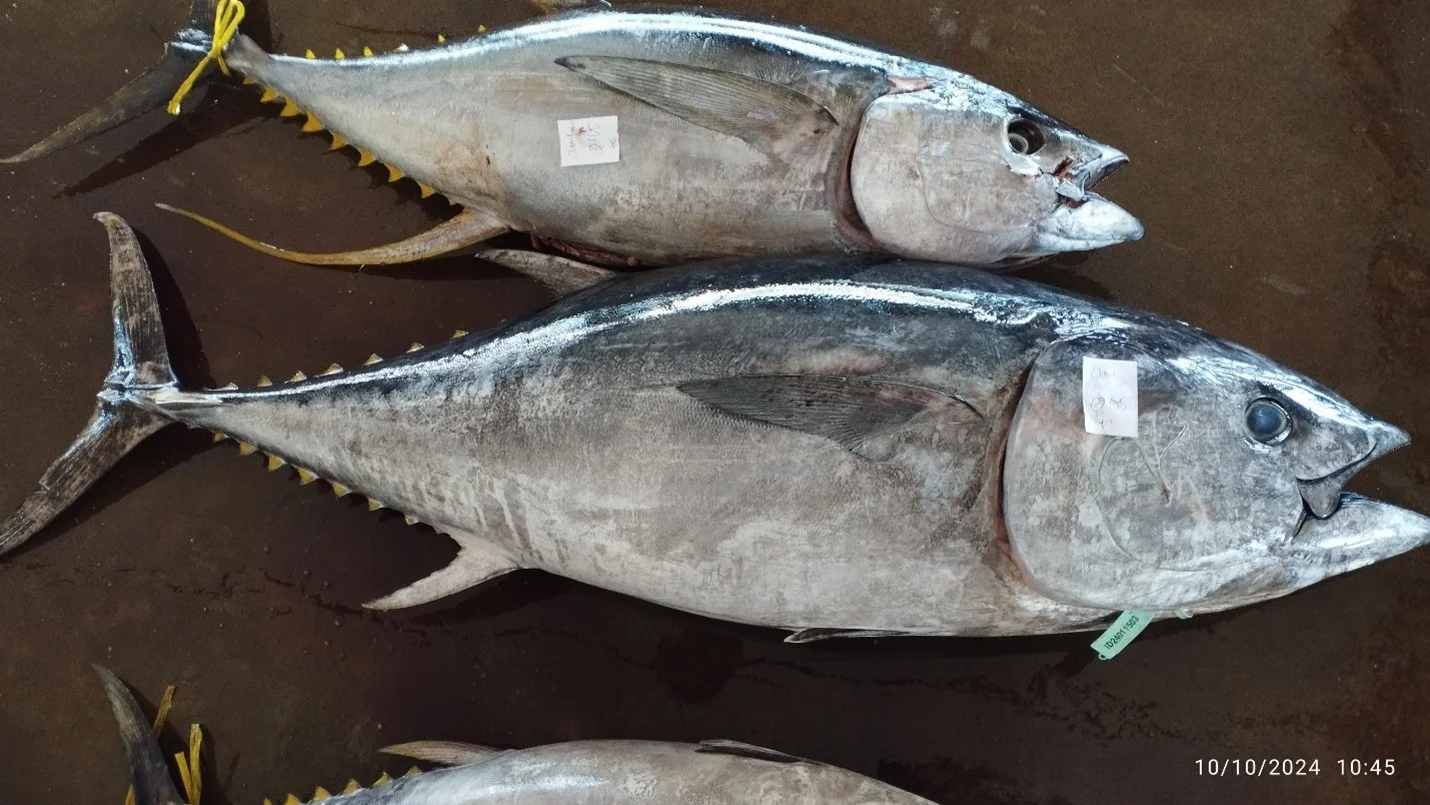
Head of the National Research and Innovation Agency (BRIN), Arif Satria, stated that strong scientific data and methodology will be the determinants in distributing global fisheries quota negotiations. In his opening remarks on the event, he revealed that there is an allegation that the southern region of Java is the spawning ground for Southern Bluefin Tuna.
“We need in-depth research on this to confirm that the Bluefin Tuna spawning grounds are within Indonesian territory. If that's the case, what does that mean? This will be a key element in our negotiations to increase quotas in the international market,” he said.
This allegation is an important push towards strong data. He emphasized that without strong data, Indonesia will continue to be in a weak position in international forums. He also hopes that through the Ship PPP Project to modernize the research vessel fleet, Indonesia will have a larger global fishing quota.
“One of the most important determinants in today's world is the power of data. And the power of data is the power of research. Therefore, modernizing research vessels in Indonesia is now a necessity,” he stated.
The National Research Agency targets increasing marine research capacity, which is currently around 2,500 sailing days per year, with an ideal requirement of reaching 8,000 sailing days per year. This step is expected to strengthen Indonesia's position in global fisheries governance.
News Recomendation
Loading latest news.....