



The Government: Social Forestry Plays a Strategic Role
- 06 Feb 2026 15:57 WIB
- Voice of Indonesia
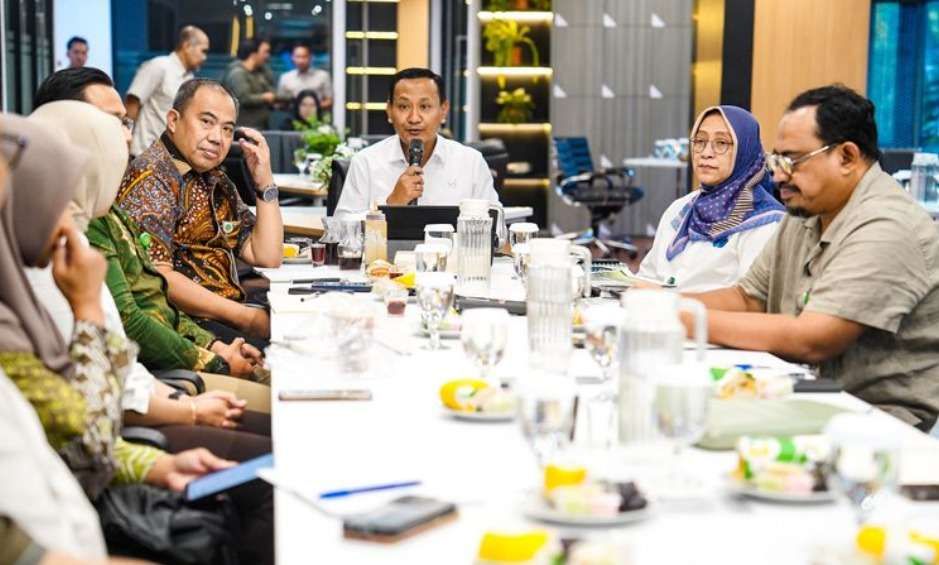
RRI.CO.ID, Jakarta - The Ministry of Forestry is strengthening synergy with the Indonesian Farmers' Harmony Association (HKTI) in developing Social Forestry as one of the strategic instruments to support national food self-sufficiency and improve the welfare of forest farmers.
This strengthening of cooperation was discussed at the Detailed Meeting of the HKTI Forestry Working Program for 2025–2030, Thursday, 5 February 2026. It focused on community-based forest management thru downstreaming of Social Forestry products, strengthening forest farmer institutions, and developing regional flagship commodities.
Vice Minister of Forestry, Rohmat Marzuki, who is also the Deputy General Chairman of HKTI for Forestry, stated that Social Forestry plays a strategic role in supporting the national development agenda, including Asta Cita and the 2025–2029 National Medium-Term Development Plan.
"The Forestry sector of HKTI serves as a platform for us (Ministry of Forestry-HKTI) to jointly improve the welfare of farmers both inside and outside forest areas, and in efforts to support food self-sufficiency for national security and community welfare," the Vice Minister of Forestry, Rohmat stated.
He further stated that Social Forestry is not just a forestry program, but an instrument for people's economic development. Through the collaboration between the Ministry of Forestry and HKTI, they aim to ensure that forest farmers have fair management access, productive businesses, and tangible added value from forest products.
He further explained that the development of Social Forestry businesses is directed toward integrated upstream-downstream management of commodities, starting from the construction of village nurseries, improving the quality and quantity of production, processing the results, and marketing them in accordance with market and environmental standards.
"With this approach, we are fostering the emergence of local industries based on Social Forestry, creating new job opportunities in rural areas, increasing community income, and simultaneously contributing to Regional Original Revenue, taxes, and Non-Tax State Revenue," he said.
In the meeting, it was stated that currently 75 districts/cities have initiated the development of Integrated Area Development (IAD) based on Social Forestry, which demonstrates the significant potential for economic development of forest communities in various regions of Indonesia.
News Recomendation
Loading latest news.....