



Nutrition Agency: Schools Free to Opt Out of Free Nutritious Meal Program
- 26 Jan 2026 12:12 WIB
- Voice of Indonesia
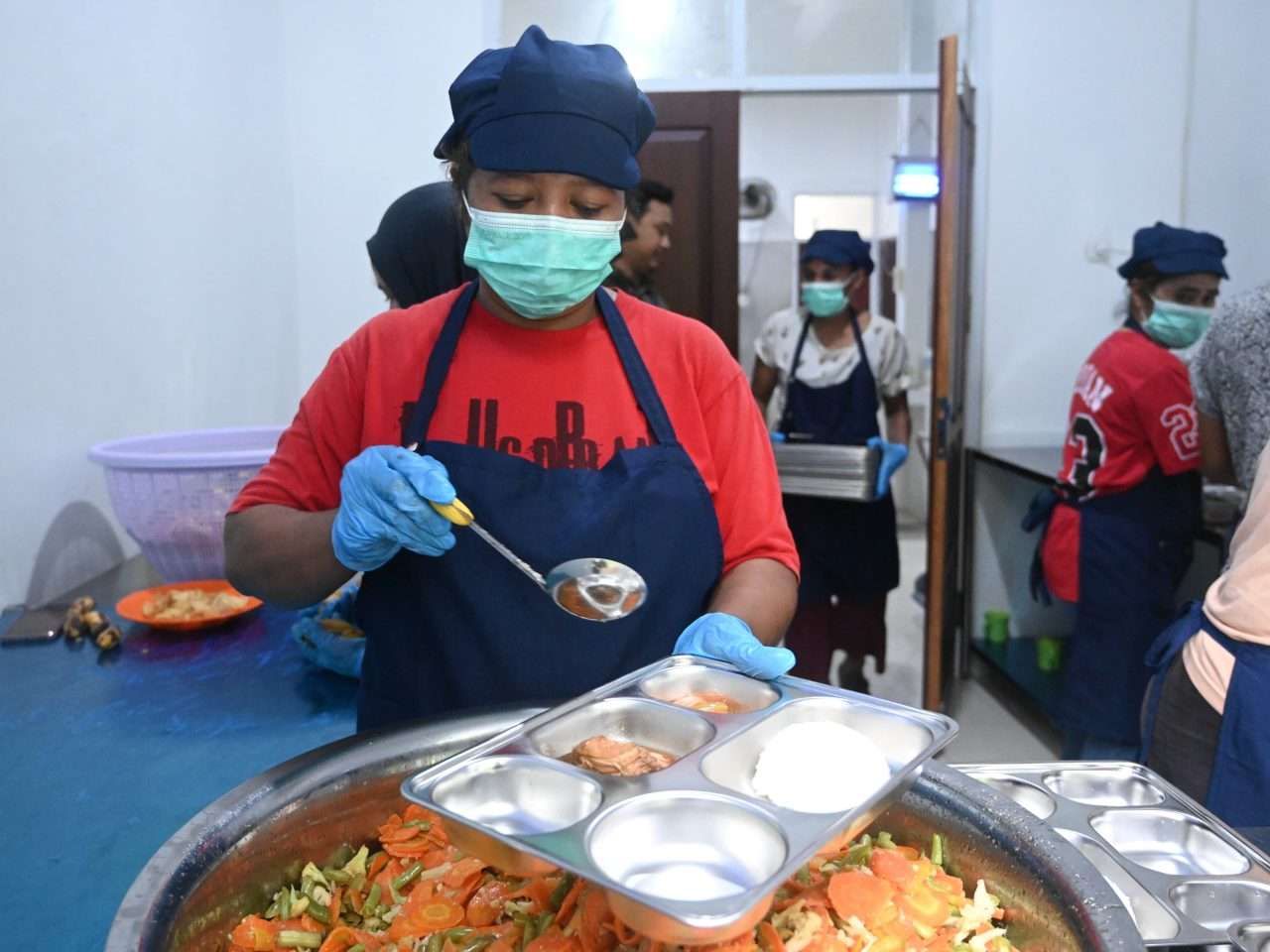
RRI.CO.ID, Jakarta - The National Nutrition Agency (BGN) has moved to clarify concerns about the Free Nutritious Meal (MBG) program, stressing that schools are not required to participate while simultaneously tightening food safety standards during distribution.
Responding to reports of resistance from several elite schools in Banyuwangi, East Java, BGN Deputy for Public Communication and Investigation Nanik Sudaryati Deyang said the government would not compel participation.
She explained that schools serving affluent families, which are already able to meet their students’ nutritional needs, may opt out without being considered unsupportive of government initiatives.
“The heads of the Nutrition Fulfillment Service Units (SPPG) must not force students. If there are schools that refuse MBG because their students come from wealthy families, that is acceptable,” Nanik said in Jakarta on Monday, January 26, 2026, as quoted by Antara.
Instead of focusing on quotas, she urged SPPG units to redirect resources to groups in greater need, such as small boarding schools (pesantren), street children, pregnant women, and breastfeeding mothers. “Many people have not yet received MBG even though they desperately need it,” she added, underscoring the agency’s priority of reaching vulnerable populations.
To prevent food safety incidents such as poisoning or spoilage, BGN has introduced a mandatory legal framework for meal distribution. SPPG heads are now required to sign written agreements with school principals that set strict consumption timelines. These agreements ensure shared responsibility between the agency and schools in monitoring when and where meals are consumed.
Nanik explained that each meal container must carry a clear “best before” label indicating the final safe hour for consumption. Meals must be eaten promptly upon arrival and cannot be taken home, as off-campus storage conditions cannot be guaranteed.
“You make an agreement with the school that, first, the food must be consumed when it arrives at seven o’clock, with the last consumption time according to the label, and second, it cannot be taken home. God willing, if this is implemented, it will reduce the risks,” she said during a briefing to SPPG heads.
She emphasized that punctuality in delivery and monitoring consumption are joint responsibilities. “The head of the SPPG must be punctual in distributing MBG meals to schools, while the schools must also monitor the distribution, timing, and location of consumption,” she explained.
Nanik also reminded schools to continuously announce consumption guidelines both verbally and in writing, with notices posted on school premises and labels attached to meal containers. “Labels should indicate the recommended time for consumption, and labeling tools are inexpensive,” she noted.
Addressing complaints from SPPG officials in Banyuwangi who have struggled to increase the number of MBG recipients due to refusals from elite schools, Nanik reiterated that participation is voluntary. “There must be no coercion or intimidation from SPPG or any institution suggesting that schools refusing MBG are undermining government programs,” she said.
She added that if elite schools are already able to provide adequate nutrition for their students, their decision not to accept MBG is not a problem. “For SPPG heads, we at BGN emphasize that there is no element of coercion whatsoever,” she said.
Nanik encouraged SPPG officials to expand outreach to those most in need, including small pesantren, out-of-school children, street children, pregnant women, breastfeeding mothers, and toddlers. “There are still many who have not received MBG, even though they are in urgent need,” she concluded. ***
News Recomendation
Loading latest news.....