


Indonesia Seeks UNESCO Recognition to Boost Tempeh MSME Economy
- 19 Des 2025 19:37 WIB
- Voice of Indonesia
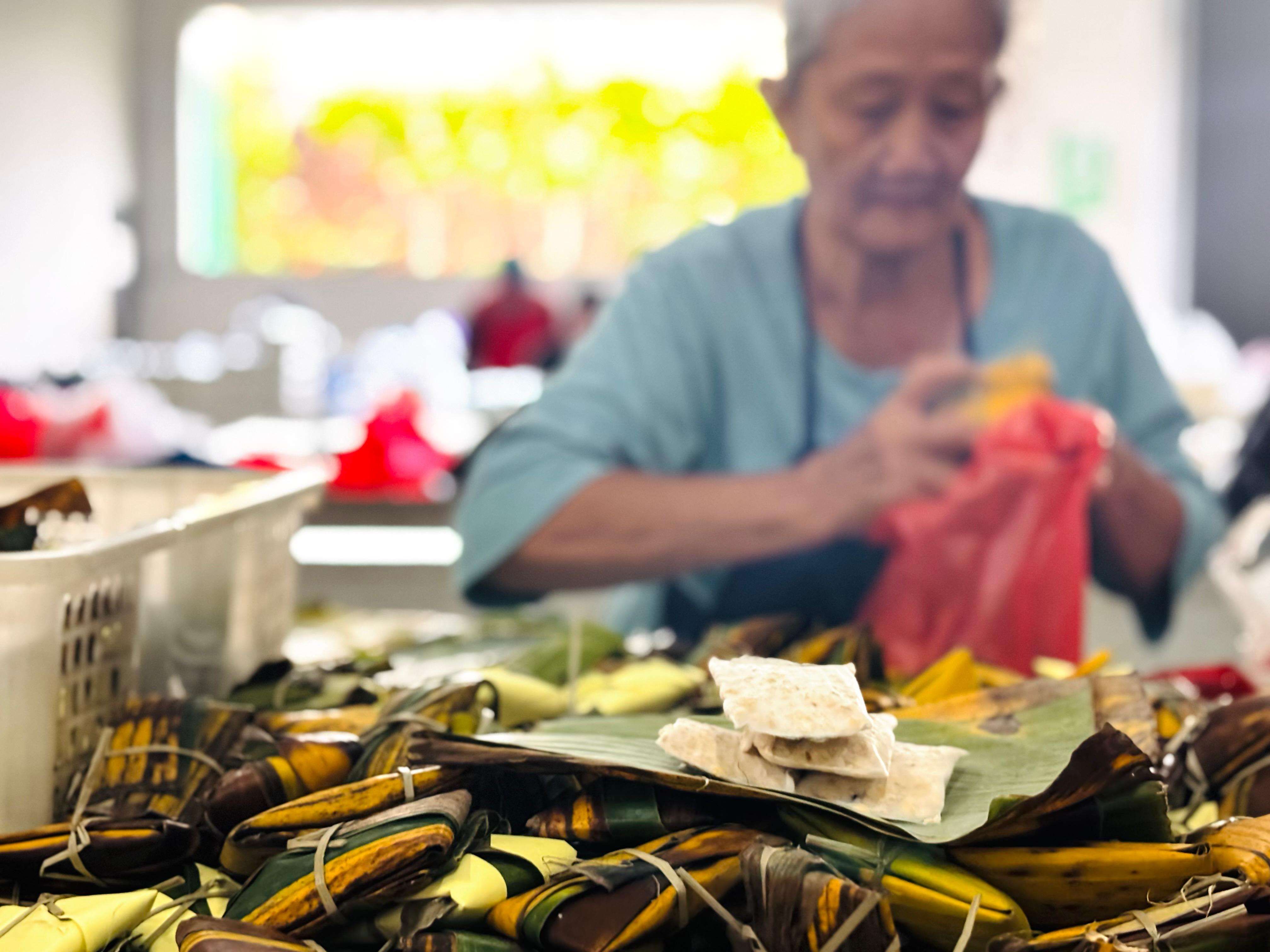
KBRN, Jakarta: Indonesian Deputy Minister of Culture Giring Ganesha Djumaryo stated that global recognition of tempeh as Indonesia’s local food could have an impact on the micro, small, and medium enterprises (MSME's) ecosystem, helping it to move up to the next level.
"I want to say that if this becomes an intangible cultural heritage, the impact the economic impact on MSMEs will definitely be extraordinary," Giring said during a cultural seminar in Jakarta on Friday, December 19, 2025, as quoted by Antara.
He noted that tempeh has a great opportunity to boost MSME income due to the rising global trend of healthy eating and plant-based lifestyles.
Giring suggested that tempeh, as a cultural heritage expressing strong local wisdom, should be introduced through modern culinary modifications. He proposed innovative ideas such as tempeh sticks or burger fillings to increase the food's market value beyond being a simple side dish served with rice and chili.
"I happened to see that several American companies have now started making tempeh burgers. So, tempeh can be processed into so many things," Giring remarked.
He added that official recognition would strengthen the ecosystem and community support needed to promote this local food on a wider global scale.
The Deputy Minister cited batik as a successful example of an Indonesian identity recognized worldwide due to its thriving ecosystem of modern fashion. He believes the tempeh ecosystem must follow this sustainable path, highlighting communities like Beji Village, Junrejo Subdistrict, Batu City, East Java, which produces seven tons of diverse tempeh products daily.
To preserve this legacy, the Ministry of Culture is actively fighting for tempeh to be inscribed on the UNESCO Intangible Cultural Heritage list. The official nomination was submitted on March 31, 2025, alongside Mak Yong Theater and the Jaranan performing arts and rituals.
Giring expressed belief that tempeh has met all the necessary criteria for selection and hopes to receive UNESCO recognition as early as next year. This achievement would mark a perfect moment for cultural diplomacy within the gastronomy sector while creating new jobs and boosting the economy.
"So, this is an extraordinary moment to introduce Indonesia's healthy culture and also to make Indonesia level up again on the world stage for its gastronomy," he added.
The government is currently positioning tempeh as a cultural heritage with high historical, social, and ecological value.
Historically, tempeh is deeply rooted in 17th-century Javanese culture, particularly within the Matraman regions of Yogyakarta and Surakarta. The oldest record of tempeh is found in the Serat Centhini, a classic Javanese literary manuscript that describes it as a staple daily food for the community.
Originating from simple agrarian practices and natural fermentation, tempeh has evolved from a local folk dish into a culinary icon recognized across Indonesia and abroad. In a cultural context, it reflects local wisdom through traditional household production methods that embody the values of mutual cooperation and a harmonious relationship with nature. ***
News Recomendation
Loading latest news.....