



Ministry-Roche Partner to Strengthen Health Financing System
- 17 Nov 2025 12:35 WIB
- Voice of Indonesia
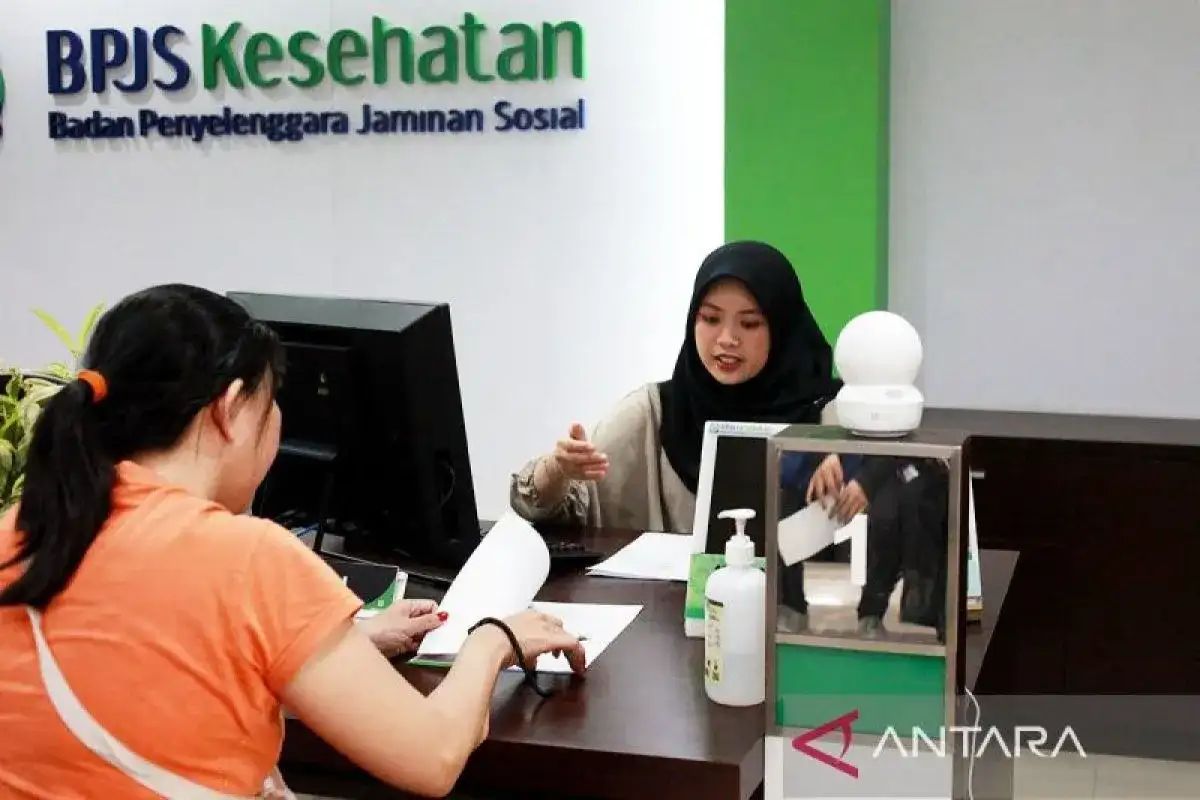
KBRN, Jakarta: The Indonesian Ministry of Health has signed a strategic cooperation agreement with Roche Indonesia, a pharmaceutical company, aimed at bolstering the national health payment system to ensure more efficient and sustainable services. This collaboration marks a significant step toward building a collaborative health financing ecosystem in Indonesia.
Sanaa Sayagh, President Director of Roche Indonesia, expressed honor in partnering with the Ministry of Health on this critical initiative. “We are dedicated to supporting the government’s vision for a stronger national health financing system,” Sayagh said in a press statement received on Monday, November 17, 2025, as quoted by Antara.
Sayagh highlighted that the agreement, which focuses on innovative Coordination of Benefits (CoB) between public and private providers, is a concrete action to ensure that patients in Indonesia receive smooth and sustainable access to the healthcare services they require.
Echoing this view, Lee Poh Seng, Director of Roche Indonesia’s Diagnostics Division, emphasized the role of diagnostics in enhancing financial efficiency.
“As a trusted partner in health transformation, we view diagnostics as the foundation of an effective system. Early detection is key to achieving better treatment outcomes while reducing the long-term financial burden,” Lee Poh Seng said.
He explained that in the context of CoB, accurate diagnosis shifts care from reactive to proactive prevention, thereby reducing unnecessary costs for both BPJS Kesehatan (National Health Insurance) and private insurers.
A primary focus of this partnership is the implementation of CoB, a mechanism used when a patient holds more than one health insurance policy. Through CoB, the payment responsibilities of each insurance company are clearly defined, with one policy designated as the primary payer and the other as the secondary payer.
This system ensures that claim payments do not exceed 100 percent of the medical bill, preventing claim duplication and overpayment.
In Indonesia, Law No.40 of 2004 on the National Social Security System (SJSN) and its derivative regulations already govern the management of coverage between the mandatory National Health Insurance (JKN), organized by Social Security Agency for Health (BPJS Kesehatan), and private Supplementary Health Insurance (AKT). The main opportunity lies in expanding coverage options for the public and fostering a market for innovative insurance products.
However, challenges persist in ensuring active participation and coverage, aligning payment systems, strengthening coordination between payers, and preventing instances of double coverage.
Minister of Health Budi Gunadi Sadikin emphasized the broader context of the partnership.
“The pillar of fair, effective, efficient, and sustainable health financing is one of our health transformation agendas. The government cannot build this system alone. Public-private partnership is needed to strengthen our health system for the benefit of all Indonesian people,” said Minister Budi.
He added that the Ministry's target is to increase the portion of health spending covered by insurance to 90 percent, arguing that insurance is the only instrument that can 'spread the risk' across the population and over time, thus minimizing the risk of financial hardship faced by the public. ***
News Recomendation
Loading latest news.....