


Indonesia Pushes for Island-Based Self-Sufficiency, Agricultural-Downstreaming
- 10 Okt 2025 06:56 WIB
- Voice of Indonesia
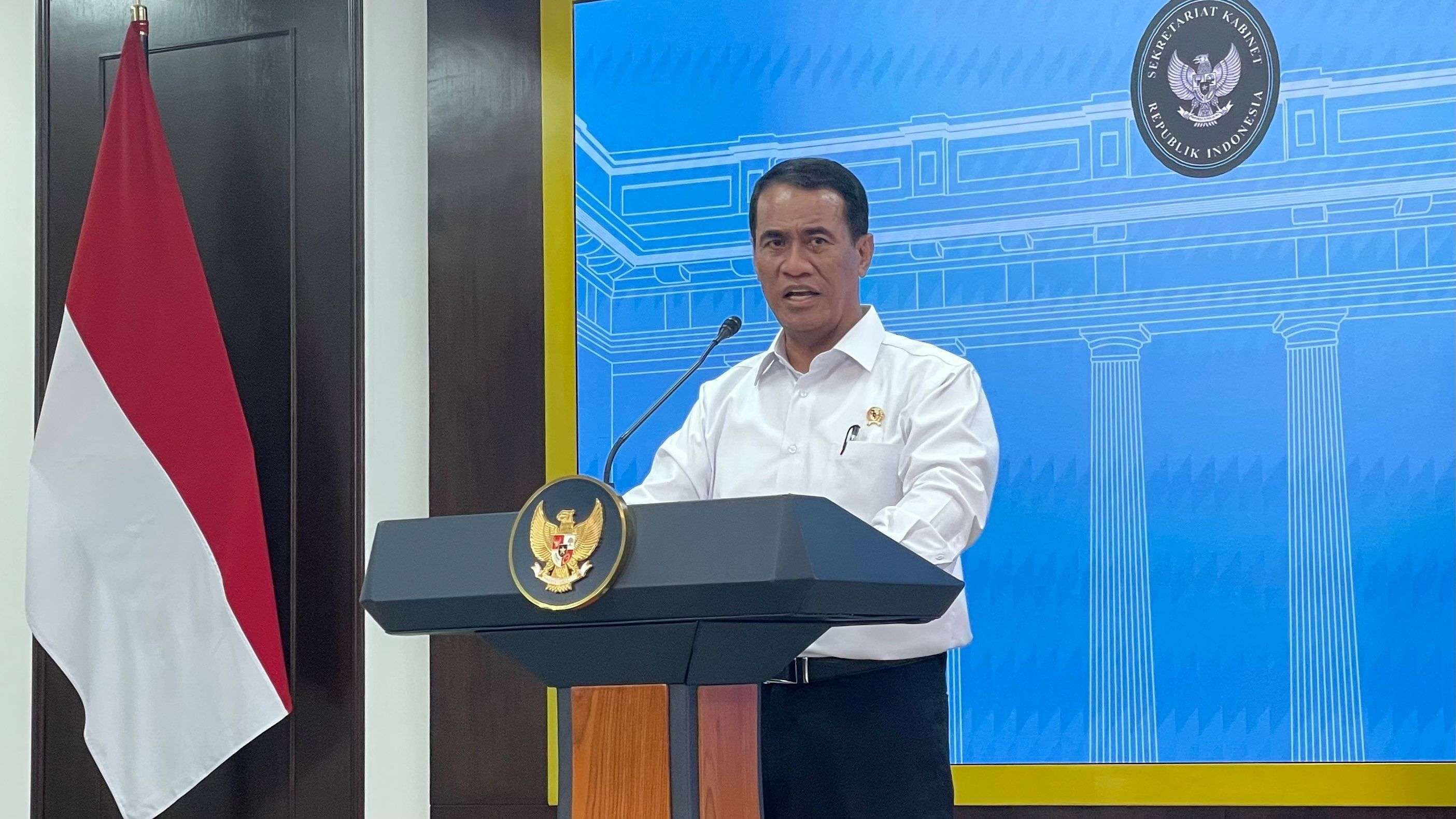
KBRN, Jakarta: Indonesia is launching a dual-pronged strategy to fortify its economy and food security by pushing for food and energy self-sufficiency across every island in the Archipelago and aggressively promoting agricultural downstreaming,
The initiative, aimed at reducing inter-island dependency and lowering transport costs, is seen as critical to safeguarding the economic stability of local communities.
“We must achieve food and energy independence on every island to eliminate costly reliance between regions,” Indonesian Minister of Agriculture Andi Amran Sulaiman said following a closed-door meeting with President Prabowo Subianto at the Presidential Palace in Jakarta on Thursday, October 9, 2025, as quoted by rri.co.id.
To support energy autonomy, the government is promoting bioethanol production from local crops such as cassava. Minister Amran emphasized Indonesia’s favorable agro-climatic conditions as a key asset in scaling up food-based energy solutions.
President Prabowo has reportedly instructed ministries to optimize local food resilience, starting with mass cassava cultivation. “Our country is vast, with an agro-climate ideal for food crops and horticulture. We’ve been tasked to plant cassava and other energy-yielding crops domestically,” Amran stated.
On the food front, Indonesia’s rice production has surpassed expectations. As of October, output reached 33.1 million tons, with projections hitting 34 million tons by year-end. Minister Amran expressed optimism that Indonesia could cease rice imports within three months, achieving full self-sufficiency.
Despite rising reserves, rice prices have climbed beyond the government’s highest retail price (HET), creating market anomalies. Data from the Central Statistics Agency confirms the upward trend, prompting further scrutiny of distribution and pricing mechanisms.
In parallel, the government is accelerating downstream processing of key agricultural commodities to boost economic value and job creation. Minister Amran highlighted coconut as a prime example, estimating that converting raw coconuts into value-added products like virgin coconut oil (VCO) could generate up to IDR 2,400 trillion (USD 144.7 billion) in revenue.
“We won’t export raw coconuts anymore. Through downstreaming, we can multiply their value a hundredfold,” Minister Amran said during a press briefing at the Presidential Office.
Indonesia’s dominance in gambir supply, accounting for 80 percent of global demand, also positions the country for strategic downstreaming. Derivative products from gambir can be used in election ink and household goods, offering new industrial opportunities.
Palm oil remains another focus, with its derivatives such as biofuel, cooking oil, and margarine providing substantial added value. The government’s ongoing downstreaming efforts align with President Prabowo’s vision for national food security and inclusive economic growth.
“This is our big dream: to create jobs, reduce poverty, and improve welfare through continuous downstreaming,” Amran concluded. ***
News Recomendation
Loading latest news.....