



Govt Prepares Regulation to Strengthen Indonesian Language Proficiency
- 03 Okt 2025 09:35 WIB
- Voice of Indonesia
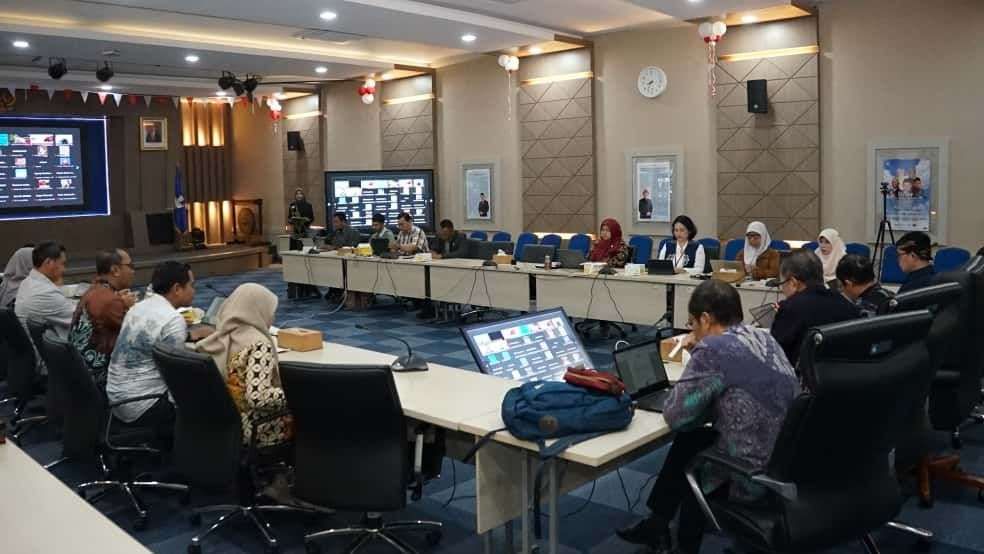
KBRN, Jakarta: The Indonesian Ministry of Elementary and Secondary Education's Language Development and Fostering Agency has launched a public consultation on a draft ministerial regulation concerning the Indonesian Language Proficiency Standards. This initiative aims to strengthen national language development.
Hafidz Muksin, Head of the Language Development and Fostering Agency, emphasized the importance of measuring Indonesian language proficiency across society. He noted that such efforts are key to improving the nation’s overall literacy quality.
According to Hafidz, literacy goes beyond basic skills like reading, writing, and arithmetic. It also includes deeper competencies such as understanding meaning, reasoning, and critical thinking.
“Through language proficiency testing, these abilities can be assessed more objectively and serve as a benchmark for national literacy,” Hafidz said on Thursday, October 2, 2025. He added that Indonesian has gained international recognition, now serving as an official language at the UNESCO General Assembly and being taught in 57 countries.
Given this achievement, Hafidz stressed the need for stronger domestic regulations to support it. “We should be proud. Indonesian has become a major global language,” he said.
Since its launch on January 29, 2021, the Adaptive Indonesian Language Proficiency Test (UKBI) has become the only official tool for assessing Indonesian language skills. It offers flexibility in terms of time and location, and is accessible to students, university learners, educators, and professionals.
To date, 1,173,008 participants from both within and outside Indonesia have taken the UKBI. The Indonesian Language Proficiency Standards are built on three core principles: adaptability, credibility, and inclusivity.
These principles position UKBI as a reliable reference for measuring language proficiency, fostering pride in the Indonesian language, advancing its development, and maintaining its quality of use.
This public consultation involves education evaluation experts. Constructive input from participants is expected to help shape a regulation that is comprehensive, practical, and aligned with the needs of both the education sector and the workforce. (Naura Sofia/Sri Wahyuni)
News Recomendation
Loading latest news.....