


Saving Jakarta: How the Giant Sea Wall Could Change the City’s Future
- 26 Feb 2025 14:15 WIB
- Voice of Indonesia
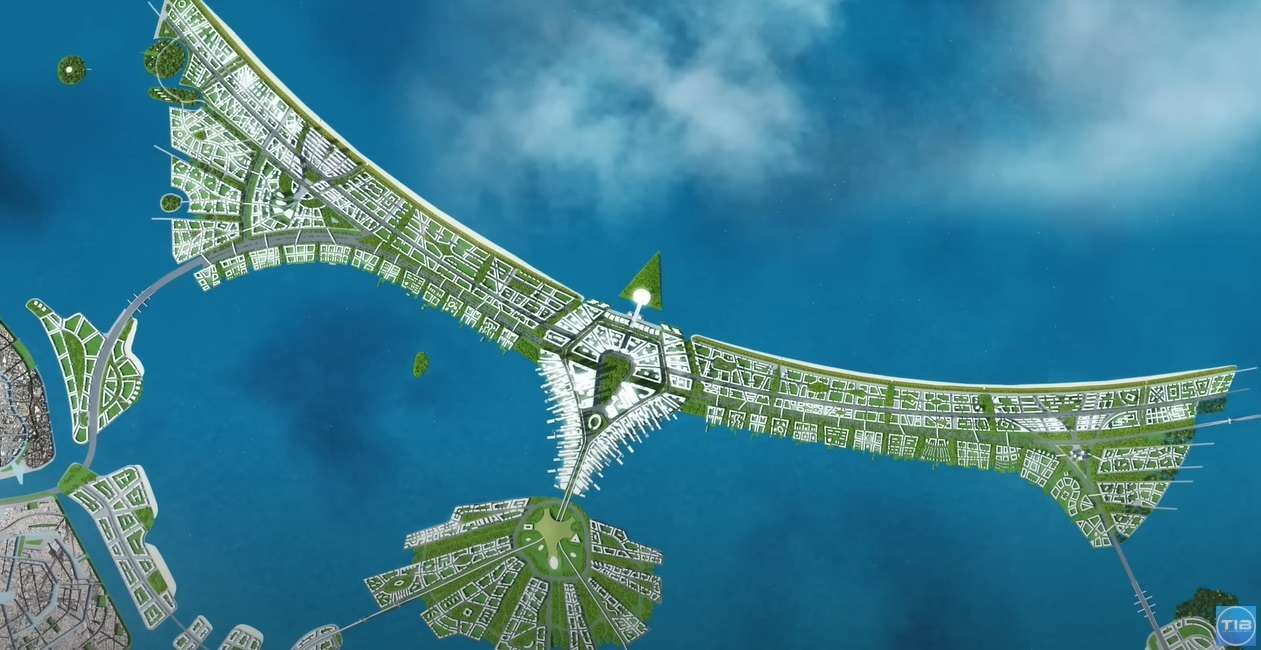
KBRN, Jakarta: Indonesia's bustling capital, is not only renowned for its vibrant culture and dynamic economy but also for its unique geographical challenges. One of the most ambitious projects undertaken to address these challenges is the Giant Sea Wall Jakarta, a massive coastal development initiative aimed at safeguarding the city from persistent flooding and land subsidence.
According to various sources, the idea of constructing a protective barrier along Jakarta's coastline emerged in response to the city's chronic flooding issues. In 2007, catastrophic floods resulted in 76 fatalities and displaced over half a million residents. This disaster underscored the urgent need for a comprehensive solution to Jakarta's vulnerability to both riverine and coastal inundations.
Jakarta's topography contributes significantly to its flooding woes. Situated on a low-lying plain averaging about 7 meters above sea level, approximately 40% of the city, particularly the northern regions, lies below sea level. This makes these areas especially susceptible to tidal flooding and storm surges.
Compounding the problem is the alarming rate at which Jakarta is sinking. Due to excessive groundwater extraction and the immense weight of urban infrastructure, certain parts of the city are subsiding by 5 to 10 centimeters annually, with some areas experiencing up to 20 centimeters of subsidence each year. Projections indicate that, if unmitigated, large portions of Jakarta could be submerged by 2050.
To combat these threats, the National Capital Integrated Coastal Development (NCICD) master plan was conceived. Central to this plan is the construction of a colossal sea wall in Jakarta Bay, designed not only as a defensive barrier against the sea but also as a catalyst for urban revitalization. The wall's design is inspired by the Garuda, Indonesia's national emblem, symbolizing strength and resilience.
Beyond flood protection, the Giant Sea Wall project encompasses the creation of vast lagoons to manage the outflow from Jakarta's 13 rivers. These lagoons will function as reservoirs, controlling water discharge and preventing overflow during heavy rains. Additionally, the reclaimed land is slated for the development of new urban areas, including residential zones, commercial centers, and green spaces, aiming to alleviate the city's congestion and provide modern amenities.
The project's scale is monumental, with an estimated length of 32 kilometers stretching from Tangerang in the west to Jakarta's Tanjung Priok Harbor in the east. The financial commitment is equally substantial, with costs projected around USD 40 billion. This investment reflects the project's multifaceted objectives: flood mitigation, urban expansion, and economic stimulation.
However, the Giant Sea Wall has not been without controversy. Environmentalists express concerns about potential ecological impacts, such as the disruption of marine habitats and changes in coastal dynamics. Social implications, including the displacement of local communities and effects on traditional fishing livelihoods, have also sparked debates. Balancing infrastructural development with environmental preservation and social equity remains a critical challenge for policymakers.
Despite these challenges, the project has garnered international collaboration, notably between Indonesia and the Netherlands. Dutch expertise in water management has been instrumental in shaping the project's design and implementation strategies, drawing parallels to the Netherlands' own experiences with sea defenses.
As of recent updates, the project continues to evolve, with studies and assessments underway to refine its scope and address emerging concerns. The Indonesian government remains committed to advancing the Giant Sea Wall as a cornerstone of Jakarta's long-term resilience strategy.
In essence, the Giant Sea Wall Jakarta stands as a testament to human ingenuity and determination in the face of environmental adversity. It embodies a bold vision to transform a city at risk into a model of sustainable urban living, harmonizing the needs of its populace with the imperatives of nature.
News Recomendation
Loading latest news.....