


Feeding Stray Cats: An Act of Compassion or an Environmental Concern?
- 06 Apr 2026 10:21 WIB
- Voice of Indonesia
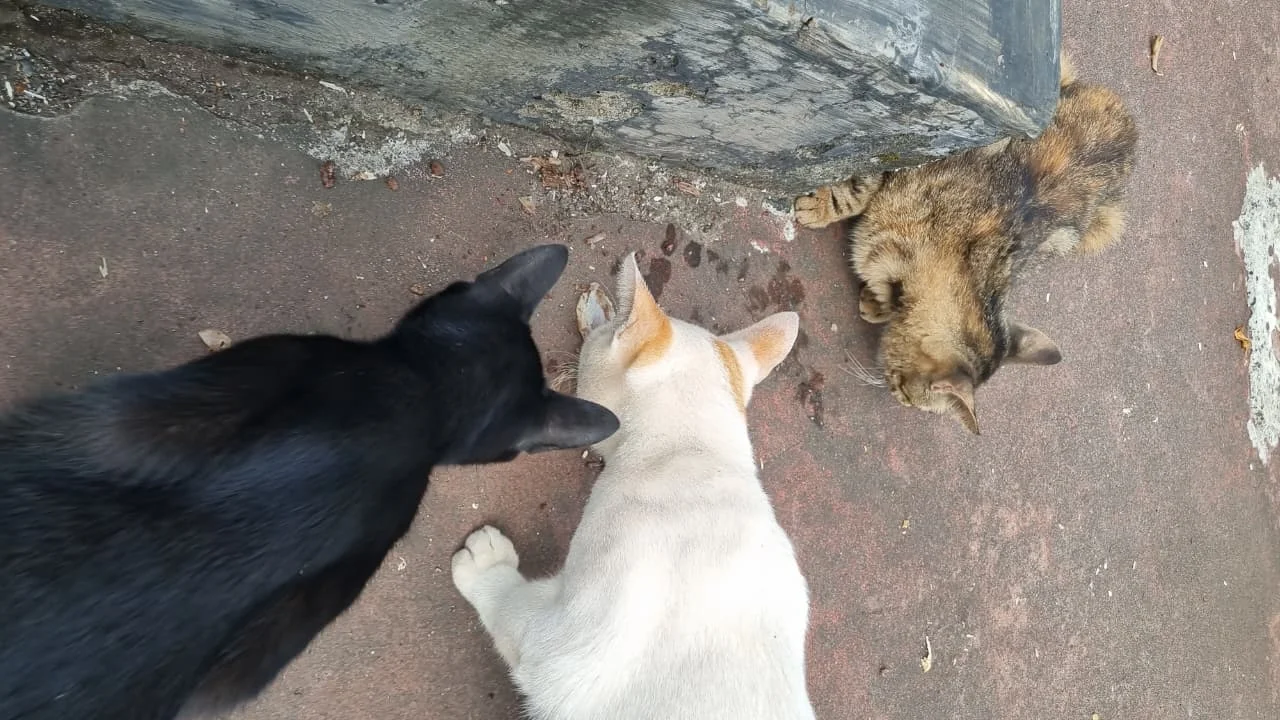
RRI.CO.ID, Jakarta - The practice of feeding stray cats, commonly known as stray cat feeding, has become increasingly widespread in many cities across Indonesia. This activity is often carried out by animal lovers and concerned individuals who feel empathy for the condition of street cats. However, behind this good intention, debates have emerged regarding its impact on the environment and society.
On one hand, feeding stray cats is seen as a genuine act of compassion toward animal welfare. It helps cats survive in urban areas where natural food sources are limited. Moreover, this activity is believed to foster social empathy and provide psychological benefits for those involved.
Several communities have even organized street feeding activities in a structured manner, including setting feeding schedules and collecting public donations. According to animal welfare advocates, proper feeding can support the health of stray cats, as long as it takes into account nutritional quality and environmental cleanliness.
However, experts warn that uncontrolled feeding practices may lead to serious consequences. Without being accompanied by sterilization programs, regular feeding can increase the reproductive rate of stray cats, potentially leading to overpopulation in certain areas.
From a health perspective, veterinarians highlight the risk of disease transmission among cats that gather at feeding points. Shared feeding containers and close interactions between cats can accelerate the spread of diseases, especially without proper vaccination and health monitoring.
In addition, environmental observers argue that the growing population of stray cats may disrupt ecosystem balance. By nature, cats continue to hunt even when well-fed, posing a threat to small wildlife such as birds and reptiles in urban environments.
As a solution, experts recommend a more comprehensive approach, including trap-neuter-return (TNR) programs, vaccination, and public education on responsible feeding practices. Through these measures, compassion for stray cats can be maintained without creating broader negative impacts on the environment and society.
News Recomendation
Loading latest news.....