



Sebujang Gayo, Timeless Sarong Trend Defined by Honor and High Altitudes
- 18 Mar 2026 10:40 WIB
- Voice of Indonesia
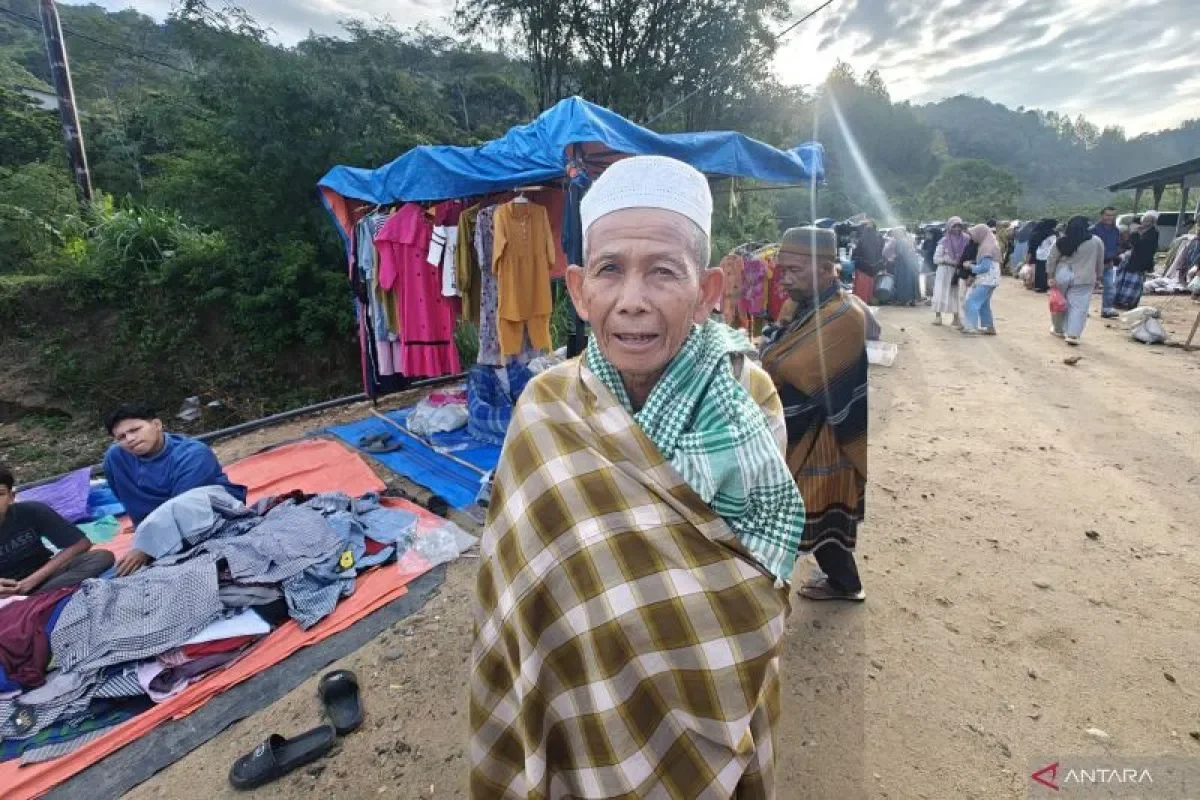
RRI.CO.ID, Blangkejeren - In the highlands of Gayo Lues, Aceh, the simple act of wearing a sarong has evolved into a stylish cultural statement known as Sebujang Gayo. Far more than just a layer against the mountain chill, this trend represents a deep-rooted blend of modesty, religious identity, and ancestral respect that remains vibrant among the local men.
The resurgence of this traditional attire was prominently visible during the Lebaran Bazaar held in Agusen Village on Wednesday, March 18, 2026. For the residents of Agusen, a village nestled 1,089 meters above sea level within the Leuser ecosystem, the sarong is an indispensable companion against the thinning, cold air.
Head of Agusen Village, Ramadhan explained that while the weather dictates the necessity of the garment, the culture dictates its significance. Even when paired with heavy modern jackets, the sarong remains the centerpiece of the Gayo male identity.
“Because the weather is cold, we wear sarongs. That has become the habit,” Ramadhan noted during the bazaar of Eid al-Fitr in his village, as quoted by Antara.
He further clarified that Sebujang Gayo refers to a specific way of dressing that prioritizes politeness and honor toward others. In the eyes of the community, the sarong is a symbol of aurat (modesty), reflecting both the wearer’s religious devotion and their social standing.
Hamidi, a local community leader, reinforced this sentiment, saying that for men who have reached adulthood or are married, maintaining this standard of dress is seen almost as a cultural obligation.
“This dressing habit continues to be maintained until now as part of the cultural identity of the Gayo Lues people,” he said while donning a newly purchased sarong.
The Eid al-Fitr Bazaar itself serves as a milestone for the region’s recovery. Following the devastating flash floods and landslides of November 2025, which impacted all 279 families in Agusen, the return of the weekly market signifies a restoration of normalcy.
Access roads and bridges that were once buried under debris have finally been cleared, allowing vendors to return with holiday essentials.
For the survivors, including 155 families currently living in temporary shelters (huntara), the bazaar is a place to find comfort and tradition. Alongside festive cookies and prayer caps, the sarong trousers and traditional cloths are the most sought-after items as the community prepares for Eid al-Fitr 1447 Hijriah.
Whether they are living in newly built shelters or repairing their original homes using salvaged flood materials, the men of Gayo Lues continue to wrap themselves in their heritage. Through the Sebujang Gayo trend, they carry a sense of dignity that no disaster can wash away. ***
News Recomendation
Loading latest news.....