



Lunar New Year Celebrations Reflect Indonesia’s Cultural Pluralism
- 15 Feb 2026 10:23 WIB
- Voice of Indonesia
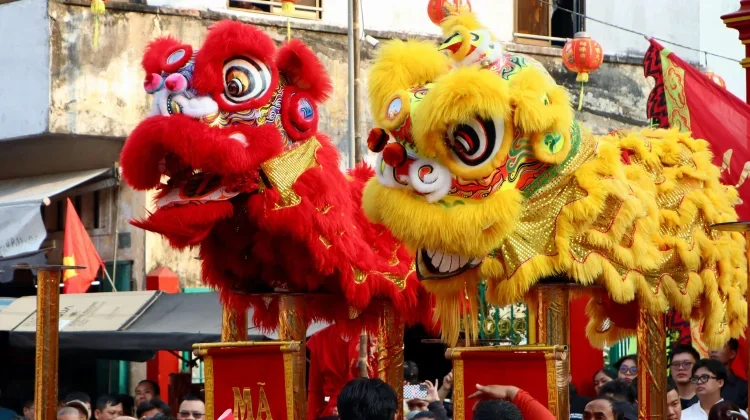
RRI.CO.ID, Jakarta - Lunar New Year has long been part of Indonesia’s cultural heritage, reflecting the deep historical roots of the Chinese community in the Archipelago. The tradition dates back to the arrival of Chinese traders between the 4th and 7th centuries.
According to Indonesia Expat, during the Dutch colonial era, Chinese communities continued to celebrate Lunar New Year, or Imlek as it is popularly called, within their settlements while adapting to local culture. Social interactions between Chinese and indigenous groups fostered cultural acculturation, influencing art, music, and cuisine.
Early Chinese migrants to the Indonesian islands, particularly Java, were not only merchants but also writers, artists, and musicians. Their presence sparked cultural exchanges that produced notable works in literature, shadow puppetry, and music.
Chinese Javanese literary works from the late 19th to early 20th century are preserved today in libraries across Depok, Jakarta, Solo, Yogyakarta, Leiden, and Berlin.
During Indonesia’s early independence period, Lunar New Year was recognized as a holiday. However, restrictions imposed in 1967 limited celebrations to private homes, curbing public expression of Chinese cultural traditions.
During the New Order era, festivities were largely confined to private settings, with cultural symbols suppressed.
A turning point came after the 1998 reform movement, when President Abdurrahman Wahid lifted restrictions on Chinese cultural expression. This opened space for public celebrations and encouraged communities to showcase traditions more confidently.
Formal recognition of Lunar New Year as a national holiday in 2003 further cemented its place in Indonesia’s cultural calendar.
Since then, Lunar New Year has been celebrated not only by Chinese Indonesians but also embraced by wider society as a symbol of tolerance. Local adaptations are evident, such as cultural bazaars and collaborative performances blending Chinese traditions with Malay or other local elements.
Today, Lunar New Year embodies Indonesia’s cultural diversity, with non-Chinese communities joining in the festivities and appreciating its values as part of the nation’s pluralism. The celebration illustrates that culture is not static but dynamic, continually adapting within Indonesia’s social fabric. ***
The original copy of this article has been published by RRI Lifestyle News: Akulturasi Imlek di Indonesia dari Masa ke Masa
News Recomendation
Loading latest news.....