



Indonesia Opposes Geopolitical Pressure on Food Security at G20 TMM Session I
- 02 Okt 2026 16:10 WIB
- Voice of Indonesia
Key Points
- Indonesia strongly urged G20 nations to keep food security separate from geopolitical conflicts, warning against the weaponization of food through coercive trade actions.
- Indonesia advocated for a rule-based multilateral trading system and pushed for permanent solutions within the WTO, specifically Public Stockholding and the Special Safeguard Mechanism.
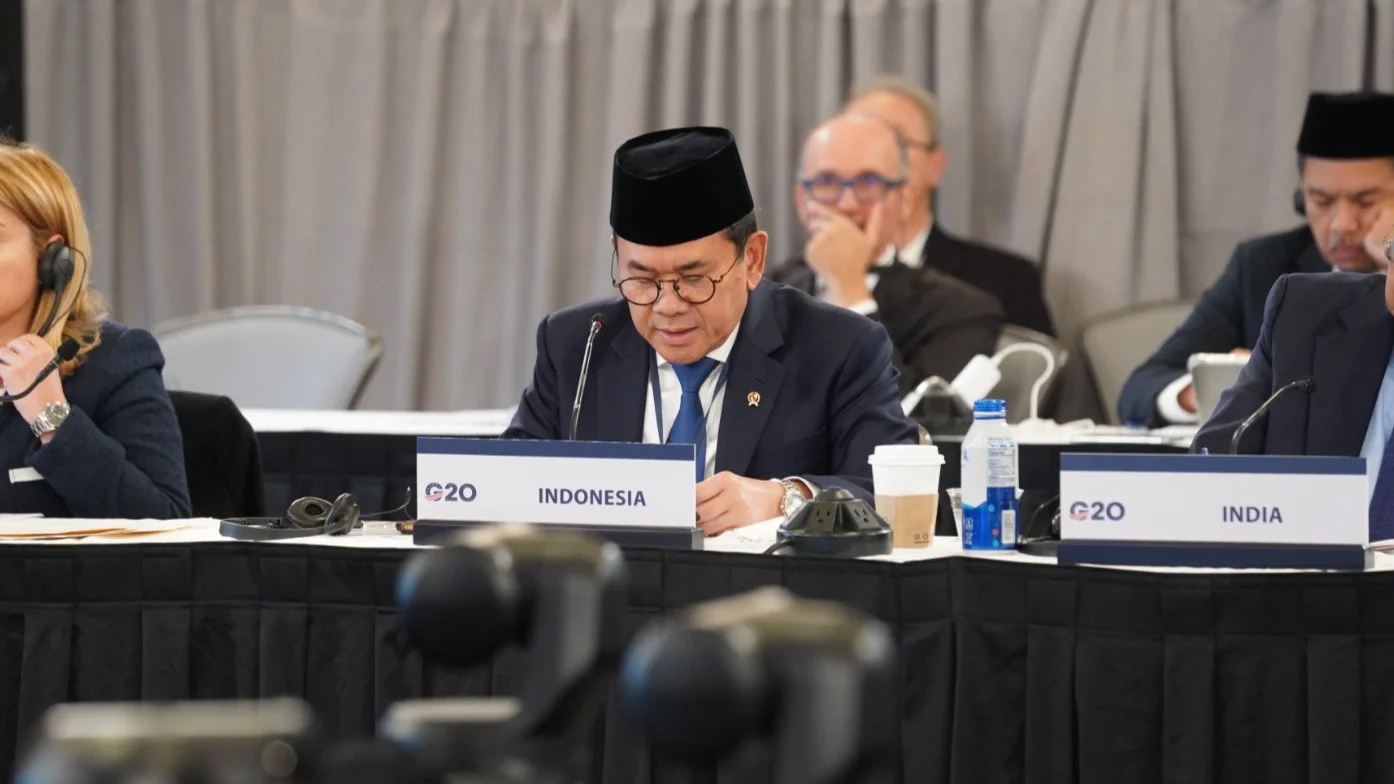
RRI.CO.ID, Milwaukee – Indonesian's Trade Minister, Budi Santoso, attended Session I of the G20 Trade Ministers' Meeting (TMM) on Wednesday, September 30, 2026, in Milwaukee, Wisconsin, United States. During the meeting, he urged joint action among G20 nations to strengthen food security and ensure sustainable food access for the global community.
The session centered on the theme "Weaponization of Food through Coercive Trade Actions". According to him, food security must be kept away from attempts to use it as an instrument of geopolitical pressure.
“Food commodities must serve as the foundation of human dignity. Food must never be used as an instrument of coercion. Our task is clear, to bridge differences, strengthen pragmatic cooperation, and ensure that food remains a bridge between nations,” he stated, as quoted from a written press release issued by the ministry on Thursday, October 1, 2026.
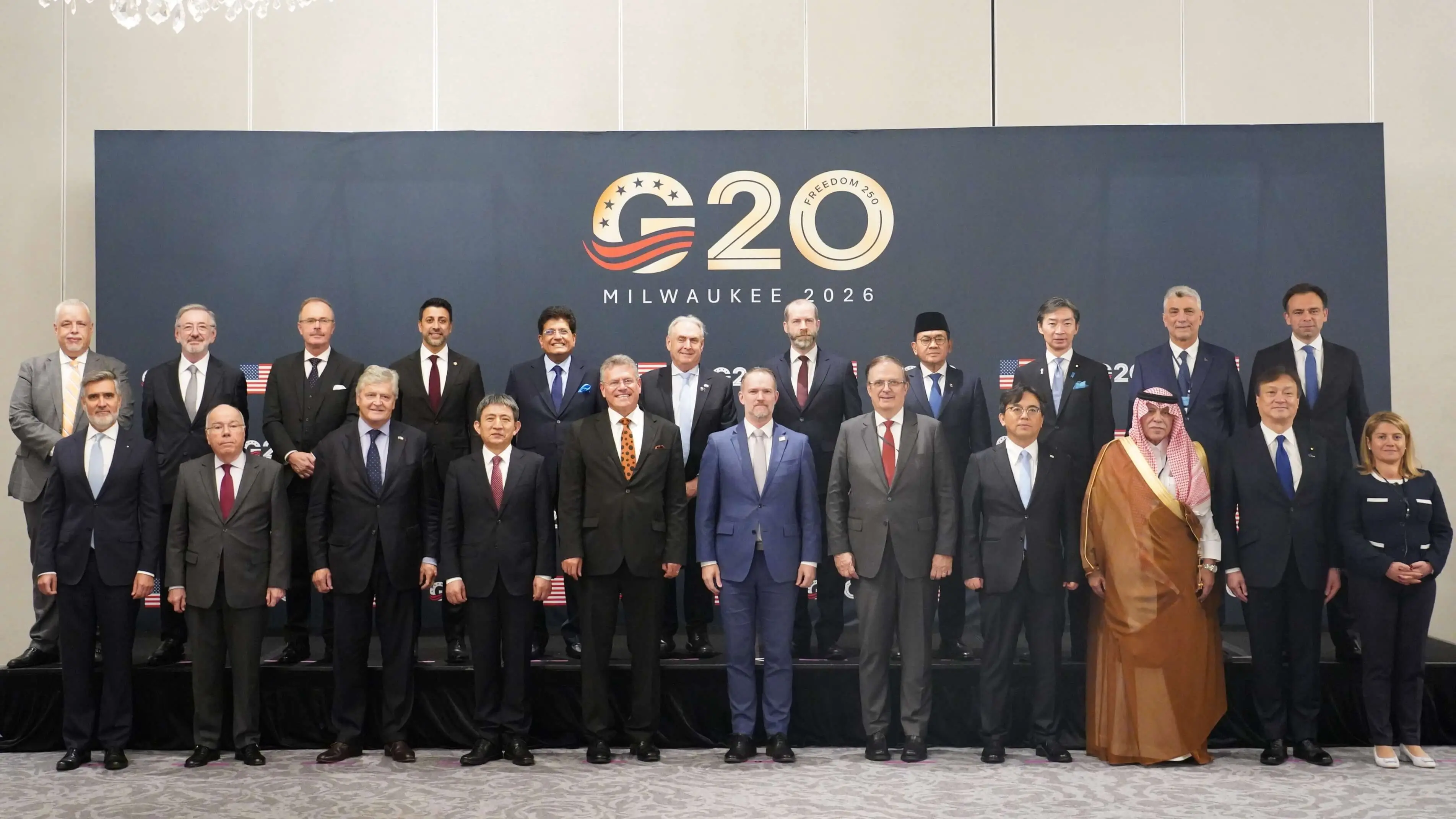
Furthermore, Budi affirmed that Indonesia believes an open, predictable, and rule-based multilateral trading system remains a vital foundation that must be upheld. To this end, Indonesia pushed for progress in agricultural negotiations within the World Trade Organization (WTO).
This includes finding a permanent solution regarding Public Stockholding to safeguard food security for vulnerable populations, as well as a Special Safeguard Mechanism for developing countries to cope with import surges. Both instruments are crucial to bridge food shortages while protecting small farmers from drastic price drops.
He also explained that food security relies on two pillars, which are predictable food access and resilient national food systems. Additionally, he said every nation holds the legitimate right to safeguard its food security and implement public policies for the welfare of its people.
“Every country has the legitimate right to safeguard food security and implement public policies that benefit its people. This right must be exercised responsibly,” he said.
News Recomendation
Loading latest news.....