



Nasaruddin: Indonesia a Model for Managing Diversity Internationally
- 15 Sep 2026 13:38 WIB
- Voice of Indonesia
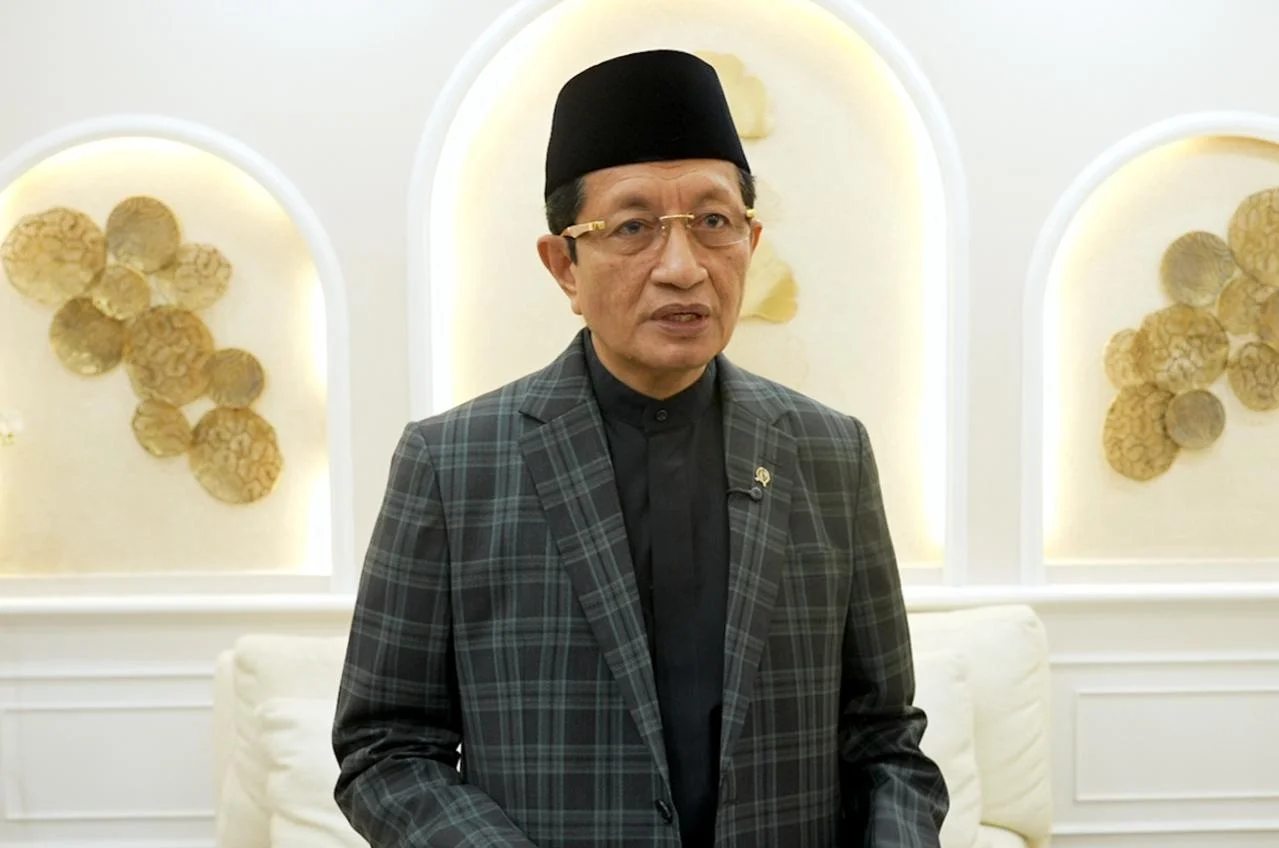
RRI.CO.ID, Jakarta – Religious Affairs Minister Nasaruddin Umar said Indonesia, home to the world’s largest Muslim population and a highly diverse society, can serve as a model for managing diversity in international forums. He made the statement in a speech delivered at The 39th Edition of the Annual International Conference on Biography and Support of the Prophet SAW, held in Nouakchott, Mauritania, under the theme “The Prophetic Guidance on Managing Diversity and Difference and Strengthening Common Grounds.” Nasaruddin said the values of Pancasila are in harmony with the principles of the Medina Charter in promoting tolerance and maintaining a pluralistic society.
“The Medina Charter is the first authentic evidence in the history of modern human civilization of how diversity of ethnicity, race, and religion can be managed under a shared framework of citizenship, where minority rights are protected, freedom of religion is respected, and a collective commitment to defending the homeland is upheld together,” Nasaruddin said in Jakarta on Monday, September 14, 2026.
According to him, Indonesia’s ethnic, linguistic, and religious diversity across more than 1,700 islands is not a threat to national unity, but rather a unifying strength reflected in the national motto Bhinneka Tunggal Ika, or Unity in Diversity. He said the key to maintaining Indonesia’s multicultural cohesion amid modernization and global challenges lies in aligning prophetic values with the country’s national consensus, namely Pancasila and the 1945 Constitution.
Nasaruddin outlined three points of convergence between prophetic values and Indonesia’s national consensus: social monotheism and humanity, the traditions of deliberation and consensus, and social justice. He said the principle of Belief in the One and Only God in Pancasila is in line with the spirit of tolerance in the Quran, including the principle of “La ikraha fiddin,” meaning there is no compulsion in religion.
Meanwhile, the principle of social justice for all Indonesians, Nasaruddin said, reflects the spirit of the Medina Charter, which places all members of society on an equal footing without discrimination based on majority or minority status.
“The principle of social justice for all Indonesians reflects the spirit of the Medina Charter, where there is no discrimination based on majority or minority status,” he said.
On the occasion, the Religious Affairs Minister also called on conference participants to strengthen humanitarian cooperation in addressing various global crises, including climate change, extreme poverty, food crises, and social injustice, as well as the suffering of the Palestinian people.
News Recomendation
Loading latest news.....