



Indonesia and Malaysia Agree to Optimize the Border Trade Agreement
- 04 Sep 2026 17:57 WIB
- Voice of Indonesia
Key Points
- Indonesia and Malaysia agreed to optimize the 2023 Border Trade Agreement (BTA) and Border Crossing Agreement (BCA), particularly in the Entikong–Tebedu border region.
- Beyond border trade, the 4th JTIC meeting expanded bilateral cooperation into e-commerce, the halal industry, agricultural market access, and private sector investments—supported by a strong trade growth of 21.01% in early 2026.
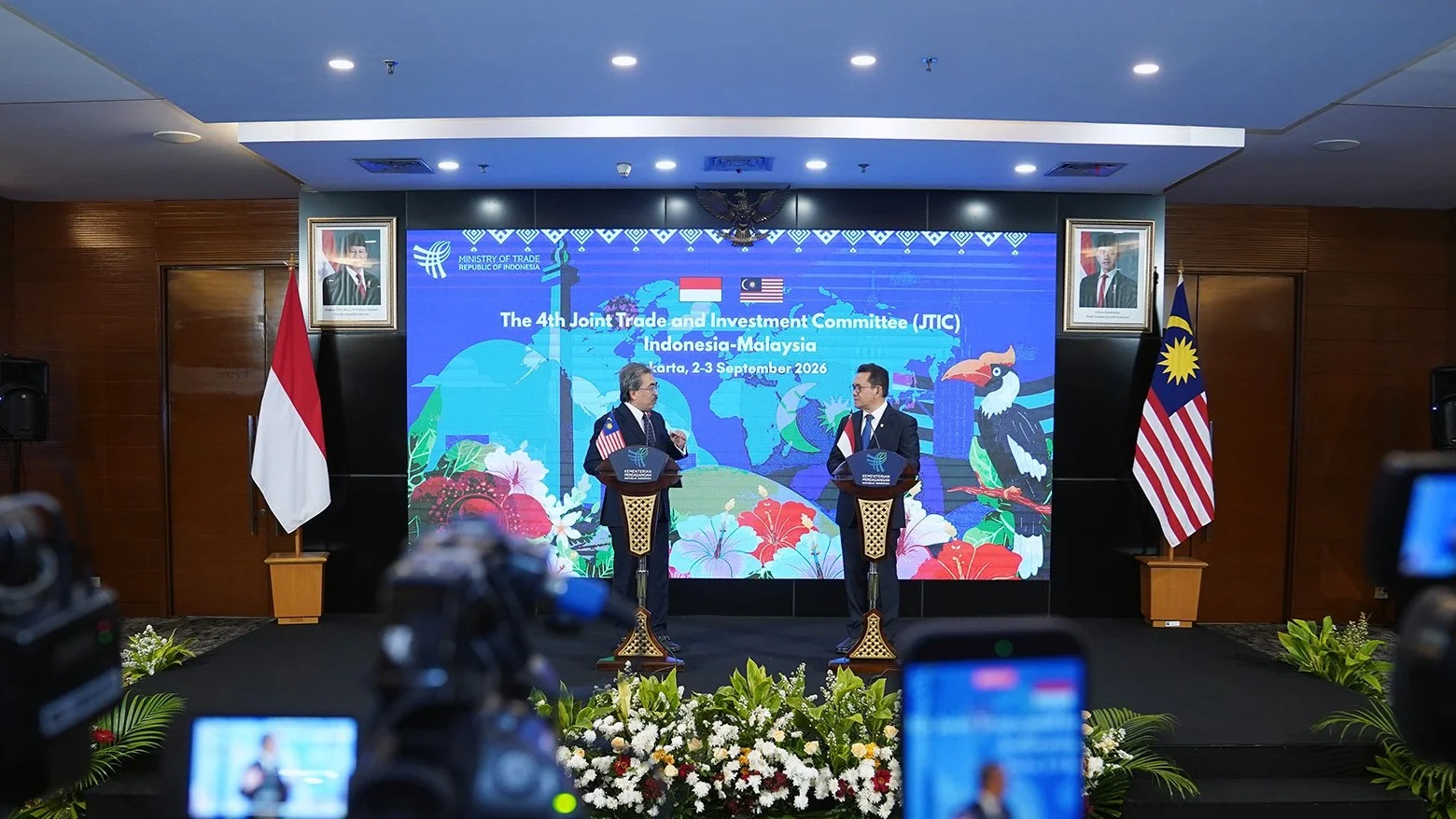
RRI.CO.ID, Jakarta – Indonesia and Malaysia have officially agreed to optimize the implementation of the 2023 Border Trade Agreement (BTA) to strengthen economic connectivity and cross-border trade between the two Southeast Asian nations. This strategic agreement was reached during the 4th Ministerial Meeting of the Joint Trade and Investment Committee (JTIC) held in Jakarta on Thursday, September 3, 2026.
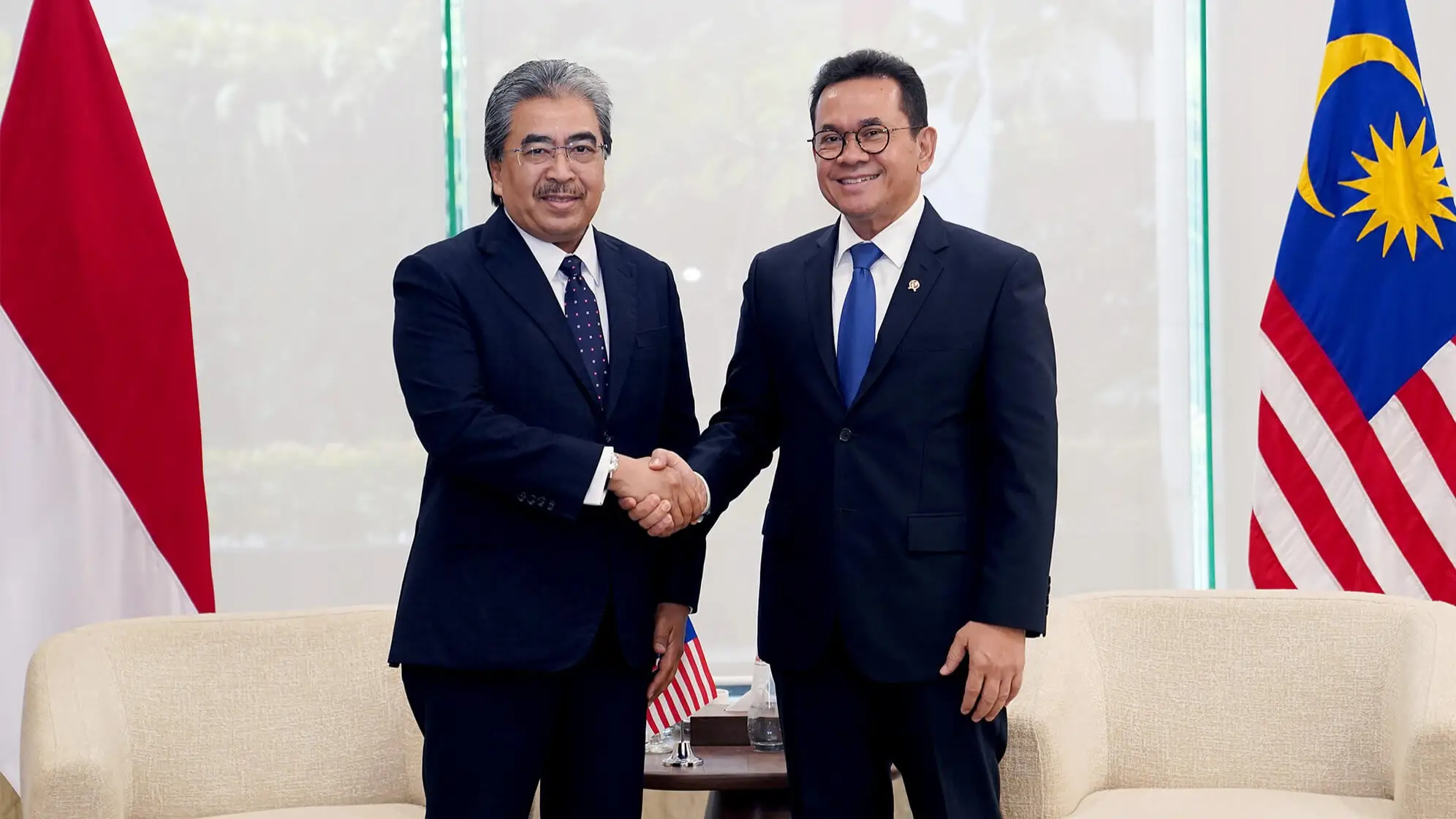
Indonesian Minister of Trade Budi Santoso, alongside Malaysian Minister of Investment, Trade, and Industry, Datuk Seri Johari Abdul Ghani, directly led the bilateral forum. Both ministers focused on boosting trade facilitation in border areas, particularly in the Entikong and Tebedu regions.
The implementation of the 2023 BTA, which came into effect on May 29, 2026, is expected to serve as a strong foundation for economic activities among residents in border areas. This step is supported by the enforcement of the 2023 Border Crossing Agreement (BCA) since July 17, 2026, to facilitate the movement of people between the two countries.
Authorities from both sides are now encouraged to resolve technical issues at the Entikong–Tebedu border. This synergy aims to ensure that the entry and exit of legal goods run smoothly, safely, and efficiently.
“We are committed to continuously strengthening trade and investment cooperation between Indonesia and Malaysia through various bilateral mechanisms. It is our joint commitment to make the implementation of the Border Trade Agreement effective, while continuing to facilitate border trade and support economic connectivity, specifically in the Entikong-Tebedu border,” Budi stated after the meeting.
In addition to focusing on border areas, the 4th JTIC meeting also discussed five other strategic issues related to market access for agricultural and food products. The cooperation framework was also expanded into sectors such as e-commerce, the halal industry, and product standardization.
The private business sector was also strengthened through a partnership between the Indonesian Chamber of Commerce and Industry (KADIN) and the Malaysia External Trade Development Corporation (MATRADE). Meanwhile, the establishment of the Malaysia-Indonesia Investment Committee Working Group (MIIC-WG) is prepared to create a more conducive investment climate.
“We signed the BTA in 2023, and it has come into force. We hope this border trade agreement can facilitate many economic activities between both countries,” Johari stated.
The reinforcement of this cooperation is based on a positive trend in total bilateral trade value, which grew by 21.01 percent in the January–July 2026 period to reach US$16.83 billion. Major traded commodities include mineral fuels, vegetable oils, machinery, and electrical equipment.
The JTIC forum serves as a crucial platform for both neighboring countries to address shared economic challenges and opportunities. The discussions will continue at a higher level as Malaysia is scheduled to host the upcoming 5th JTIC Meeting.
News Recomendation
Loading latest news.....