



Indigenous Voices Drive PCS 2026 in Decolonizing Conservation
- 01 Sep 2026 05:34 WIB
- Voice of Indonesia
Key Points
- PCS 2026 urged decolonizing conservation, placing indigenous peoples as central actors in biodiversity governance.
- The summit showcased traditional practices, proving conservation has long been rooted in community life before colonial policies.
- PCS outcomes aim to influence national laws and COP17 talks, ensuring Indigenous knowledge is recognized in global biodiversity targets.
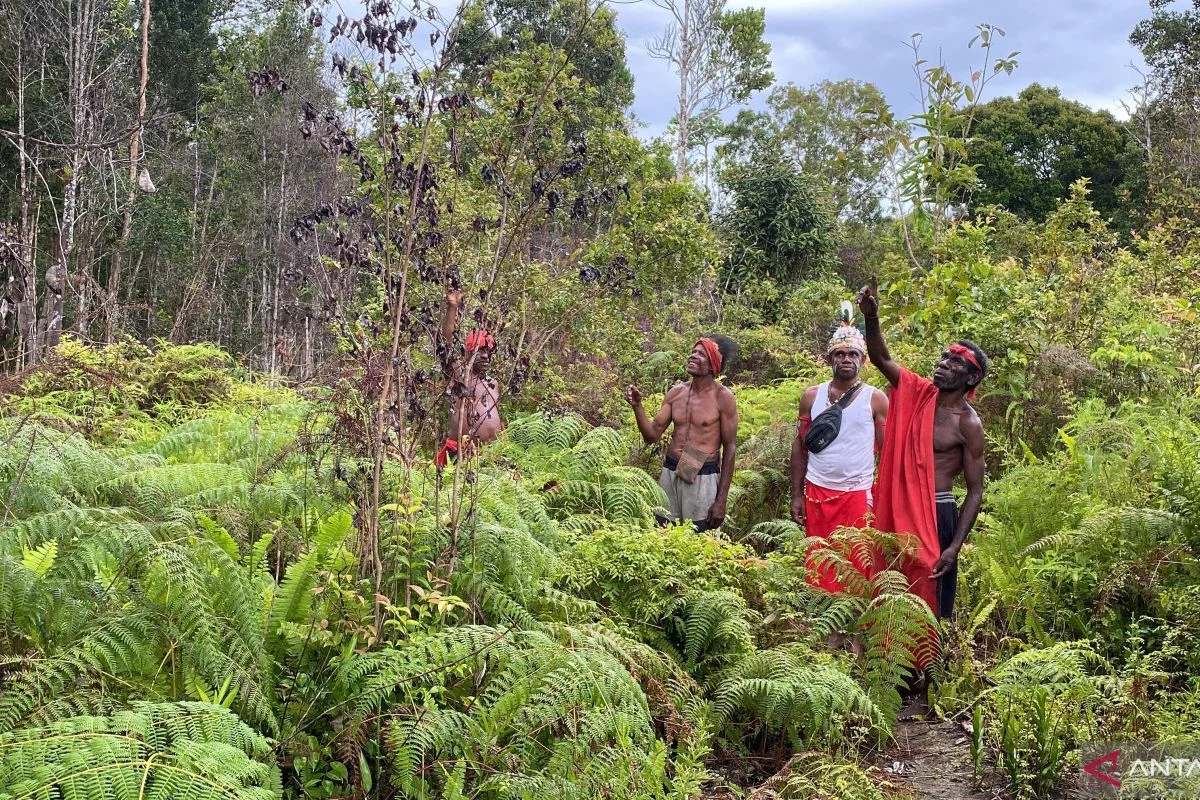
RRI.CO.ID, Yogyakarta - Indonesia’s biodiversity future took center stage at the Peoples’ Conservation Summit (PCS) 2026, held September 1–3 at Universitas Gadjah Mada’s Innovation and Creativity Hub (GIK) in Yogyakarta.
Framed by the theme “Decolonizing Conservation,” the forum challenged state‑centric policies and underscored that indigenous people and local communities must be recognized as leaders, not passive subjects, in safeguarding ecosystems.
PCS forms part of the #RoadtoCOP17CBD campaign ahead of the Convention on Biological Diversity in Armenia this October. More than a conference, it became a collective arena for knowledge exchange, best practices, and aspirations from across Indonesia’s indigenous territories.
Organized by the Indigenous and Community Conserved Areas (ICCAs) Indonesia working group, the summit drew 500 participants: half representing indigenous communities, the rest from government, academia, NGOs, civil society, and philanthropy.
Traditional practices such as Leuweung Titipan, Tana’ Ulen, Sasi, and Awig‑awig were spotlighted, affirming that conservation has long been embedded in community life, long before colonial authorities imposed their definitions.
Deputy Chair Sakti Handoko of BRWA–ICCAs Indonesia stressed that PCS must serve as a corrective platform. “The goal is not just to acknowledge indigenous communities, but to reaffirm them as key conservation actors. Colonial definitions often excluded them from their own lands,” he said, Sunday, August 30, 2026.
UGM law scholar Yance Arizona highlighted how colonial legacies persist in forestry laws, which still treat forests as state property. He argued that decolonizing conservation requires dismantling exclusionary frameworks and recognizing Indigenous stewardship as vital for sustaining ecosystems and future generations.
From the organizing committee, Lasti Fardilla Noor emphasized policy aspirations, urging government decrees to establish working groups on local wisdom. Such measures, she noted, would align with international mandates under the Convention on Biological Diversity and the Kunming-Montreal Global Biodiversity Framework.
The summit featured thematic and policy panels linking local wisdom to Indonesia’s Biodiversity Strategy and Action Plan and to global frameworks. Outcomes will feed into the Local Biodiversity Outlook (LBO) Indonesia, complementing the country’s official CBD submission and ensuring indigenous contributions are formally recognized.
By situating conservation within a post‑colonial lens, PCS 2026 underscored that biodiversity protection in Indonesia cannot be separated from the lived realities of indigenous peoples and local communities.
Its recommendations are expected to shape both national policy and international negotiations at COP17, the 17th meeting of the Conference of the Parties (COP), embedding traditional knowledge and governance into global biodiversity targets. ***
News Recomendation
Loading latest news.....