



EU, Indonesia Expand Marine Conservation to Boost Coastal Livelihoods
- 21 Jul 2026 07:53 WIB
- Voice of Indonesia
Key Points
- EU-Indonesia expand marine conservation protecting 1.63 million hectares of coastal ecosystems while creating sustainable livelihoods.
- Partnership boosts local incomes through sustainable fisheries and ecotourism, with calls for wider global and private‑sector support for Indonesia’s blue economy.
RRI.CO.ID, Jakarta - Thousands of coastal residents in Indonesia are benefiting from a joint European Union–Indonesia marine conservation program that combines biodiversity protection with sustainable economic opportunities, strengthening the country’s blue economy while preserving vital marine ecosystems.
The European Union and the Indonesian government are expanding cooperation on marine biodiversity conservation and sustainable coastal development through a program that has reached thousands of people in North Sulawesi and North Maluku.
According to a press release issued by the EU-Indonesia Cooperation Facility (EUICF) on Monday, July 20, 2026, the initiative reflects the European Union and its member states’ commitment to supporting biodiversity conservation and promoting a sustainable blue economy in Indonesia.
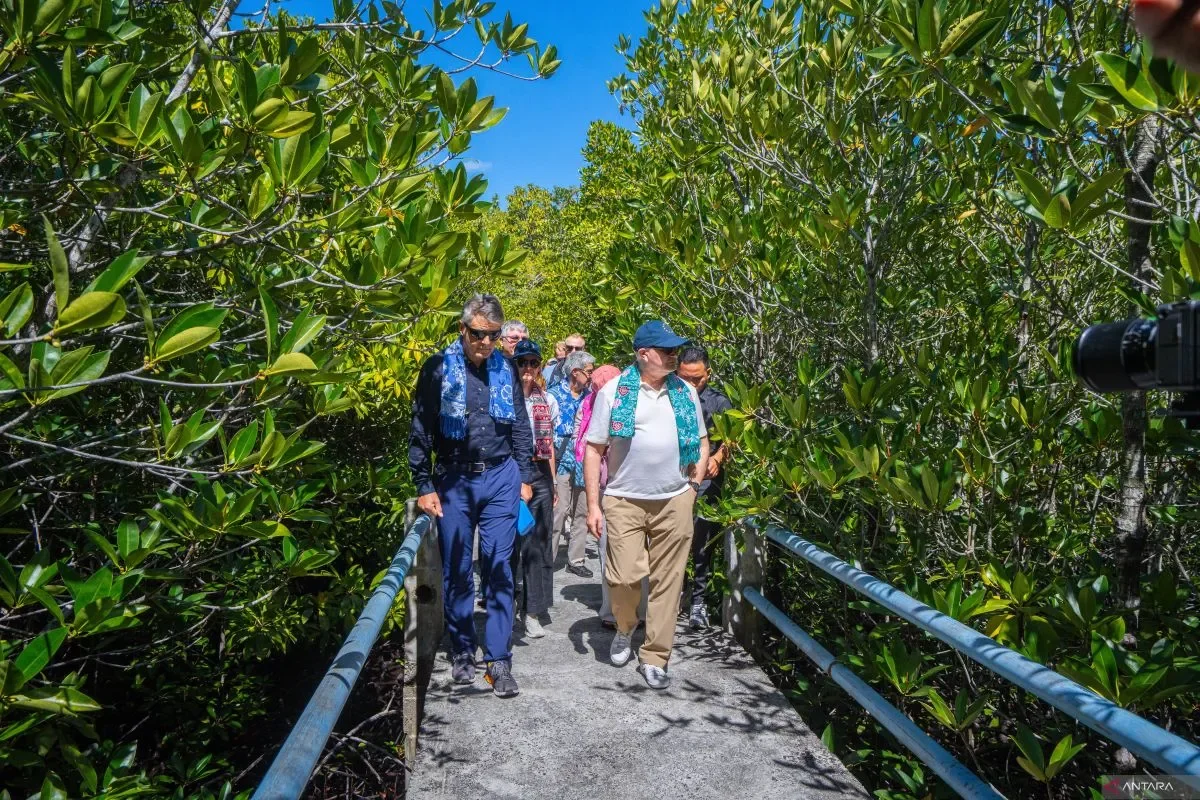
A European delegation comprising ambassadors and senior officials from 13 EU member states, along with representatives from the EU Delegation to Indonesia, visited the implementation of the Marine Biodiversity and Support of Coastal Fisheries in the Coral Triangle program in North Minahasa, North Sulawesi.
The program is implemented in partnership with the Indonesian Ministry of Forestry through the Directorate General of Natural Resources and Ecosystem Conservation (KSDAE), funded by the European Union through Germany’s Development Bank (KfW), and carried out with the Wildlife Conservation Society (WCS) Indonesia.
During the visit, the delegation toured marine protected areas and met community groups from Gangga Dua, Bahoi, Lihunu, Tarabitan, Bulutui, and Galo-Galo villages to observe how government agencies, international partners, and local communities are working together to protect marine ecosystems.
“Indonesia plays a vital role globally as home to one of the world’s richest marine ecosystems,” EU Ambassador to Indonesia Denis Chaibi said on Monday, July 20, as quoted by Antara.
“Through the Global Gateway strategy, the European Union supports coral reef restoration, strengthens the fisheries sector, and creates economic opportunities for coastal communities, including those in North Minahasa,” Chaibi said.
“This collaboration demonstrates that protecting nature can go hand in hand with creating jobs and achieving sustainable growth,” he added.
Since 2019, the program supported by the European Union and Germany’s Federal Ministry for the Environment, Nature Conservation, Nuclear Safety and Consumer Protection has strengthened marine protected area management and sustainable fisheries in North Sulawesi, North Maluku, Aceh, and West Nusa Tenggara.
It supports the management of 21 marine protected areas covering more than 1.63 million hectares, including coral reefs, mangrove forests, and seagrass beds that serve as critical marine habitats.
Representing the Director General of KSDAE, Secretary of the Directorate General Nandang Prihadi praised the contribution of all partners involved in the initiative.
“We appreciate the North Minahasa Regency Administration, the European Union, KfW German Development Bank, WCS, and all partners who have contributed to this program,” Nandang said.
“We hope this field visit will strengthen international cooperation while showcasing best practices in marine conservation and community empowerment in North Sulawesi,” he added.
The program has helped establish and strengthen the management of 21 marine protected areas covering 1,631,572 hectares, including 16,613 hectares of coral reefs, 14,318 hectares of mangroves, and 10,582 hectares of seagrass ecosystems.
Beyond conservation, the initiative has improved local livelihoods through sustainable fisheries, conservation-based businesses, and ecotourism development in several coastal villages.
In Gangga Dua Village, for example, a seasonal fishing closure agreed upon by local fishers increased seasonal income from around IDR 20 million to IDR 48 million.
The program has directly benefited 5,752 people and indirectly reached approximately 24,542 others through community capacity building, institutional strengthening, and the development of sustainable livelihoods.
The European Union delegation and Indonesian partners said the visit also serves as an opportunity to encourage broader support from the public, philanthropic organizations, and the private sector for sustainable fisheries, the blue economy, and nature-based tourism.
They hope that continued collaboration will ensure marine biodiversity remains at the center of Indonesia’s inclusive and sustainable blue economy agenda. ***
News Recomendation
Loading latest news.....