



WHO Launches Test and Treatment Trial for Bundibugyo Ebola
- 03 Jul 2026 13:53 WIB
- Voice of Indonesia
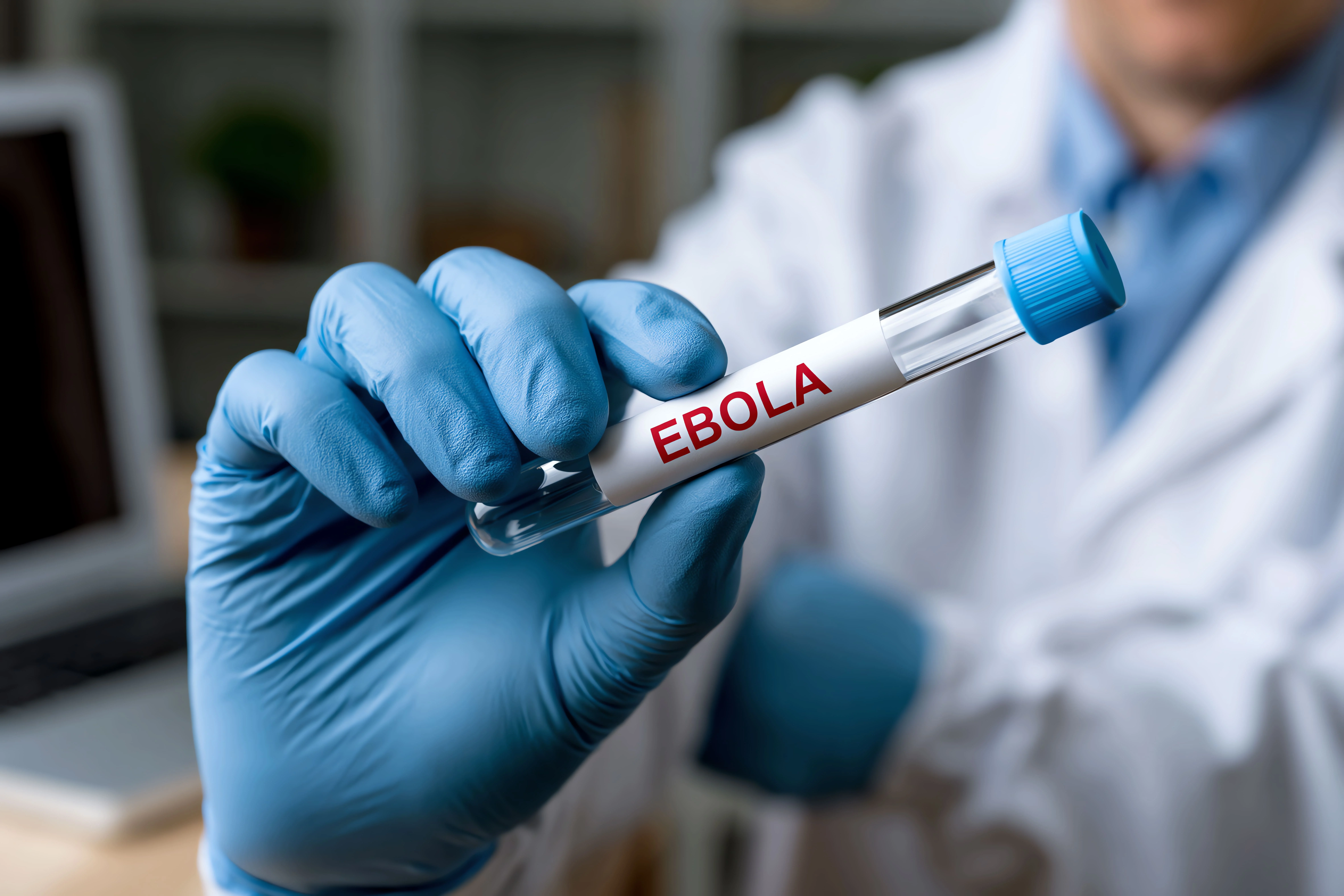
RRI.CO.ID, Geneva — The World Health Organization (WHO) has unveiled two major advances in the global fight against Bundibugyo Ebola. WHO on Thursday, July 2, 2026, announced the first emergency-approved diagnostic test for the virus alongside the launch of an international clinical trial evaluating potential treatments.
The twin developments come as the Democratic Republic of the Congo (DRC) battles the largest recorded outbreak of Bundibugyo virus disease (BVD). Since the outbreak on May 15, 2026, WHO reported more than 1,400 laboratory-confirmed infections and about 440 deaths.
According to the press release, WHO on Thursday added the first molecular diagnostic test for Bundibugyo virus to its Emergency Use Listing (EUL), allowing countries and United Nations agencies to procure a quality-assured test capable of rapidly detecting the virus from blood samples. Faster diagnosis is expected to improve patient care, strengthen disease surveillance and help health authorities isolate cases more quickly to curb transmission.
At the same time, the organization announced the launch of the PARTNERS (Platform Adaptive Randomised Trial for New and Repurposed Filovirus TreatmentS) clinical trial in the DRC. The study will evaluate whether two antiviral therapies—a monoclonal antibody known as MBP134 and the antiviral drug remdesivir—can improve survival among people infected with Bundibugyo Ebola.
Researchers will also assess whether combining the two treatments offers additional benefits. Taken together, the initiatives represent the most comprehensive scientific response yet to a Bundibugyo Ebola outbreak, targeting both rapid diagnosis and effective treatment.
"Public health emergencies require not only speed, but also confidence that the health products being used meet standards for quality, safety and performance," said Dr. Yukiko Nakatani, WHO Assistant Director-General for Health Systems, Access and Data. "During a fast-moving outbreak, timely access to quality-assured diagnostic tests can make a critical difference in containing transmission," she said.
Previously, the World Health Organization (WHO) declared the Ebola outbreak caused by the Bundibugyo virus a Public Health Emergency of International Concern (PHEIC) on May 17, as announced by WHO Director-General Dr. Tedros Adhanom Ghebreyesus. The declaration recognized the outbreak as an international public health problem requiring coordinated global action.
Although treatments have been developed for the more common Zaire strain of the Ebola virus, no approved therapy currently exists for Bundibugyo virus disease. WHO says this treatment gap has made research during the current outbreak especially urgent.
"Even without approved therapeutics, people are recovering from this disease, but of course, we could save many more lives with safe and effective therapeutics in our toolkit," Tedros said, as quoted from the WHO press release.
The trial is enrolling patients of all ages with confirmed Bundibugyo virus disease and will provide participants with supportive care alongside the investigational treatments. Researchers plan to monitor patients for at least 28 days after enrollment, with an independent data and safety monitoring board overseeing the study.
The simultaneous rollout of a WHO-listed diagnostic test and a therapeutic clinical trial reflects a broader shift in how outbreaks are being managed. Public health authorities are increasingly integrating research into emergency response so evidence on diagnostics and treatments can be generated while the crisis is still unfolding.
News Recomendation
Loading latest news.....