



Indonesia Looks to Estonia’s Digital Governance Model to Accelerate Reforms
- 05 Jun 2026 10:01 WIB
- Voice of Indonesia
Key Points
- Indonesia is exploring cooperation with Estonia to strengthen digital government services, governance reform, and public sector innovation.
- Estonia, where all public services are digital, offered expertise in interoperability, cybersecurity, and citizen-centered digital governance.
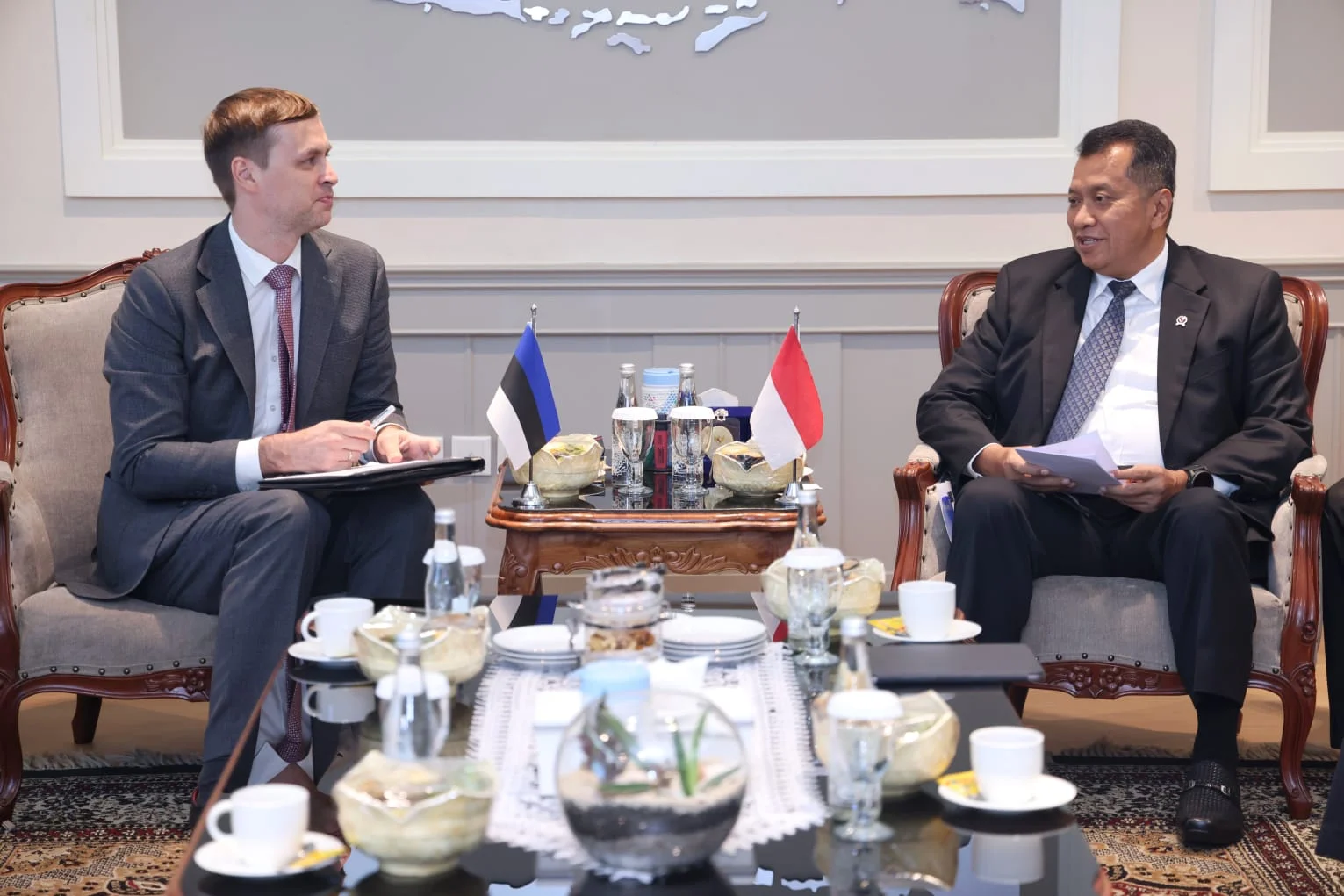
RRI.CO.ID, Jakarta - Indonesia is seeking to draw lessons from Estonia’s globally recognized digital governance model as it accelerates efforts to modernize public services and reform government institutions.
The initiative was discussed during a meeting between Indonesian Deputy Minister of Administrative and Bureaucratic Reform Purwadi Arianto and Estonia’s Ambassador to Indonesia, Singapore, and ASEAN, Veikko Kala, at the Ministry of Administrative and Bureaucratic Reform in Jakarta on Thursday, June 4, 2026.
Deputy Minister Purwadi emphasized that Indonesia views digital transformation as more than a technology agenda. Instead, it is considered a key component of broader bureaucratic reform aimed at redesigning governance structures, business processes, civil service management, and public service delivery.
"In this regard, Estonia's experience is highly relevant because its digital success was built on institutional reform, interoperability, and citizen-centered service design," he said, as quoted on the ministry's official website.
Like Estonia, Indonesia sees Digital Public Infrastructure (DPI) as the foundation of integrated and citizen-focused public services. The country's focus on digital identity, data exchange platforms, and digital payments reflects its goal of using technology to support governance reform.
Indonesia is also shifting from institution-centered public services to a life-event approach that organizes services around citizens' needs, including birth registration, education, employment, healthcare, marriage, entrepreneurship, and retirement.
"In line with Estonia's experience, we aim to provide seamless, integrated, and personalized services that simplify citizens' interactions with government and improve their overall service experience," he explained.
However, he acknowledged that Indonesia faces unique challenges, including its vast geography, large population, varying levels of digital literacy, infrastructure readiness, and institutional capacity.
He also highlighted the complexity of breaking down long-standing bureaucratic silos to enable data interoperability and merit-based talent mobility across government agencies.
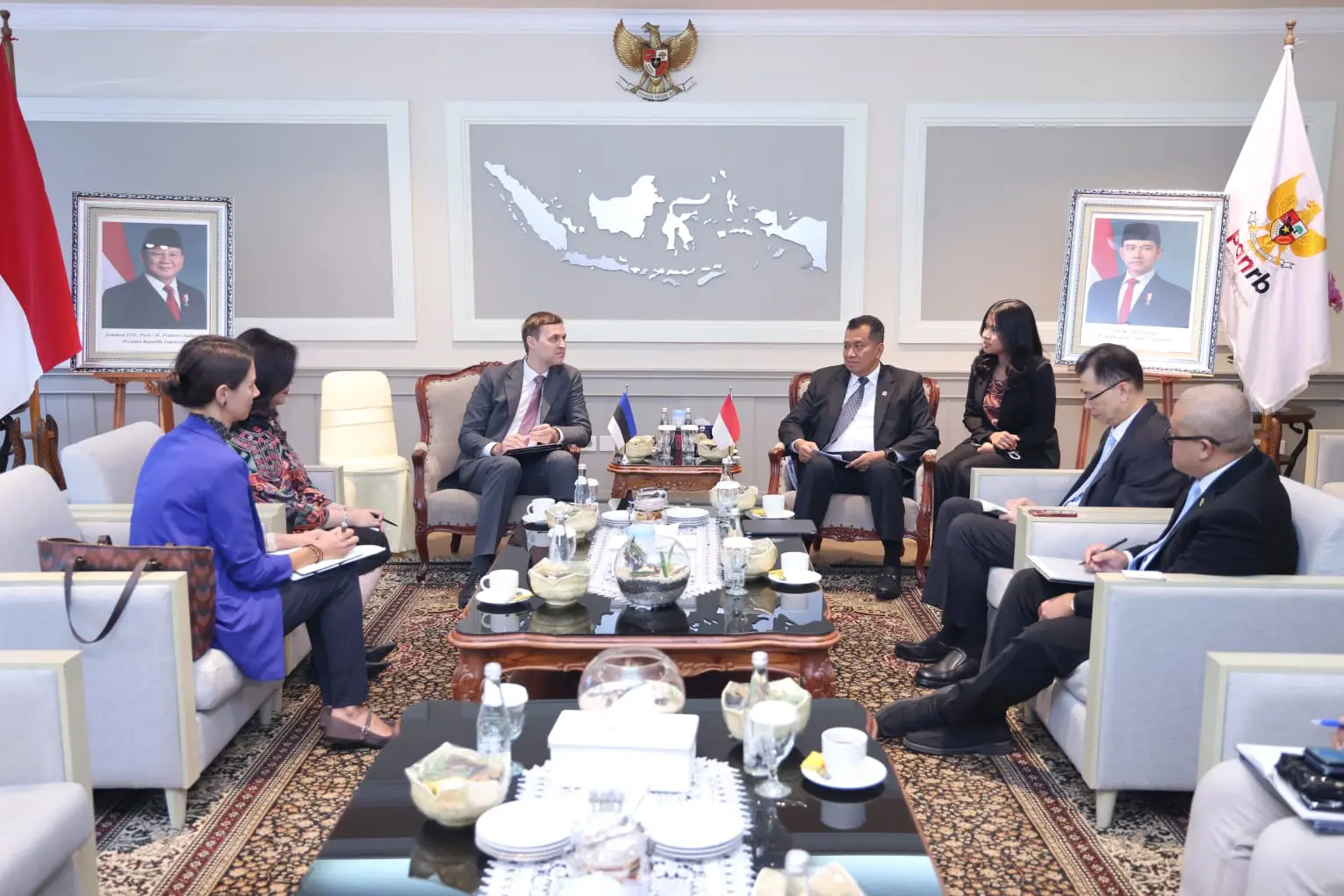
Rather than replicating Estonia's model directly, Indonesia hopes to adapt relevant best practices and gain practical insights, institutional knowledge, and capacity-building support.
He identified three potential areas of cooperation: benchmarking and knowledge exchange on digital governance and public sector innovation; capacity building for digital transformation and bureaucratic reform; and policy consultation to advance citizen-centered public services.
"These areas offer practical opportunities to strengthen our partnership and accelerate public sector transformation. We look forward to a productive and sustainable partnership between our two countries," he continued.
During the meeting, Ambassador Veikko Kala highlighted Estonia's 25 years of experience in digital governance, noting that all public services in the country are now available online.
"This means every citizen in Estonia can access public services 24 hours a day without leaving home. They only need a digital ID and, of course, an internet connection," Veikko said.
He stressed that cybersecurity remains the cornerstone of successful digital governance, particularly as Estonia's digital systems have reached an advanced stage of development.
"We must ensure that no matter what happens, all systems continue to function, because if they do not, it becomes not only a challenge for the state's continuity but also for the trust of the people who use these services," he said.
Veikko concluded by expressing Estonia's readiness to support Indonesia's digital transformation journey with solutions tailored to the country's specific needs.
"Of course, we recognize that Indonesia has developed its own interoperability system. However, if Indonesia faces any challenges related to it, we are very ready to explore and assist with its implementation," he concluded. ***
News Recomendation
Loading latest news.....