



Indonesia Urges Nuclear Disarmament After NPT Deadlock
- 25 Mei 2026 13:25 WIB
- Voice of Indonesia
Key Points
- Indonesia urged stronger global commitments after the 2026 NPT conference ended without consensus.
- The country warned nuclear modernization raises global security and humanitarian risks.
RRI.CO.ID, Jakarta - The Republic of Indonesia has issued a sharp demand for concrete global nuclear disarmament commitments following a total deadlock at the 2026 Review Conference of the Treaty on the Non-Proliferation of Nuclear Weapons (NPT RevCon) in UN Headquarter, New York. The international summit concluded in a failure to achieve a substantive consensus among participating states.
This was emphasized by Indonesia at the Conference held at the UN Headquarters on April 27 to May 22, 2026 as the Coordinator of the Non-Aligned Movement (NAM) representing 118 member countries, according to a statement from the official website of the Ministry of Foreign Affairs on Sunday.
In the forum, Indonesia led the harmonization of the non-aligned nations' positions to ensure that the implementation of the NPT remains balanced across its three core pillars: nuclear disarmament, non-proliferation, and the peaceful utilization of nuclear energy. Indonesian delegates explicitly asserted that a diplomatic consensus must never be reached at the expense of substantive nuclear disarmament, nor should it lower the benchmark of commitments agreed upon during previous review cycles.
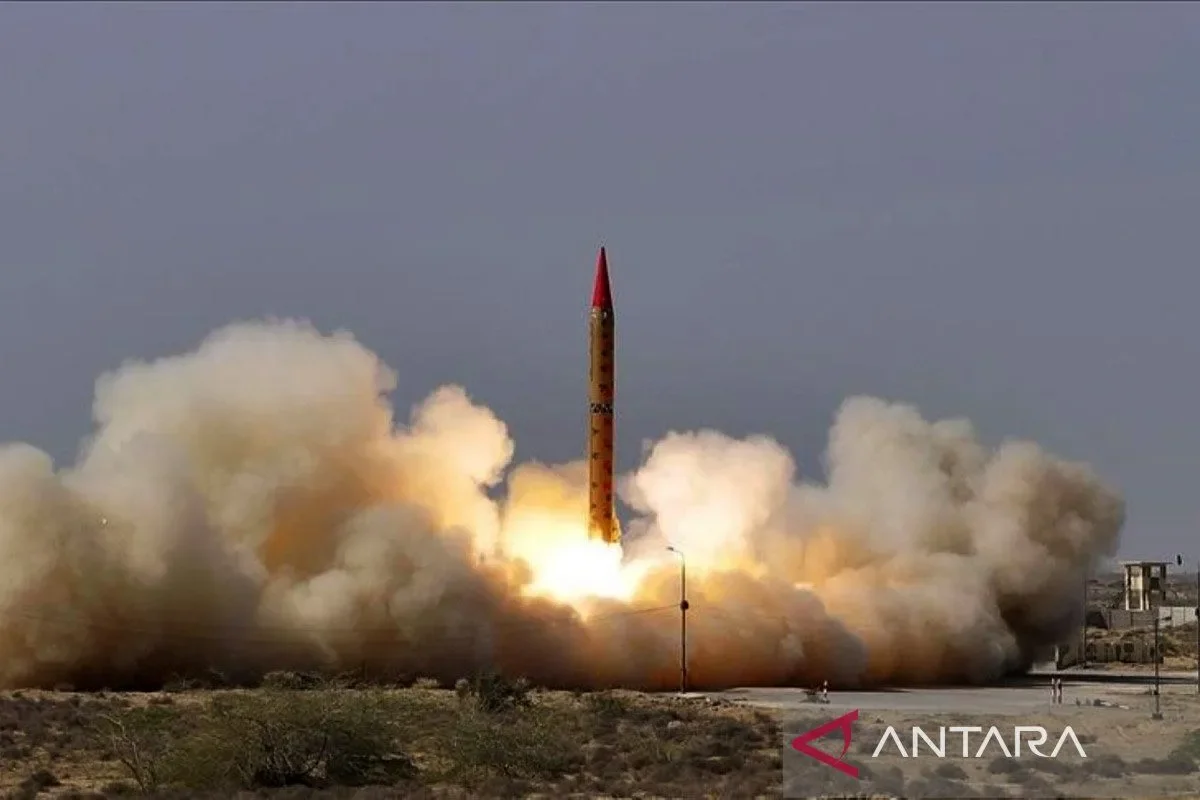
The 2026 NPT RevCon unfolded against a backdrop of escalating global nuclear risks. The Ministry of Foreign Affairs highlighted a dangerous modern landscape characterized by a push toward arsenal modernization, as nuclear-armed nations continue to aggressively modernize their destructive stockpiles.
This threat is further exacerbated by the sheer volume of active warheads, with global military powers currently maintaining a staggering inventory of more than 12,000 nuclear warheads. Finally, the landscape is complicated by test threats and AI tech, meaning the geopolitical arena faces potential new nuclear tests alongside the destabilizing integration of emerging technologies, such as Artificial Intelligence (AI), into nuclear command and control systems.
Indonesia warned that this modern environment dramatically heightens the risk of strategic miscalculations, rapid military escalation, and the potential detonation of nuclear weapons. Such an event poses an immediate, catastrophic threat capable of triggering widespread humanitarian and environmental disasters.
During the closing session of the conference, Indonesia expressed profound disappointment over the failure to adopt a substantive final document. The Indonesian delegation reminded the assembly that nuclear disarmament is not an abstract diplomatic agenda, but a tangible necessity required to safeguard global peace, stability, and security.
Furthermore, Indonesia pointed out a severe double standard in international compliance. The country emphasized that non-nuclear-weapon states have strictly and transparently fulfilled their non-proliferation obligations under the NPT. Conversely, nuclear-armed states must be pressured to take immediate, measurable actions to fulfill their disarmament obligations under Article VI of the NPT.
"The failure to reach a consensus should not weaken the global commitment to nuclear disarmament, but rather serve as a warning of the growing nuclear risks and the need to strengthen political will towards a nuclear-weapon-free world," the Indonesian delegation affirmed via the Ministry of Foreign Affairs, as quoted by Antara.
Indonesia also utilized the platform to champion the unalienable right of every treaty party to access and utilize nuclear energy for peaceful purposes without discrimination, calling for an end to highly politicized or selective regulatory approaches.
Despite the gridlock, Indonesia extended its formal appreciation to Vietnam, which held the Conference Presidency, praising its exhaustive efforts to keep the negotiation process inclusive and constructive amidst highly complex geopolitical dynamics. Ultimately, Indonesia asserted that the structural failure to reach a consensus must serve as a stark wake-up call to amplify global political will toward a completely nuclear-free world. ***
News Recomendation
Loading latest news.....