



Indonesia-Saudi Arabia Strengthen Cultural Cooperation Following High-Level Vis
- 15 Apr 2026 08:56 WIB
- Voice of Indonesia
Key Points
- Indonesia and Saudi Arabia strengthen cultural cooperation through a high-level meeting.
- The meeting, held on April 13, 2026, highlighted a shared vision of placing culture at the heart of national development.
- The two nations have identified three main pillars of their cultural partnership.
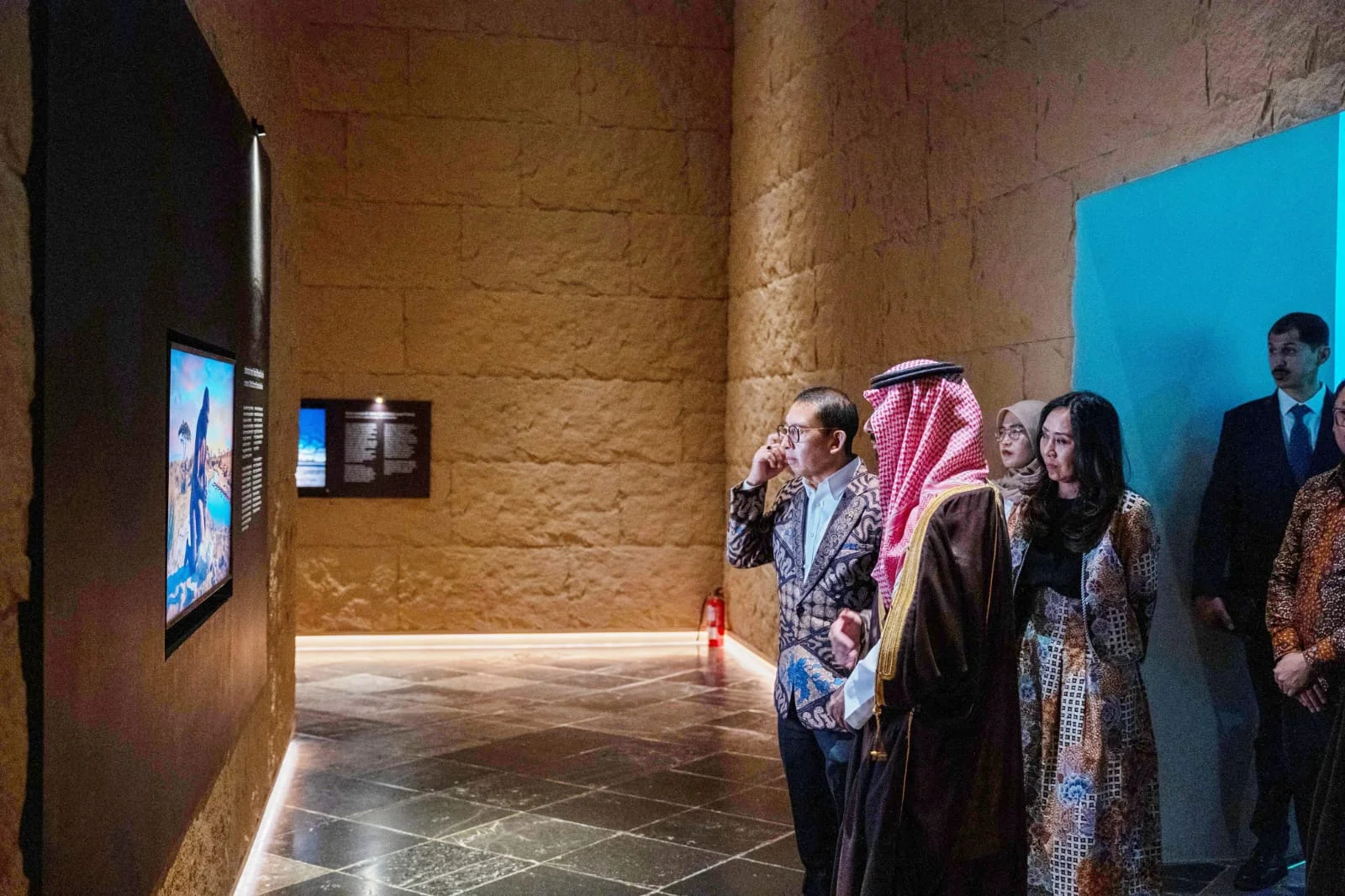
RRI.CO.ID, Jakarta - The Indonesian Ministry of Culture recently hosted His Royal Highness Prince Bader bin Abdullah bin Farhan Al Saud, the Minister of Culture of Saudi Arabia, marking a pivotal moment in the bilateral relationship between the two nations. The meeting, held on April 13, 2026, highlighted a shared vision of placing culture at the heart of national development.
Indonesian Minister of Culture, Fadli Zon, emphasized that culture serves as a strategic "soft power" and a unifying force in today's complex global landscape. "Indonesia is a megadiversity country, this diversity reflects a cultural strength that is alive and continues to evolve over time," he said, noting that the 76-year diplomatic bond is deeply rooted in shared values, as quoted by the ministry's official website.
This meeting also raised the issue of cooperation at the global level through UNESCO, particularly regarding the extension of the Intangible Cultural Heritage ‘Arabic Calligraphy: Knowledge, Skills, and Practices,’ which involves Saudi Arabia. Indonesia has submitted an official request through diplomatic channels (Note Verbale) and expects support from Saudi Arabia as one of the countries included in this element.
In the field of museum management, the nations are expanding cooperation in conservation, collection digitalization, and curatorial exchanges, with Saudi Arabia already initiating discussions with the National Museum of Indonesia for long-term collection loans.
The partnership also places a strong emphasis on the creative economy, focusing on film, literature, music, and fashion as both nations see immense potential in film co-productions featuring historical themes and infrastructure investments like cinema development.
Finally, the two countries are prioritizing literacy and language by exploring ambitious translation projects between Indonesian and Arabic, supported by the King Salman Language Center.
During the visit, Prince Bader toured key cultural landmarks in Jakarta, beginning at the National Museum of Indonesia where the ministers visited the Early History exhibit and the Misykat Exhibition, which highlights the 7th-century origins of Islam in Indonesia.
The delegation also visited the National Gallery of Indonesia to view contemporary works in the Indonesian Women Artists #4 exhibition. Additionally, they observed classic masterpieces by Raden Saleh and Affandi, which represent the pinnacle of Indonesian fine arts history and serve as a testament to the nation's rich artistic heritage.
The meeting underscored the institutional evolution of both countries: Saudi Arabia established its Ministry of Culture in 2018 as a core part of its national transformation, while Indonesia established its Ministry of Culture as a standalone entity in 2024.
Deputy Minister of Culture, Giring Ganesha Djumaryo, and other key officials were present to facilitate the dialogue, which concluded with a commitment to accelerate the implementation of these joint programs. This partnership aims to use culture as a bridge to ensure a more comprehensive and meaningful relationship between Indonesia and Saudi Arabia in the years to come.
The two nations have identified three main pillars of their cultural partnership: heritage collaboration via UNESCO, modernizing of museum management through digitalization and curatorial exchange, and stimulation of the creative economy through film co-productions and artist residencies. By aligning these priorities, Indonesia and Saudi Arabia aim to convert their historical ties into a modern, economically vibrant cultural ecosystem.
Furthermore, the focus on literacy and translation ensures that the rich intellectual traditions of both languages are accessible to a wider audience. This multi-sectoral approach, stretching from ancient archaeology to contemporary digital art—positions culture not just as a relic of the past, but as a dynamic engine for future diplomatic and economic growth. ***
News Recomendation
Loading latest news.....