



Shanghai Opens Doors Wider to Global MSMEs, Eyes Indonesian Businesses for Growth
- 14 Apr 2026 09:54 WIB
- Voice of Indonesia
Key Points
- Shanghai invites global SMEs, including from Indonesia, to invest and grow in its business ecosystem.
- Strong infrastructure, financing access, and policy support drive SME expansion and integration.
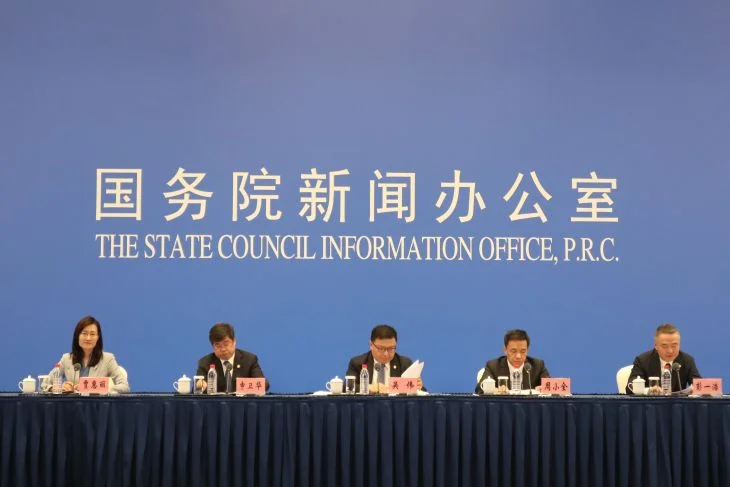
RRI.CO.ID, Jakarta - Shanghai is positioning itself as a global hub for micro, small and medium-sized enterprises (MSMEs), actively inviting foreign businesses, including those from Indonesia, to invest and integrate into its expansive economic ecosystem.
The Shanghai municipal government said it remains open to MSMEs from abroad, highlighting continued efforts to foster an inclusive and competitive business environment.
“Shanghai has consistently provided a favorable climate for the development of small and medium-sized enterprises," Director General of Shanghai Municipal Commission of Commerce, Shen Weihua, told a media briefing organized by China’s State Council in Shanghai on Monday, April 13, 2026, as quoted by Antara.
"We also hope that all SMEs in Shanghai can grow alongside the city,” Shen Weihua added.
As of 2025, Shanghai hosts around 68,000 foreign SMEs. Of these, 91 percent operate in agriculture, while about 10 percent are engaged in manufacturing, which still represents a significant scale in terms of overall output.
Shen noted that SMEs are drawn to Shanghai due to its advanced transportation infrastructure, access to financing, complete industrial chains, strong service sector, highly educated workforce, and internationally standardized business environment.
To support business growth, the city has introduced development programs enabling high-performing SMEs to scale up and even go public, alongside financing support.
Last year, banks disbursed loans totaling 410 billion yuan (around IDR 1.03 quadrillion) to 10,000 companies, while interest rates were reduced to ease financial burdens.
Shanghai has also established a citywide SME service system, including complaint resolution mechanisms to address common business challenges. The government emphasized equal treatment for all enterprises and the use of artificial intelligence (AI) to further optimize the business climate.
“We will continue to improve the SME business environment, promote high-quality services, and welcome companies from around the world to invest and grow here,” Shen said.
Earlier, on April 1, 2026, Indonesian Minister of MSMEs Maman Abdurrahman stated in Beijing that Indonesia aims to integrate its MSMEs into China’s supply chains through strategic partnerships and sector-based clusters to boost competitiveness and efficiency.
According to the Indonesian Central Bureau of Statistic, MSMEs account for 65.5 million businesses, contributing 61.9 percent to GDP and employing more than 119 million people, or about 97 percent of the national workforce.
Meanwhile, China recorded over 60 million SMEs by the end of 2024, generating revenues of 81 trillion yuan (approximately USD 11.2 trillion), including 600,000 technology-focused firms and 14,600 specialized “little giant” enterprises.
Shanghai, a centrally administered municipality, remains one of the world’s leading financial and trade hubs. In 2025, its GDP reached 5.67 trillion yuan, while total foreign trade hit 4.51 trillion yuan.
The Port of Shanghai has retained its status as the world’s busiest container port for 16 consecutive years, handling over 55 million TEUs. ***
News Recomendation
Loading latest news.....