



Three Indonesian Geoparks Maintain UNESCO “Green Card” Status
- 09 Apr 2026 17:26 WIB
- Voice of Indonesia
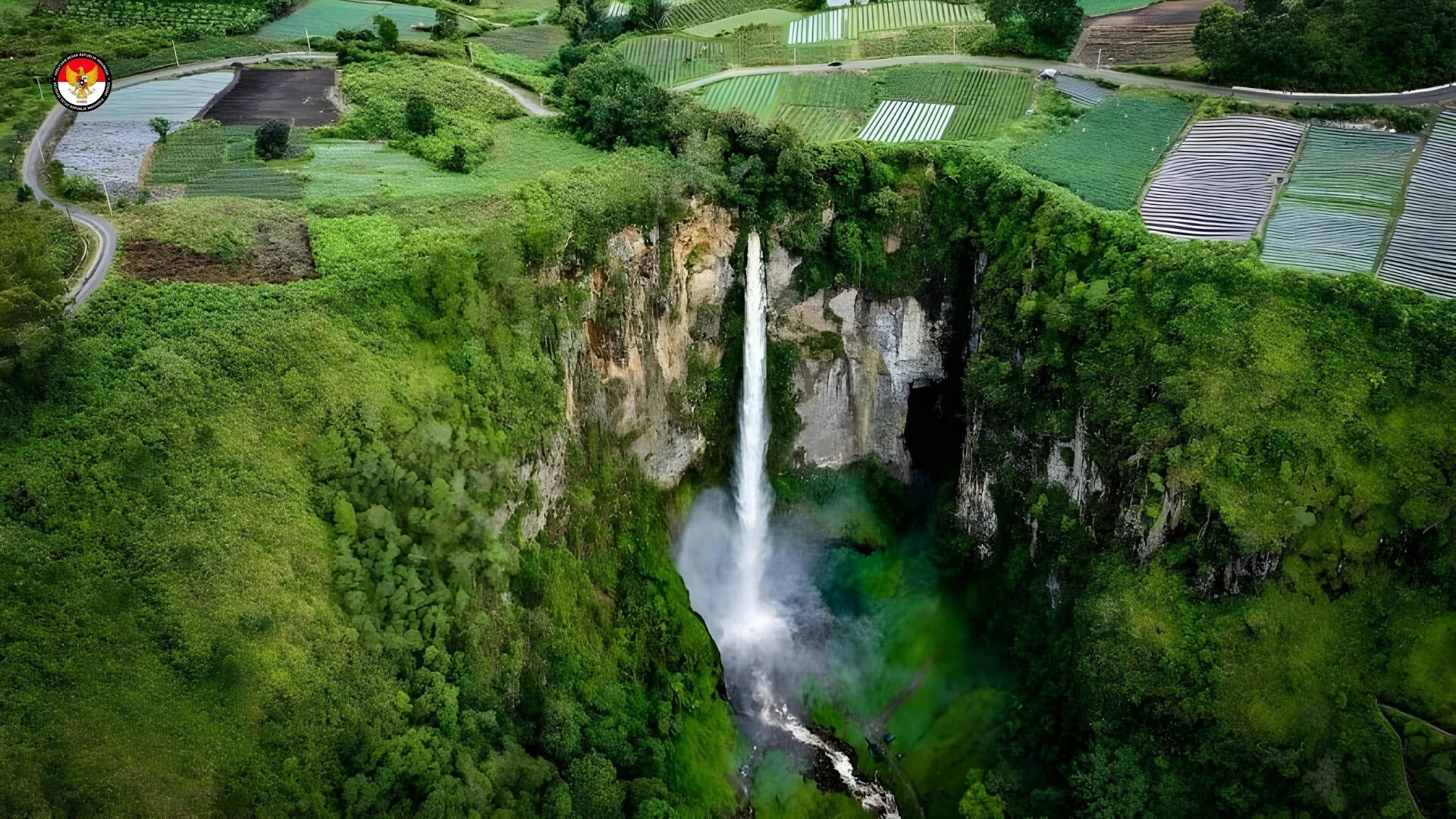
RRI.CO.ID, Paris – Three UNESCO Global Geoparks in Indonesia, namely Rinjani-Lombok, Kaldera Toba, and Ciletuh-Palabuhanratu, have officially retained their “green card” status from the UNESCO Global Geoparks Council for the 2026–2029 period. The “green card” status is the highest recognition in UNESCO’s periodic evaluation of geoparks, indicating that these areas meet international standards in conservation, education, and community-based sustainable development.
In an official letter from UNESCO to the Government of Indonesia dated March 27, 2026, the three geoparks were assessed as having successfully maintained high management standards while making significant contributions to geoscience development, disaster risk mitigation, and sustainable development based on natural heritage.
This assessment refers to the decision of the UNESCO Global Geoparks Council meeting held in Kütralkura, Chile, on September 5–6, 2025.
“The recognition shows that Indonesia not only possesses extraordinary geological wealth but is also capable of managing it responsibly and sustainably. UNESCO Global Geoparks serve as an important platform to strengthen environmental diplomacy, public education, and integrated empowerment of local communities,” Mohamad Oemar stated in a statement from the Embassy of the Republic of Indonesia in Paris received in Jakarta on Thursday, April 9, 2026.
UNESCO also provided several strategic recommendations to further improve the quality of the geoparks. For Rinjani-Lombok, UNESCO emphasized the need to enhance public information quality, update interpretive panels, and improve the accuracy of disaster mitigation information, including managing overtourism risks.
For Kaldera Toba, the recommendations focus on strengthening institutional governance, simplifying organizational structures, and developing educational strategies that highlight Lake Toba as the largest caldera in the world, along with promoting sustainable tourism that actively involves indigenous communities.
Meanwhile, Ciletuh-Palabuhanratu is encouraged to improve tourism infrastructure, utilize technologies such as augmented reality in geological education, and increase women’s participation in geopark management, as well as strengthen resilience to climate change and disaster risks.
“UNESCO’s recommendations are an important guide as an instrument for continuous improvement. Indonesia is committed to following up on each recommendation, including strengthening governance, public education, and the development of sustainable and inclusive tourism,” Mohamad Oemar said.
Maintaining the “green card” status is considered to strengthen Indonesia’s position within the global UNESCO Global Geoparks network, while also enhancing its attractiveness as a nature- and education-based tourism destination and opening opportunities for international collaboration in research, conservation, and innovation.
Indonesia currently has 12 UNESCO Global Geoparks across various regions, reflecting its rich geodiversity. With this latest achievement, Indonesia further affirms its role as one of the key countries in global geopark development.
The Permanent Delegation of the Republic of Indonesia to UNESCO will continue to coordinate with relevant ministries and stakeholders to ensure the optimal implementation of UNESCO’s recommendations and to strengthen the role of geoparks as a driver of sustainable development based on local potential.
News Recomendation
Loading latest news.....