



Foreign Language Training Opens Global Pathways for Indonesia’s Rural Youth
- 02 Apr 2026 19:53 WIB
- Voice of Indonesia
Key Points
- The second batch of the Japanese training organized by the Ministry of Villages and Disadvantaged Regions Development launched to empower rural youth with language skills for international internships.
- The program saw a significant surge to over 1,400 participants from 36 provinces seeking to master basic Japanese for future vocational opportunities abroad.
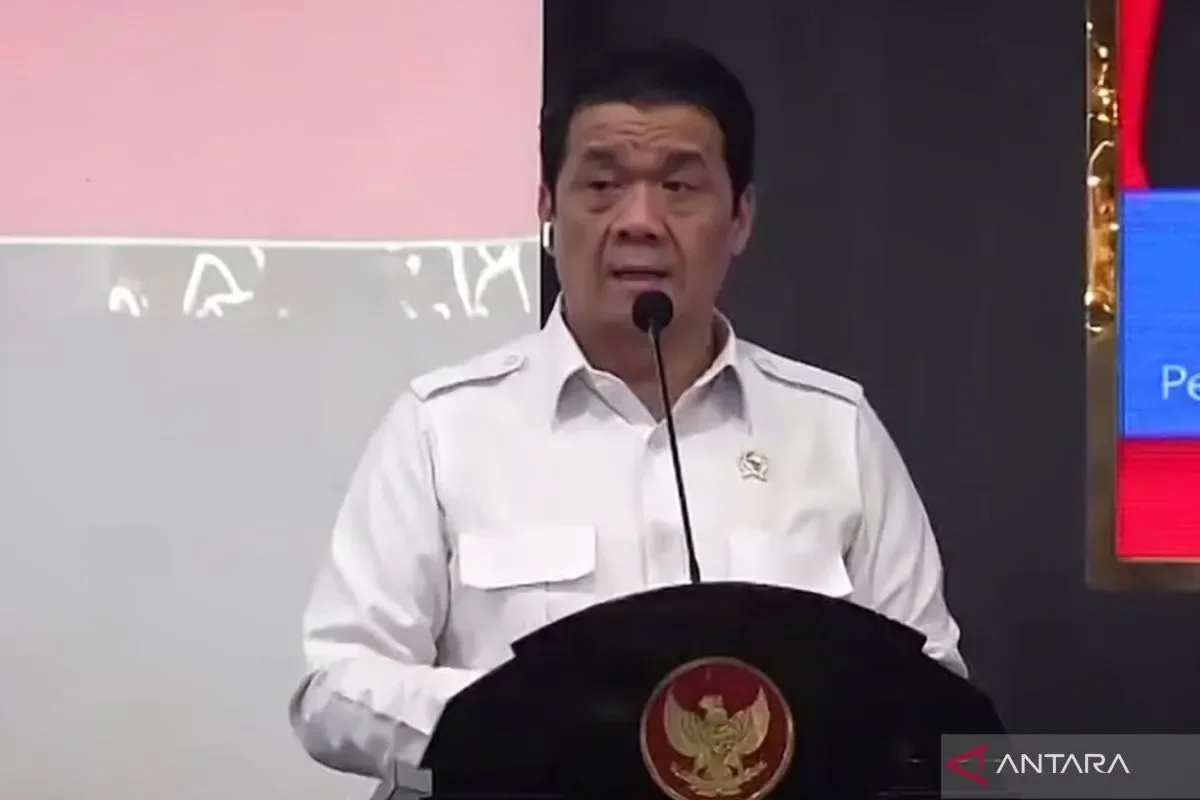
RRI.CO.ID, Jakarta - Foreign language training -- such as Japanese -- will serve as a strategic gateway for villagers to access global job markets, according to Deputy Villages and Disadvantaged Regions Development Deputy Minister Ahmad Riza Patria.
Speaking at the opening of the second batch of the Japanese language training organized by the ministry in collaboration with PT Mojo Indonesia Raya on Thursday, April 2, 2026, at the ministry's office in Jakarta, Deputy Minister Riza emphasized that the program is more than just a formal exercise.
“This is not merely a formality or just language training. It is a pathway to the future, an opportunity for villagers to build confidence, add value, and become more competitive in a rapidly changing job market,” he said, as quoted by Antara.
He noted that foreign language skills are a crucial entry point for linking the potential of rural communities with global employment needs, including internships and work opportunities in Japan. Riza urged participants to seize the moment.
“Make the most of this opportunity to learn, and later to take part in internships and employment programs," he assured.
PT Mojo Indonesia Raya’s Education Department Head, Andi Irma Sarjani, explained that the training is part of a partnership to enhance rural human resources through foreign language competence.
Registration for the second batch, held online between February 16 and March 27, attracted 1,457 participants from 36 provinces, 288 regencies/cities, and 1,183 villages -- a sharp increase from the first batch, which had only 118 participants.
The curriculum is divided into two stages: mastering Hiragana and Katakana in the initial phase, followed by basic Kanji, beginner-level conversational Japanese, and introductory tourism language.
After completing the online sessions, participants will have the chance to continue intensive training at vocational institutions to further strengthen their Japanese skills in preparation for employment abroad.
The program aims to equip rural youth with competitive remuneration opportunities and valuable work experience in Japan, ultimately contributing to family income and the advancement of their villages.
By positioning language training as a bridge to global opportunities, the initiative underscores Indonesia’s commitment to empowering rural communities and ensuring that its young generation can thrive in an increasingly interconnected world. ***
News Recomendation
Loading latest news.....