



Japan and UNDP Support Indonesia’s Small-Scale Fishers with Green Tech
- 06 Mar 2026 08:07 WIB
- Voice of Indonesia
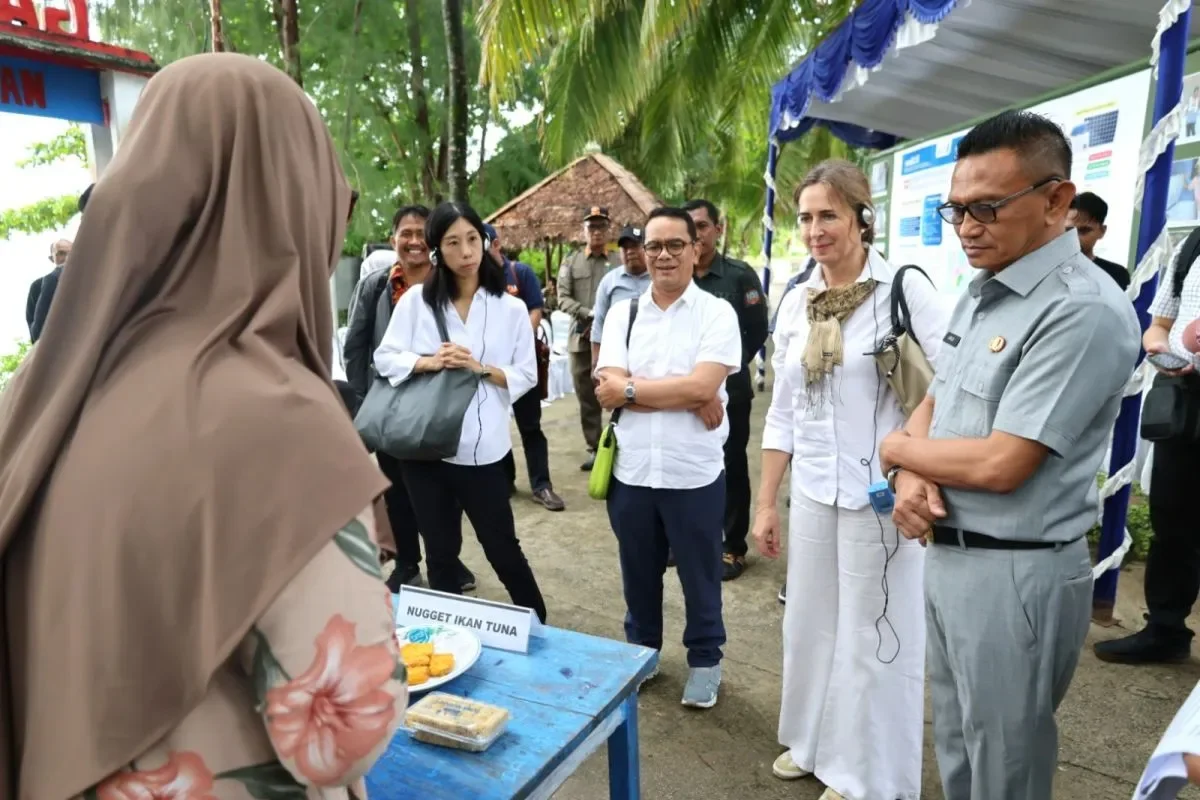
RRI.CO.ID, Jakarta - The governments of Japan and Indonesia, in partnership with the United Nations Development Programme (UNDP), are introducing practical green technology solutions to boost the livelihoods of small-scale fishers and protect marine ecosystems in Morotai, North Maluku.
The initiative, known as Strengthening Livelihood of Small-Scale Fishers and Promoting Sustainable Local Economic Development through the Blue Economy, or “seaBLUE”, aims to address climate change challenges, increase incomes for local fishers, and promote long-term sustainable growth for coastal communities.
“SeaBLUE demonstrates how strong partnerships can create tangible change for coastal communities,” said UNDP Indonesia’s Representative, Sara Ferrer Olivella, in a statement in Jakarta on Thursday, March 5, 2026, as quoted by Antara.
As part of the project, UNDP, representatives from the Japanese government, and Indonesia’s Ministry of Marine Affairs and Fisheries (KKP) visited Morotai to reinforce their commitment to supporting coastal livelihoods while safeguarding Indonesia’s marine ecosystems.
Funded by Japan and implemented by UNDP and KKP, the project introduces practical technology solutions such as solar-powered fishing boats and cold storage boxes to reduce reliance on expensive fossil fuels, maintain seaweed production, and extend the shelf life of fish catches.
“By working directly with local communities and providing simple technological solutions, fishing families can sustain their livelihoods while minimizing environmental impact,” Sara explained.
The seaBLUE project includes the installation of solar-powered cold storage systems at 17 locations in Morotai, helping reduce spoilage, lower operational costs, and improve fish quality. Each Indonesian rupiah invested in the system is estimated to generate three times its economic value through higher sales prices, reduced losses, and stronger livelihoods for fishers.
The initiative also introduces solar-powered electric engines for boats to cut fuel costs, reduce emissions, and strengthen fisheries management. To improve legal recognition and data accuracy, 230 fishing vessels have been measured and registered in the Regional Vessel Permit Information System (Simkada), giving small-scale fishers official recognition and supporting more effective fisheries governance.
Economic Counselor at the Japanese Embassy in Indonesia, Reiko Kamigaki, emphasized Japan’s ongoing commitment to sustainable development and resilience for Indonesia’s coastal communities. “Strengthening sustainable fisheries is crucial for food security, economic stability, and the long-term health of our oceans,” she said.
Head of the Center for Marine and Fisheries Extension at the Ministry of Marine Affairs and Fisheries, Yayan Hikmayani, highlighted that as the world’s largest archipelagic nation, Indonesia’s future growth relies on a strong and sustainable marine food sector. “Through seaBLUE, the ministry fully supports small-scale fisheries by investing in human resource development, continuous training, and advisory services for coastal communities,” Yayan said.
To date, hundreds of local residents have participated in training under the seaBLUE project, with fisheries extension officers ready to assist communities in achieving sustainable livelihoods, increasing productivity, and ensuring long-term resilience. ***
News Recomendation
Loading latest news.....