



Indonesia Urged to Step Up Mediation Amid Escalating Iran-US-Israel Conflict
- 04 Mar 2026 06:29 WIB
- Voice of Indonesia
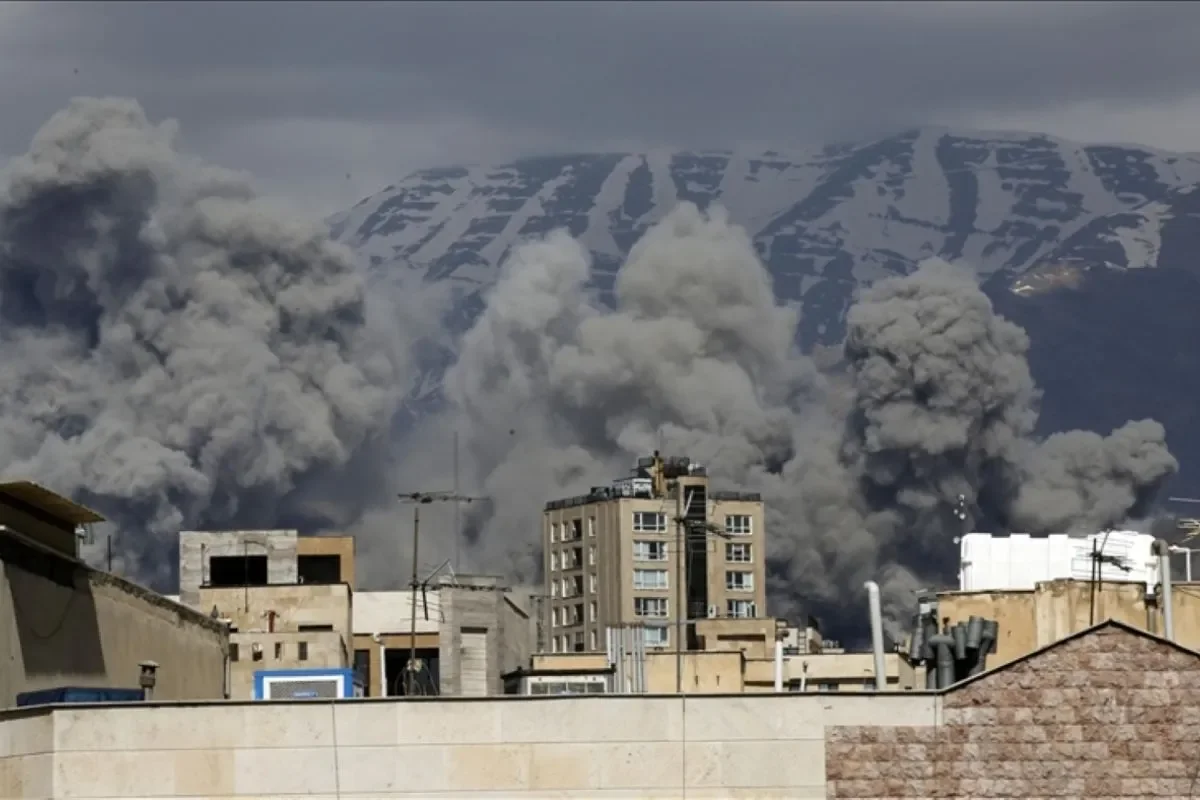
RRI.CO.ID, Jakarta - The closure of the Strait of Hormuz has sent shockwaves through global trade and energy markets, prompting experts to call for Indonesia to play a more active diplomatic role in easing tensions between Iran, the United States, and Israel.
Middle East analyst Syaroni Rofii of the University of Indonesia (UI) argued that Jakarta could position itself as a credible mediator if the warring parties place trust in Indonesia’s neutrality.
“If there is mediation, perhaps Iran could exercise restraint. Peace is possible when trust exists,” he said in Jakarta on Tuesday, March 3, 2026, as quoted by Antara.
The conflict intensified on February 28, when US and Israeli forces launched strikes against Iran. Tehran retaliated by targeting American military bases in the Middle East and shutting down the Strait of Hormuz, leaving hundreds of oil tankers stranded.
Syaroni warned that prolonged disruption could push global oil prices even higher, noting they have already reached 70 US dollars (IDR 1.1 million) per barrel. “Indonesia has a direct interest in ensuring oil prices remain under control, and the way to achieve that is by stopping the war,” he said.
He suggested Indonesia could leverage platforms such as the Board of Peace (BoP), the Organization of Islamic Cooperation (OIC), and the United Nations to build consensus. “The BoP includes both Israel and the US. Indonesia can also rally support from OIC members, including major exporters like Saudi Arabia and the UAE,” he added.
International relations expert Andrea Azzqy of Budi Luhur University highlighted the economic fallout, stressing that the Strait’s closure has driven up logistics costs. He urged Indonesia and other oil-importing nations to diversify energy supplies, strengthen reserves, and reduce reliance on LNG and crude imports from the Gulf.
“Fiscal policies such as targeted subsidies and inflation control are key to maintaining domestic stability, while energy diplomacy must advance alongside alternative production,” Andrea explained.
He underscored that the crisis is no longer confined to the Middle East. “The attacks on Iran and the closure of Hormuz are a direct blow to global trade. Energy promotion must go hand in hand with peace efforts, otherwise Southeast Asian economies dependent on oil imports risk collapse,” he sadi.
Meanwhile, Iran’s Ambassador to Indonesia, Mohammad Boroujerdi, reaffirmed Tehran’s stance that security in the Strait of Hormuz should be universal. “If they expect safety in Hormuz and the surrounding region, then that security must apply to all nations. If they want peace, so do we,” he said on Monday. ***
News Recomendation
Loading latest news.....