



World Wildlife Day 2026, Discovering the World's Medicinal and Aromatic Plants
- 03 Mar 2026 11:10 WIB
- Voice of Indonesia
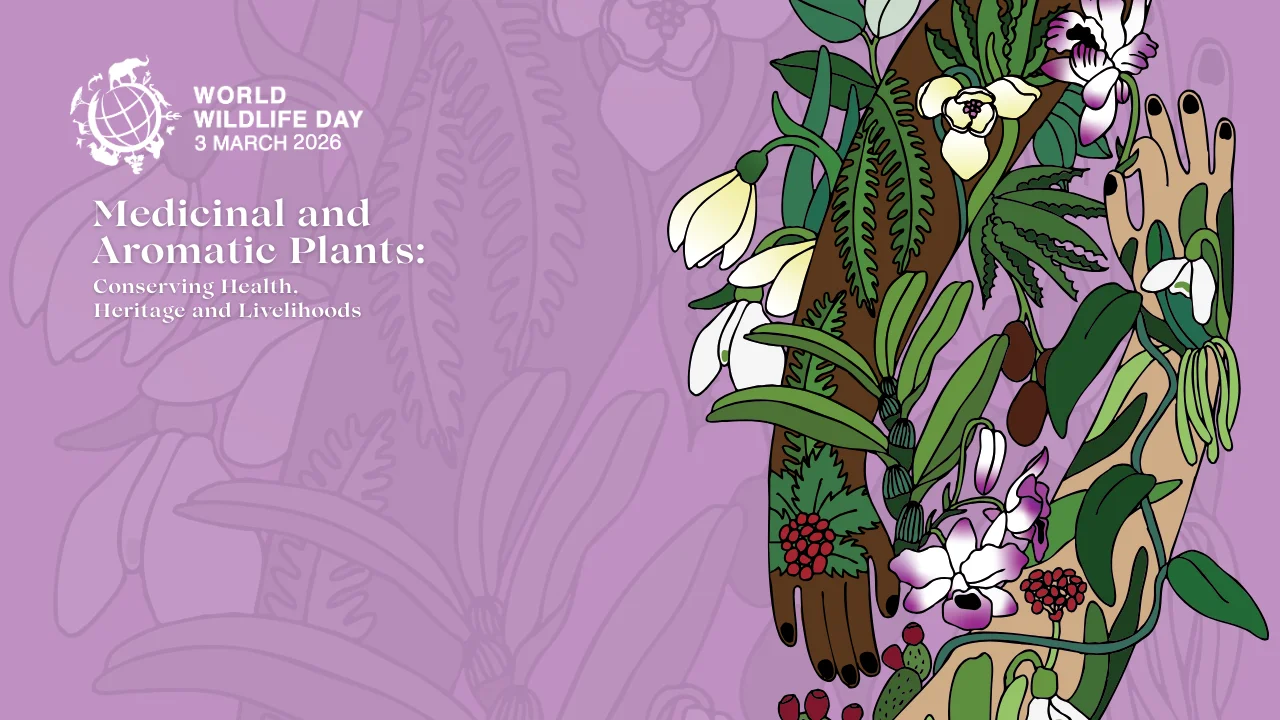
RRI.CO.ID, Jakarta - March 3 is celebrated annually as the World Wildlife Day to raise global awareness of the world’s wild animals and plants and the urgent need to protect them. World Wildlife Day was established by the United Nations to mark the adoption of the Convention on International Trade in Endangered Species of Wild Fauna and Flora (CITES) on 3 March 1973.
CITES is the only treaty to ensure that international trade in plants and animals does not threaten these species’ survival in the wild.
On the United Nations website, it is stated that World Wildlife Day is an opportunity to celebrate the many beautiful and varied forms of wild fauna and flora, to raise awareness of their many benefits to reminds us of the urgent need to step up the fight against wildlife crime and human-induced reduction of species, which have wide-ranging economic, environmental and social impacts.
This 2026 the theme of the international day, “Medicinal and Aromatic Plants: Conserving Health, Heritage and Livelihoods”, highlights the vital role of these plants in sustaining human health, cultural heritage, and local livelihoods, and showcases the growing pressures they face from habitat loss, overharvesting, and climate change.
The observance will also explore the challenges encountered by Indigenous peoples, rural communities, governments, and conservation partners, and the collaborative actions needed to ensure that these plants are conserved and used sustainably for future generations to continue benefitting from them.
Medicinal and aromatic plants (MAPs) are essential for both human health and ecological balance. They are widely used for treating illnesses, with many populations, especially in developing countries, relying on them for primary healthcare. The World Health Organization acknowledges their importance, as many pharmaceutical compounds originate from MAPs.
MAPs support ecosystems by stabilizing soil and aiding pollinators, but face threats from habitat destruction, overharvesting, and illegal trade. The conservation and sustainable trade of MAPs are essential for achieving global biodiversity goals, including sustainable use, ecosystem restoration, and the involvement of Indigenous communities in conservation efforts. Ensuring sustainability and strengthening regulations are critical to their survival.
In a statement quoted on wildlifeday.org, Inger Andersen, Executive Director of the United Nations Environment Program encouraged all people to continue to raise awareness, strengthen knowledge and support action that protects these plants for future generations. Because when we conserve medicinal and aromatic plants, we're protecting nature's pharmacy and our shared future.
News Recomendation
Loading latest news.....