



Ramadan in the Holy Land: Indonesian and Saudi Arabian Traditions
- 26 Feb 2026 14:19 WIB
- Voice of Indonesia
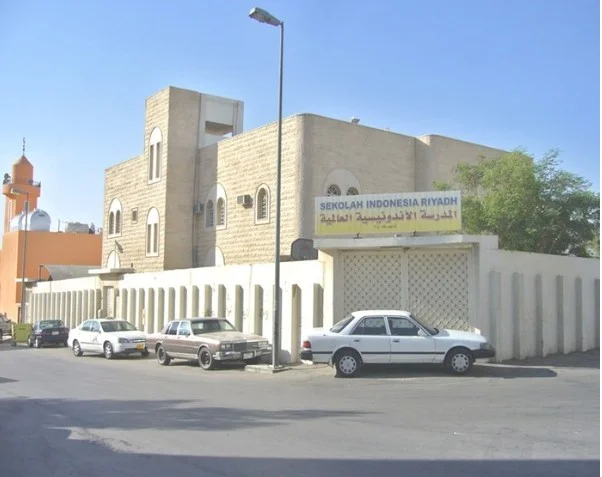
RRI.CO.ID, Riyadh – Ramadan in Saudi Arabia offers a different experience for Indonesian people who reside there. Muhammad Wahyu, an Indonesian citizen, who has lived in Riyadh for more than six years, feels the difference.
He is a teacher at the Indonesian Overseas School who observes Ramadan with his family, while also witnessing the differences in traditions between Indonesia and Saudi Arabia in welcoming the holy month.
He has observed how the atmosphere of Ramadan in Saudi Arabia shares similarities with, yet also differs from, that in Indonesia. The spirit of welcoming the holy month remains present, though expressed through different traditions.
“In Indonesia, the atmosphere of Ramadan is very visible. In some areas, especially in villages, people work together or hold community service activities such as cleaning drainage canals, cleaning mosques, and installing street lights. So, the atmosphere feels lively. In Saudi Arabia, there is also a Ramadan atmosphere, but it does not involve the general public. There are officers from the ministry in Saudi Arabia, so everything is handled professionally and does not involve the community,” Wahyu said.
In Indonesia, communities are directly involved in mutual cooperation and neighbourhood celebrations. In Saudi Arabia, preparations for Ramadan are carried out by official personnel appointed by the government. Meanwhile, for Indonesians in Riyadh, welcoming Ramadan is also marked by shared spiritual activities.
He also described another difference in welcoming Ramadan in Riyadh, where Indonesian migrant workers and expatriates organize group umrah trips by traveling together in convoy via land transportation.
“The striking difference between Indonesia and Saudi Arabia is that where I live in Riyadh, when we welcome Ramadan, we gather with fellow expatriates or Indonesian migrant workers. Among us, including fellow teachers, we organize group umrah trips in convoy by land vehicles, and we perform umrah together,” he said.
The differences between Ramadan in Indonesia and Saudi Arabia can also be seen in the form of celebration. In Indonesia, there are ta’aruf parades and torch parades, while in Saudi Arabia the atmosphere is more centered on acts of worship.
The tradition of breaking the fast in Saudi Arabia also has its own uniqueness. The government and mosque authorities provide iftar meals, including Middle Eastern specialties as the main dishes.
“Here, there is a special dish called syurbah porridge. Surbah is like porridge made with wheat, chicken, and various spices, similar to soup. It is a typical Saudi dish, even common in the Middle East. Usually, when breaking the fast, it is one of the mandatory dishes served in Saudi Arabia. As for communal iftar, it is prepared by the government, and the general public cannot freely provide it because everything is registered and regulated by the authorities,” he conveyed.
During Ramadan, the rhythm of life in Saudi Arabia adjusts. Working hours and school hours become shorter, while worship activities increase at night. Observing Ramadan in Saudi Arabia also presents its own challenges, particularly related to weather differences and the availability of Indonesian specialty foods.
“Here, besides the extreme heat and cold, the humidity is very low, so we easily become dehydrated or dry. Our lips crack easily and we feel thirsty more quickly. In Indonesia, the climate is humid and it often rains, but here it rarely rains,” he said.
Despite differences in traditions and weather challenges, the Indonesian community in Saudi Arabia continues to maintain togetherness through communal iftar gatherings and open-air meetings. For Indonesian people living there, this moment becomes an opportunity to strengthen their worship while preserving family bonds and community ties abroad. (Nurkamilah)
News Recomendation
Loading latest news.....