



Ramadan in the Student City of "Groningen": Preserving Faith Amid Dutch Society
- 26 Feb 2026 13:46 WIB
- Voice of Indonesia
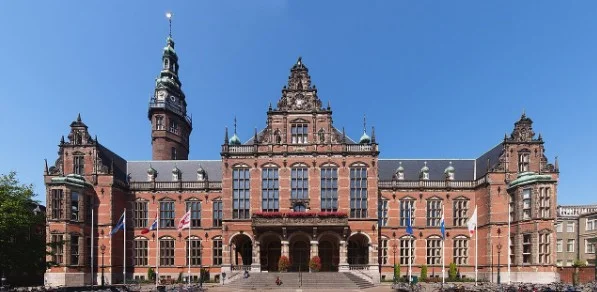
RRI.CO.ID, Groningen – At the northern tip of the Netherlands lies a city called Groningen. It is the capital of Groningen Province and is located about two and a half hours from Amsterdam.
With a population of around 200,000 people nearly 30 percent of whom are students Groningen is widely known as a student city. Lisna Rahayu, an Indonesian citizen from Bandung, West Java, made the statement to RRI Voice of Indonesia on Thursday, 26 February 2026.
Lisna also said that in this city, she is pursuing her doctoral studies in Urban and Regional Planning. She has lived in Groningen for eleven years and observes Ramadan amid a multicultural society.
“Groningen is approximately 2.5 hours from Amsterdam. The city is very conducive neither as crowded as Amsterdam nor too quiet. The population is relatively small, around 200,000 residents, and nearly 30 percent of them are students. So Groningen can truly be described as a student city and one of the study destinations in the Netherlands,” Lisna stated.
Groningen is home to the University of Groningen, which was founded in the 17th century. The well-organized urban environment, extensive cycling lanes, and multifunctional green open spaces create a supportive atmosphere for studying and living.
In this city, there are four Muslim communities that serve as centers for worship: the Moroccan, Turkish, Surinamese, and Indonesian Muslim communities. The Indonesian Muslim community is organized under an association called The Gromis, which serves as a platform for religious and social activities for Indonesians in Groningen.
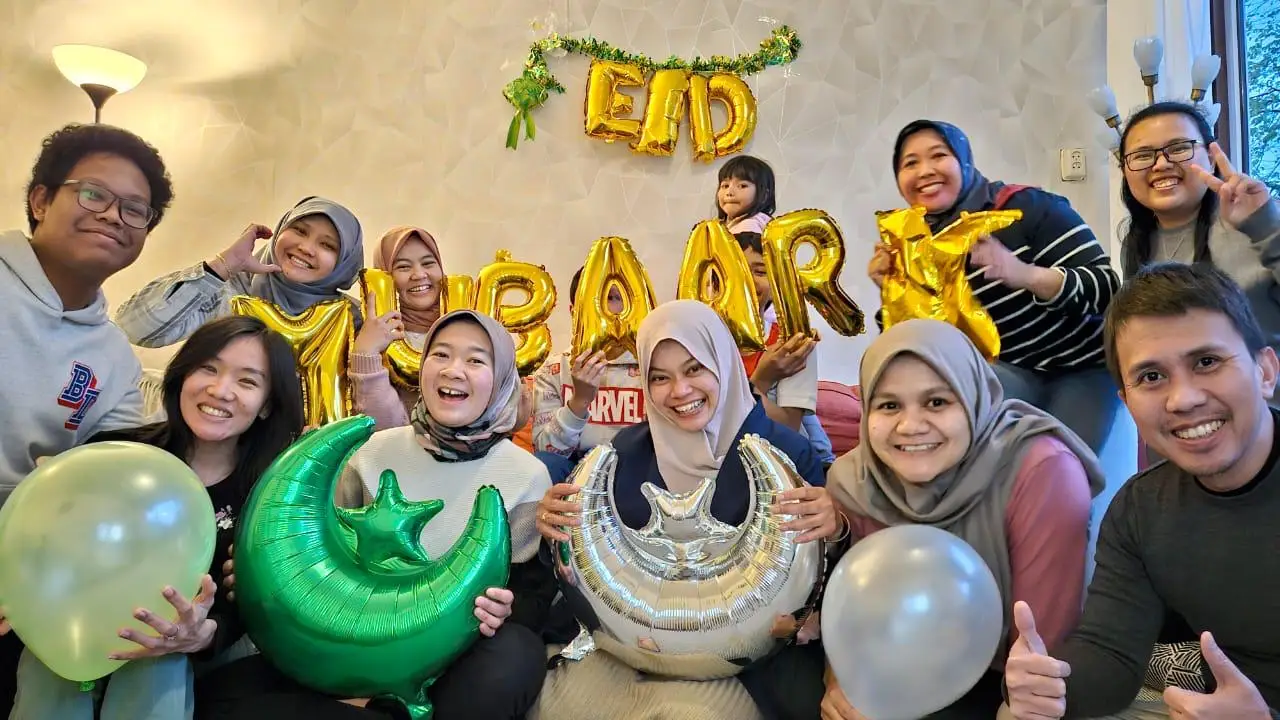
“The Gromis grew out of the enthusiasm of newcomers. Every year, people come and go in Groningen. In my view, this community is very positive. Personally, as a newcomer here, I have benefited greatly from The Gromis. So I am very grateful to the founders of this community in year of 2000, many of whom have since returned to Indonesia. For events like Eid al-Fitr, The Gromis usually facilitates by renting a large hall. Indonesians here are very united—we usually hold a potluck, each bringing food to share after the Eid prayer. During Ramadan, there are always many activities to join, such as communal iftar gatherings, Qur’an recitation sessions, children’s religious classes, and congregational Eid prayers,” she said.
Although the number of Muslims in the city is relatively small, religious observances continue. Turkish and Moroccan mosques hold nightly tarawih prayers. Meanwhile, the Indonesian Muslim community in Groningen do not yet have its own mosque. Indonesian mosques are currently found only in larger cities such as The Hague and Utrecht.
Ramadan in the Netherlands also differs from Indonesia, particularly in terms of atmosphere and the signal for breaking the fast.
“Another difference here is that there is no call to prayer broadcast from the mosques. In Indonesia, people usually wait for the adhan from the mosque or television to break their fast. If you’re stuck in traffic, you can at least hear the adhan on the radio. Here, we simply check the timetable; we don’t wait for the call to prayer. And perhaps the overall atmosphere is different as well,” she mentioned.
In Indonesia, Ramadan is often associated with ngabuburit (waiting for iftar in the late afternoon) and the abundance of ta’jil (light snacks for breaking the fast) that are easily found. In Groningen, however, the atmosphere is much calmer. Academic and professional activities continue as usual. Interactions with colleagues and students from various countries are part of the Ramadan experience in this student city.
“As an Indonesian living in the Netherlands, observing Ramadan becomes both a special and challenging moment. Daily activities remain the same, we still have to cycle to campus and work normal hours. Besides that, it is also a test to explain to friends here that I am fasting,” she said.
Amid the city’s calm atmosphere and open-minded society, Ramadan in Groningen is observed at a different rhythm compared to Indonesia. Community iftar gatherings and cross-cultural encounters become integral parts of the experience.
The longing for the lively atmosphere of hunting for ta’jil and gathering with extended family back home remains present. Yet Ramadan in this student city also offers valuable lessons about diversity, dialogue, and togetherness while living abroad. That concludes this edition of Ramadan Abroad from Groningen, the Netherlands. See you in the next Ramadan story. (Nurkamilah)
News Recomendation
Loading latest news.....