



Indonesia Steps Up Protection for Migrant Workers in Central Africa
- 12 Feb 2026 09:39 WIB
- Voice of Indonesia
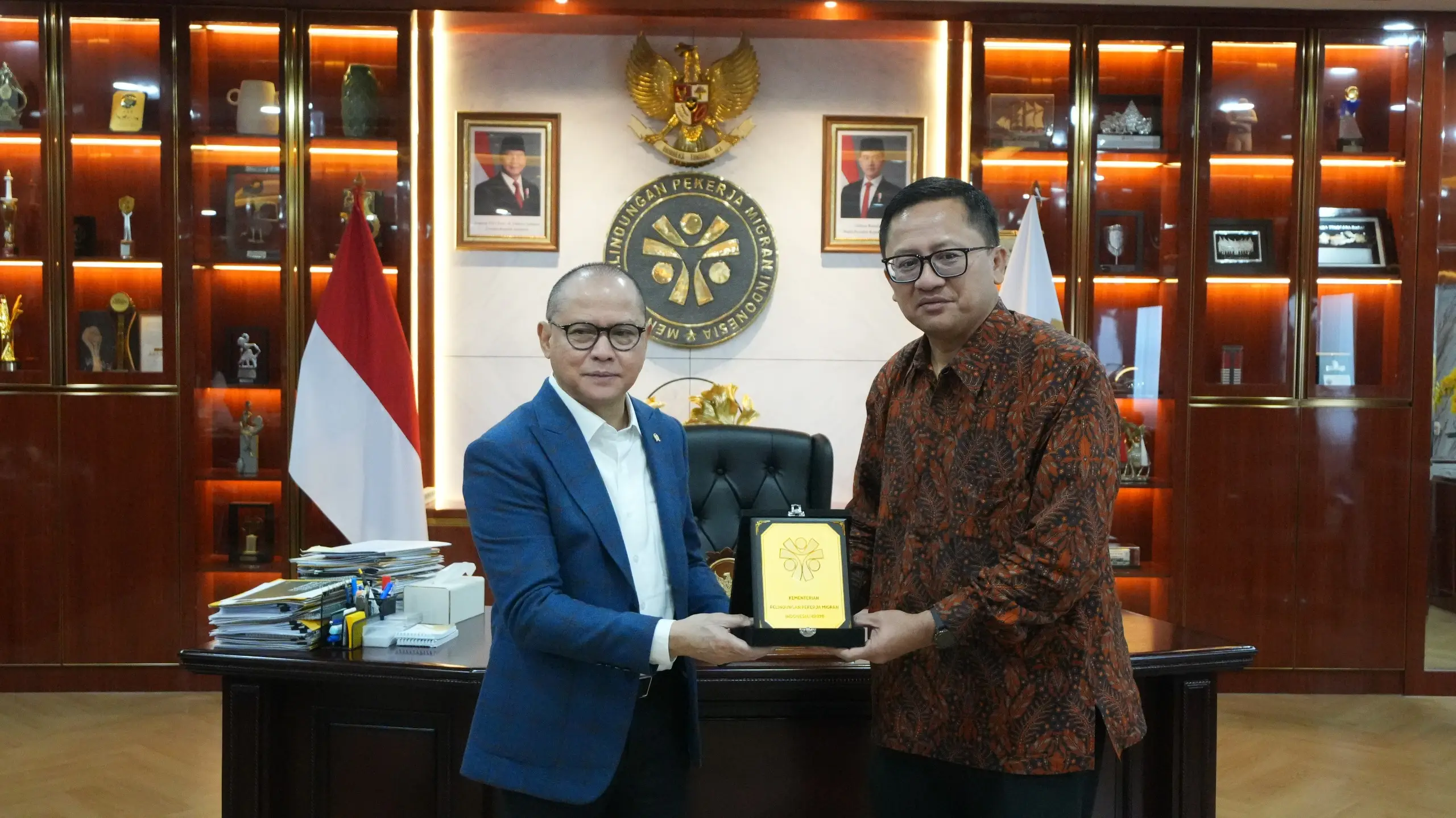
RRI.CO.ID, Jakarta - Indonesia is stepping up efforts to protect hundreds of its nationals working deep inside Central Africa’s timber and fisheries sectors, after uncovering cases of piracy, labor exploitation and unpaid medical bills involving migrant workers in remote areas.
The issue was discussed during a strategic meeting between Indonesia's Migrant Workers Protection (P2MI) Minister Mukhtarudin and Indonesia’s Ambassador to Cameroon, Agung Cahaya Sumirat, at the P2MI Ministry office in South Jakarta on Wednesday, February 11, 2026.
The Indonesian Embassy in Yaoundé oversees not only Cameroon but also the Republic of Congo, Chad, Gabon, Equatorial Guinea, and the Central African Republic.
In his report, Ambassador Agung revealed that hundreds of Indonesians have been identified working in the timber industry, from upstream logging to furniture production, in remote forest areas of Gabon and the Republic of Congo.
Around 800 Indonesians have been recorded in Gabon and 300 in the Republic of Congo, though the actual number is believed to be significantly higher due to a lack of cooperation from some companies in reporting worker data.
“Our skilled workers have technical abilities that are unmatched there, especially in processing wood into furniture. Foreign companies greatly appreciate their skills, but unfortunately, legal and health protection aspects are often neglected,” Ambassador Agung said, as quoted on the P2MI Ministry's official website.
The embassy is currently handling several serious cases, including the kidnapping of four Indonesian nationals working in the fisheries sector who are being held hostage by pirates in Gabon.
The embassy has adopted what Agung described as a “low-profile” diplomatic approach and is coordinating with the Chinese Embassy to pressure the company involved to meet the company's compensation demands without direct government intervention, to avoid escalating the situation.
In another case, seven Indonesian migrant workers in Equatorial Guinea were rescued after working without formal contracts and using only visit visas, with their wages reportedly determined unilaterally by the employer. Agung added that many workers lack clear employment contracts, leading to wage exploitation and unpaid hospital bills that, in some cases, have reached hundreds of millions of rupiah.
He also noted bureaucratic challenges in the region, where several national leaders are over 90 years old, affecting the pace of diplomatic and administrative processes.
Responding to the report, Minister Mukhtarudin emphasized that the Indonesian government would not differentiate between procedural, non-procedural, or undocumented migrant workers when providing emergency protection.
“We need the data immediately for tracking, because no matter what, we are the government. Whether they left through official procedures, non-procedural channels, or even illegally, if there is a problem, the state must be present,” the Minister said.
Minister Mukhtarudin instructed his ministry to immediately conduct data tracking and profiling to map departure patterns of Indonesian workers to Central Africa. He highlighted that many migrant workers depart independently, without job order verification from Indonesian embassies, making it easier for employers to disregard international labor standards, including those set by the International Labour Organization.
To mitigate future risks, the P2MI Ministry and the Indonesian Embassy in Yaoundé agreed to synchronize data from the government’s citizen protection portal with departure data from key migrant-sending regions such as Kalimantan, Sulawesi, and East Java.
The minister also called for stronger coordination between thecentral government and regional administrations to monitor informal “person-to-person” recruitment channels that often lead to undocumented placements.
The Minister said the effort is aimed not only at resolving ongoing cases but also at building a system capable of detecting illegal recruitment patterns early to prevent similar problems from recurring. ***
News Recomendation
Loading latest news.....