



World Day to End Fishing Calls to Terminate Animal Suffering
- 30 Mar 2025 01:12 WIB
- Voice of Indonesia
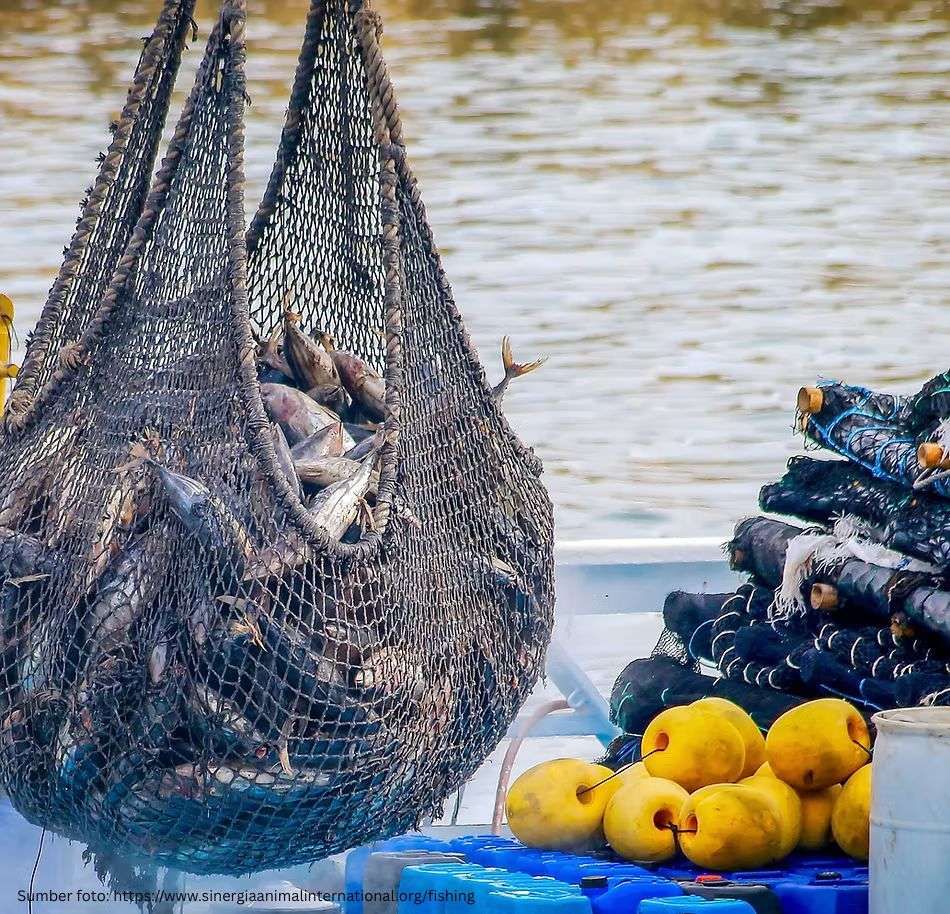
KBRN, Yogyakarta: On March 29, 2025, the world commemorated the World Day for the End of Fishing and Fish Farming (WoDEF), a crucial moment for global activists to raise awareness about the suffering of billions of aquatic animals.
The fishing and aquaculture industries, intended to be sustainable food sources, have turned into a nightmare for fish and other marine animals. They endure inhumane treatment, unsustainable practices, and massive environmental destruction.
Global data reveals a horrifying scale of exploitation: each year, approximately 1.1 trillion to 2.2 trillion wild fish are caught, while 124 billion farmed fish are killed for human consumption.
Their deaths often involve unimaginable suffering, including live dissection, suffocation, and painful killing methods. Furthermore, fish and shrimp farming forces these animals to live in crowded conditions, lacking oxygen, and vulnerable to diseases.
The United Nations (UN) highlights the severe threat to marine ecosystems due to overexploitation and illegal fishing practices. About two-thirds (64 percent) of the world's fish stocks are overexploited, and 23 percent are fully exploited.
This means fish are being caught faster than their ability to reproduce and replenish their populations.
Discussions on animal welfare and the environmental crisis rarely emphasize the exploitation of aquatic animals. Yet, large-scale fisheries significantly accelerate overfishing, disrupt marine ecosystem balance, and drive species extinction.
Unsustainable fish farming practices also damage ecosystems and disrupt biodiversity balance. The fishing industry directly contributes to large-scale marine pollution.
Investigations into the Great Pacific Garbage Patch reveal that 46 percent of the world's largest floating debris comes from fishing nets, with much of the rest also linked to the fishing industry. Annually, approximately 600,000–800,000 tons of lost or abandoned nets pollute the oceans.
These plastic nets take up to 600 years to decompose and continuously release harmful microplastics. Consequently, over 100,000 whales, dolphins, seals, and turtles die from entanglement in abandoned fishing gear each year.
Fish farming generates substantial waste that pollutes water bodies, including fish feces, leftover feed, and toxic chemicals like antibiotics and pesticides. Shrimp and fish farms often result in the destruction of mangrove forests, which serve as natural carbon sinks and vital habitats for coastal biodiversity.
In honor of this year's WoDEF, 190 organizations worldwide united to highlight the harmful effects of fishing and fish farming industries.
In Indonesia, Animal Friends Jogja (AFJ) held a talk show with Love Jogja FM on March 26, 2025, discussing the realities of fishing industry and exploring more ethical and sustainable alternatives.
Wahyu Eka Styawan, Director of WALHI East Java, expressed his concern about unsustainable fishing practices in the northern waters of Java.
"Fish exploitation through overfishing, especially with unsustainable methods like trawling, catches immature fish, damages coral reefs, and disrupts Java's coastal ecosystems," Wahyu stated.
As a result, fish populations are declining, migrating, and losing habitats. Coral reef damage and species reduction hinder fish regeneration, threaten the sustainability of marine ecosystems, and create a 'mini apocalypse' in the northern waters of Java, Wahyu added.
Additionally, Lilo Dwi Julianto, an Animal Welfare Advocate from Animal Friends Jogja, emphasized the importance of awareness regarding aquatic animal welfare and urged the government to take concrete action.
"It's time for industries and the government to take real steps to stop fish exploitation and ensure more ethical fishing practices. Without strict regulations and a transition to more sustainable systems, we will only accelerate the ecological crisis that impacts the wider community," he asserted.
The 2025 WoDEF commemoration is a crucial moment to reflect on humanity's relationship with aquatic animals. The decisions we make today will determine the future of billions of living creatures inhabiting the oceans and waters worldwide. ***
News Recomendation
Loading latest news.....