



Researcher Urges Rethink of Hearing Aid Treatment and Rehabilitation
- 22 Sep 2026 11:01 WIB
- Voice of Indonesia
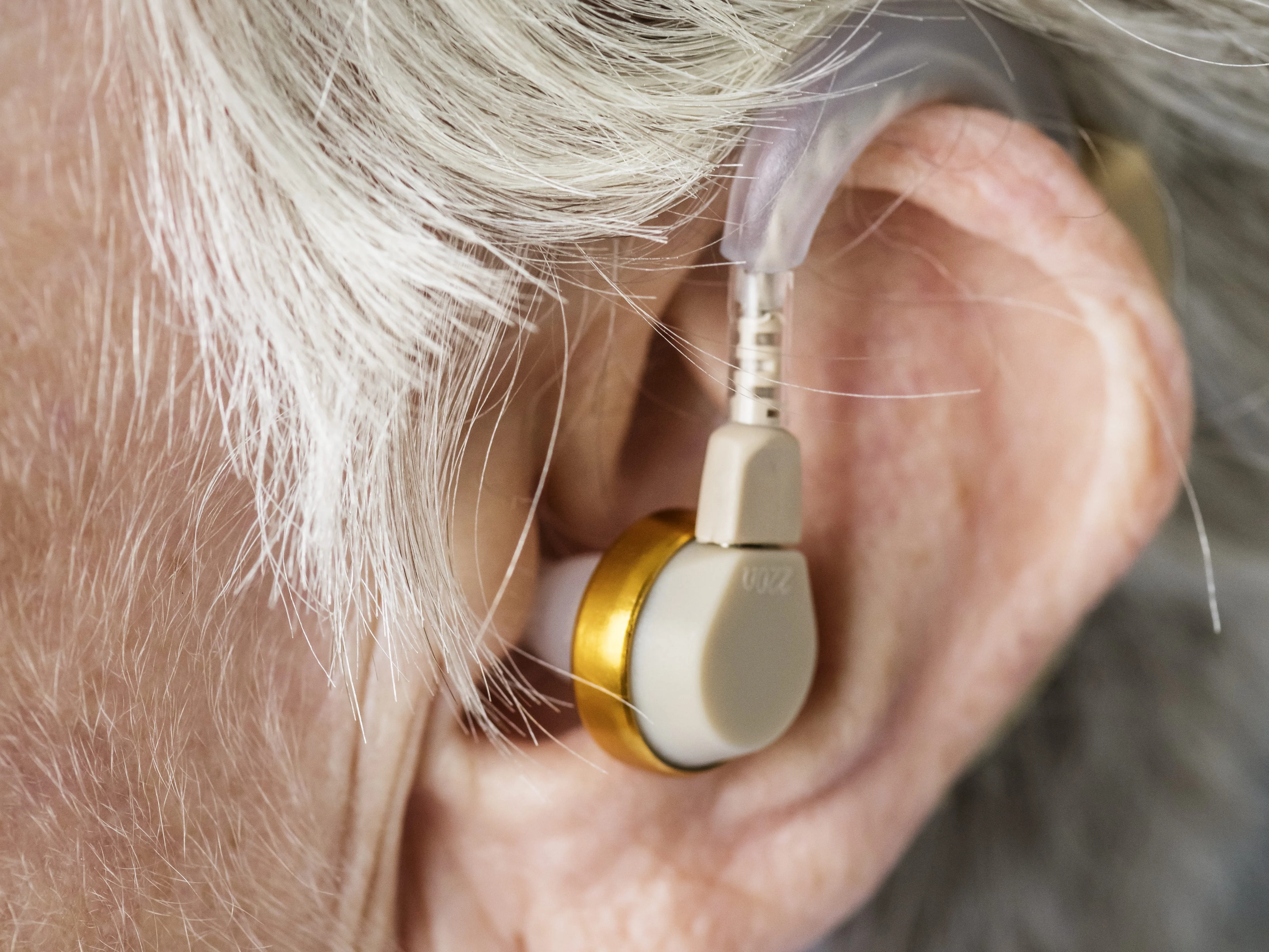
RRI.CO.ID, Jakarta — Getting a hearing aid does not necessarily mean the end of treatment for people with hearing loss, as proper fitting, adjustment and long-term monitoring can determine whether patients actually benefit from the device. Allya Paramita Koesoema, Biomedical Engineering researcher at Bandung Institute of Technology (ITB) on Monday, September 21, 2026, said hearing rehabilitation should be viewed as a continuous process that begins with prevention and screening and continues through diagnosis, intervention and monitoring.
On a webinar held by the National Research and Innovation Agency, she explained that a hearing aid, for example, needs to be properly fitted and verified, particularly for children whose ears are still growing and changing. The researcher explained even adults may experience discomfort if a device does not fit properly,
Patients may also initially find hearing aids uncomfortable, experience excessive noise or ringing, or feel that the device does not provide enough benefit. Paramita said these problems can affect compliance, alongside the quality and fitting of the device.
Long-term monitoring is therefore important to determine whether patients continue using their devices and whether their hearing condition is worsening. In Indonesia, the lack of amount and distribution of proper devices is still a problem, therefore pushing her research team to develop a low cost hearing aid.
Paramita further said the low-cost hearing aid developed by her team is designed to accommodate different patterns of hearing loss by adjusting amplification according to a user’s hearing profile across frequencies. Some people may have relatively good hearing at low frequencies but weaker hearing at high frequencies, while others may experience hearing loss across the entire frequency range.
She explained that improper amplification can cause discomfort and may potentially harm the ear by amplifying frequencies that a user can already hear well. However, people with moderate to severe hearing loss may require more sophisticated programmable devices with higher power that need to be fitted and adjusted by doctors, making them many times more expensive.
To tackle the challenges in the development, she highlighted the need for a collaborative approach involving engineers, healthcare professionals, patients and their families. While doctors can provide diagnosis and treatment, users and families can offer important perspectives on how a device works in everyday life.
“Getting a hearing aid is not the end; the process is actually still a long one,” she stated. To support the treatment of hearing loss, she further stated that the wider healthcare system also plays a role, including referral pathways, healthcare facilities, financing and regulation.
At the webinar, she compared the issue of compliance with lessons from tuberculosis treatment, where patients must follow treatment for an extended period. She suggested that similar approaches could potentially be adapted for hearing aids, including monitoring usage, identifying problems such as ringing in the ears, sending reminders and involving family members when necessary.
“With hearing aids, it can potentially continue for a lifetime,” she said. She stated that long-term support is an important part of hearing rehabilitation rather than an afterthought.
News Recomendation
Loading latest news.....