



Indonesian Pediatric Society Urges Vigilance Over Anak Krakatau Ash Exposure
- 08 Sep 2026 06:41 WIB
- Voice of Indonesia
Key Points
- IDAI warns parents about the health risks of volcanic ash from Mount Anak Krakatau, especially for children.
- Children showing rapid breathing, chest wall retractions, or oxygen saturation below 94 percent must be taken to a healthcare facility immediately.
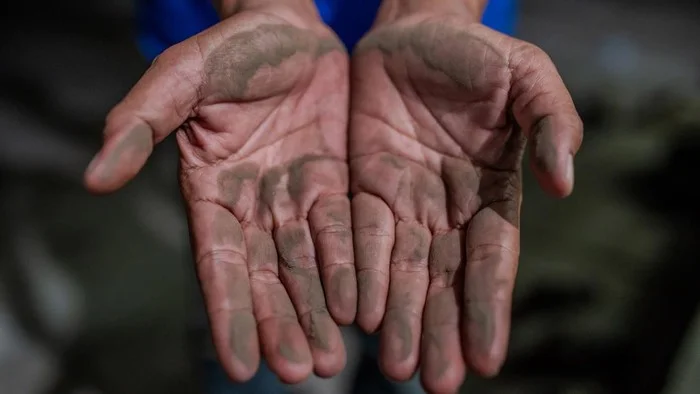
RRI.CO.ID, Jakarta - The Indonesian Pediatric Society (IDAI) is urging parents to remain vigilant about the health risks posed by volcanic ash from Mount Anak Krakatau, particularly for children.
Chairman of the IDAI central board, dr. Piprim Basarah Yanuarso, said children’s safety and health must be the top priority in an emergency situation like this. He stressed that volcanic ash poses a real threat and requires immediate protection and preventive measures.
“Nothing is more important than our children’s lives and futures. We must protect them from the threat of volcanic ash through swift, decisive action. Don’t wait for symptoms to appear. Every breath our children take now is a step toward a healthy future,” dr. Piprim said on Monday, September 7, 2026.
IDAI emphasized that volcanic ash is not ordinary dust. It consists of finely fragmented rock, minerals, and volcanic glass with sharp, abrasive surfaces.
When inhaled, these particles can scratch and irritate the respiratory tract. Volcanic ash may also contain irritating gases such as sulfur dioxide (SO₂) and carbon monoxide (CO), which can worsen irritation and trigger inflammation in children’s airways.
Head of the IDAI Respirology Coordination Unit (UKK), dr. Wahyuni Indawati, said exposure to volcanic ash can trigger various acute respiratory problems.
“The most common symptoms are respiratory irritation, leading to sneezing, coughing, runny nose, and shortness of breath. In children with asthma, allergies, or chronic lung disease, this exposure can trigger acute attacks or exacerbations,” dr. Wahyuni said.
Infants with bronchopulmonary dysplasia and children with congenital heart disease also fall into the high‑risk category.
She reminded parents not to underestimate any symptoms. If a child shows signs of respiratory distress--such as rapid breathing, chest wall retractions, or oxygen saturation below 94 percent--take them to the nearest healthcare facility immediately.
IDAI recommends evacuating children from affected areas to protect them from volcanic ash exposure. If evacuation is not possible, children should remain indoors in a sealed house to prevent ash from entering.
Parents must ensure that the home’s air circulation system does not draw in particles from outside. Turn off air conditioners that intake outdoor air and switch them to recirculation mode. Avoid using electric fans, as they can stir up settled ash particles and cause children to inhale them.
“Remove volcanic ash from your home safely. Keep children away from areas being cleaned. Dry sweeping can redistribute harmful ash particles. Use a wet cloth or wet the floor to prevent dust from becoming airborne,” dr. Wahyuni said.
Children should wear properly fitted masks designed for them when outdoors to filter ash particles. Provide eye protection to prevent irritation. Volcanic ash can also irritate the skin and eyes, so dress children in clothing that covers their skin to minimize direct contact.
After outdoor activities, ensure children clean themselves and change clothes. For children with asthma or airway allergies, keep routine and emergency medications readily available.
Avoid exposing children to indoor smoke, such as cigarette smoke or cooking fumes, which can worsen irritated airways. Ensure children drink enough water to prevent dehydration, as it can aggravate symptoms.
Children should consume a nutritionally balanced diet. Proper nutrition is essential for maintaining immunity amid air pollution caused by volcanic ash. (Misni Parjiati)
News Recomendation
Loading latest news.....