



Indonesia, Japan, Malaysia Enhance Research on Biodiversity-Based Drugs
- 04 Agt 2026 18:32 WIB
- Voice of Indonesia
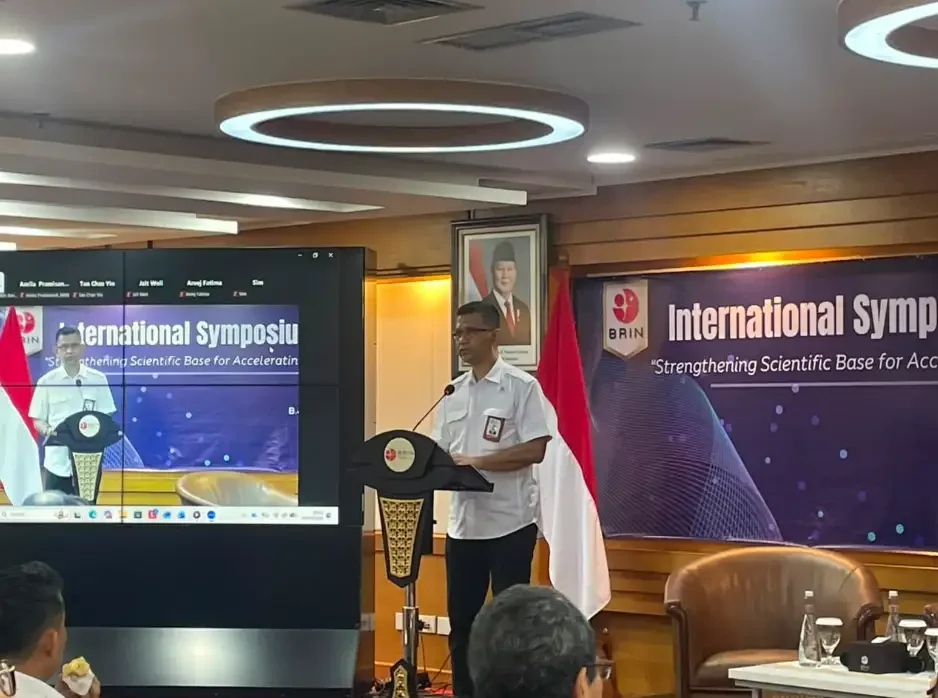
RRI.CO.ID, Jakarta - The National Research and Innovation Agency (BRIN) and the Japan International Cooperation Agency (JICA) held an international symposium to accelerate the development of drugs for infectious diseases based on Indonesia's biodiversity. The event, titled the International Symposium on Drug Discovery and Development, took place in Jakarta on Tuesday, July 4, 2026, and brought together researchers from Indonesia, Japan, and Malaysia.
The symposium was part of a trilateral collaborative project called SATREPS, which focuses on anti-infective drug development, from optimizing leading compounds to preclinical safety testing. The project is supported by the Japan Agency for Medical Research and Development (AMED) and has been running for a decade as a long-term research partnership between the three countries.
The Deputy Head of BRIN, Amarulla Octavian, stated that infectious diseases such as malaria, tuberculosis, dengue fever, and amebiasis remain a global health challenge that is becoming increasingly complex due to climate change and pathogen resistance. He emphasized that Indonesia, as a mega-biodiverse country, has great potential to discover new therapeutic compounds, but requires cross-border research to develop them into viable drug candidates.
Amarulla also highlighted Indonesia's dependence on imported pharmaceutical raw materials, which reaches over 90 percent, making this type of research collaboration crucial for national and global pharmaceutical security. He stated that drug development is a complex process that requires cross-disciplinary and cross-institutional collaboration.
JICA Indonesia Office Senior Representative, Hiroyuki Matsuda, stated that the increasing threat of drug resistance makes the discovery of new drugs increasingly urgent worldwide. He stated that the main challenge is transforming Indonesia's biodiversity into safe, effective, and affordable medicines for the wider community.
SATREPS Program Officer AMED, Manabu Ato, explained that this trilateral project has shown significant progress, both in terms of scientific findings and strengthening the capacity of young researchers in the three countries. He added that the focus of the collaboration is now shifting from the compound discovery phase to optimization and non-clinical safety testing so that research results can be applied effectively.
Through this symposium, the three countries hope to strengthen international research networks and accelerate the translation of local biodiversity into life-saving, globally accessible medicines. This collaboration is projected to become a model for cross-border scientific cooperation in addressing future infectious health crises.
News Recomendation
Loading latest news.....