



Expert, Youth Highlight Growing Impact of Food Marketing on Children
- 24 Jul 2026 17:23 WIB
- Voice of Indonesia
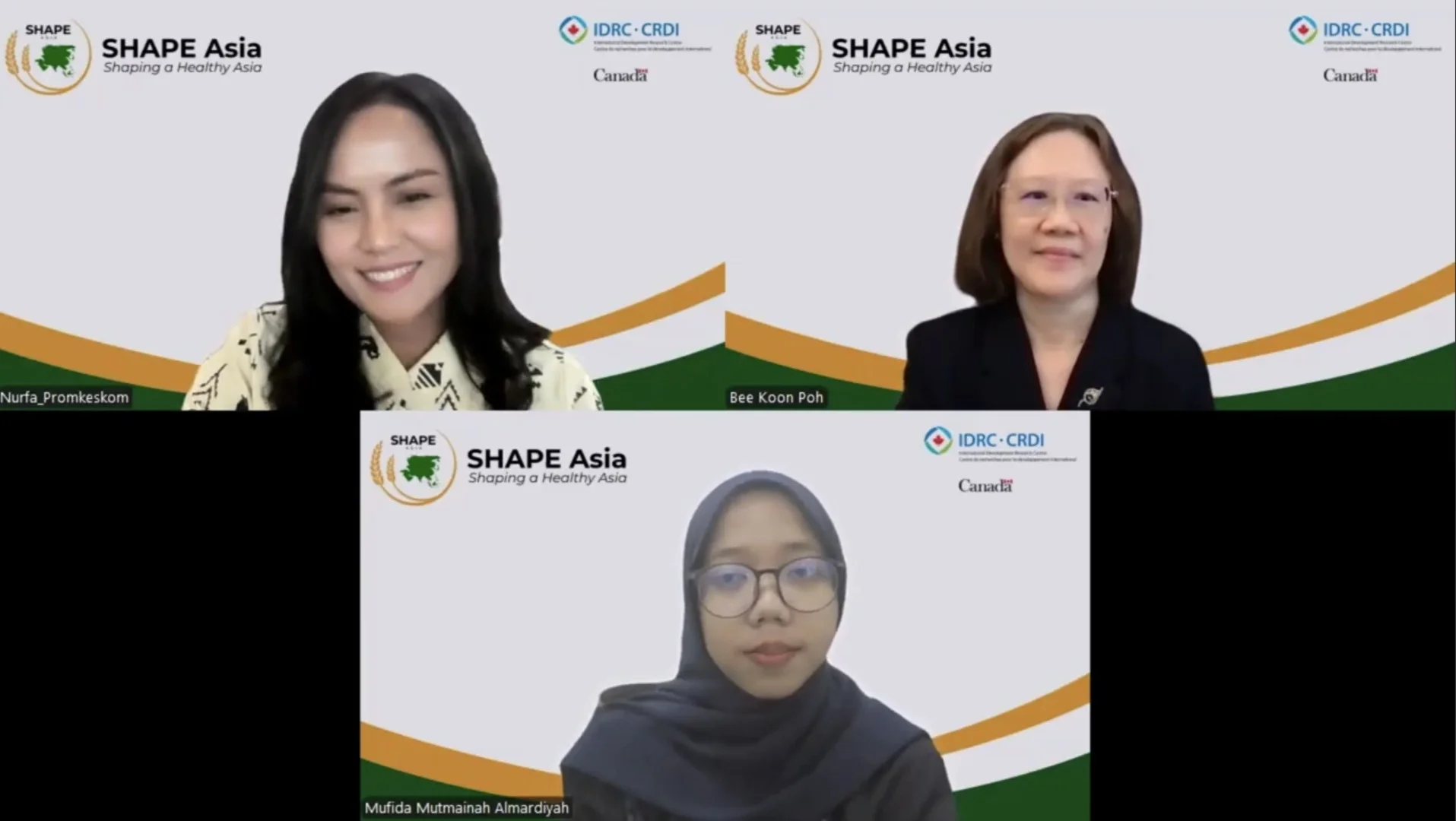
RRI.CO.ID, Jakarta - Children and young people are increasingly influenced by food marketing across digital platforms, raising concerns about unhealthy eating habits. The expert and youth representative say stronger policies and greater health awareness are needed to create healthier food environments.
Speaking on 'The Insight' program commemorating Indonesia's National Children's Day on Thursday, July 23, Prof. Poh Bee Koon of Universiti Kebangsaan Malaysia’s Faculty of Health Sciences said food marketing significantly shapes children's preferences. She warned that advertisements frequently promote products high in sugar, salt, and fat instead of healthier food options.
Prof. Poh explained that children are particularly vulnerable because they cannot fully recognize advertising's persuasive intent while their cognitive abilities continue developing. She added that digital algorithms repeatedly expose children to similar food advertisements, reinforcing unhealthy cravings and consumption habits.
Representing youth, the first winner of the SHAPE Asia Rise Youth Competition, Mufida Mutmainah, acknowledged that food choices among young people are strongly shaped by social media trends. Viral foods shared across TikTok, Instagram, and YouTube often become more appealing than their nutritional value suggests.
Mufida said many young people already have access to nutrition information, but healthy eating often overshadowed amid overwhelming online content. She noted that while some youths check nutrition labels and reduce sugar intake, they remain a minority among their peers.
To address the challenge, Prof. Poh called on the food industry to market products responsibly by providing clear nutrition information and avoiding misleading promotional techniques. She also encouraged companies to reduce the use of cartoons, games, and influencers to advertise unhealthy products to children.
Beyond industry responsibility, she emphasized the importance of stronger government policies alongside active involvement from parents, schools, and school canteens. She said creating healthier food environments requires collective action to ensure children's nutritional needs come before commercial interests.
While Prof. Poh called for stronger policies and responsible food marketing, Mufida stressed that young people also need greater awareness to make healthier food choices despite constant exposure to online food trends. In an era when viral food trends can shape eating habits overnight, both policy action and health literacy will be key to helping the next generation make healthier choices.
News Recomendation
Loading latest news.....