



Indonesia Leads Regional Medical Device Growth with Japan Ties
- 30 Jun 2026 19:23 WIB
- Voice of Indonesia
Key Points
- Indonesia’s medical device industry has advanced with stronger domestic production capacity and deeper regional collaboration through ASEAN–Japan.
- The ASEAN Medical Devices Committee (AMDC) continues to drive harmonization of technical requirements for medical devices across the region.
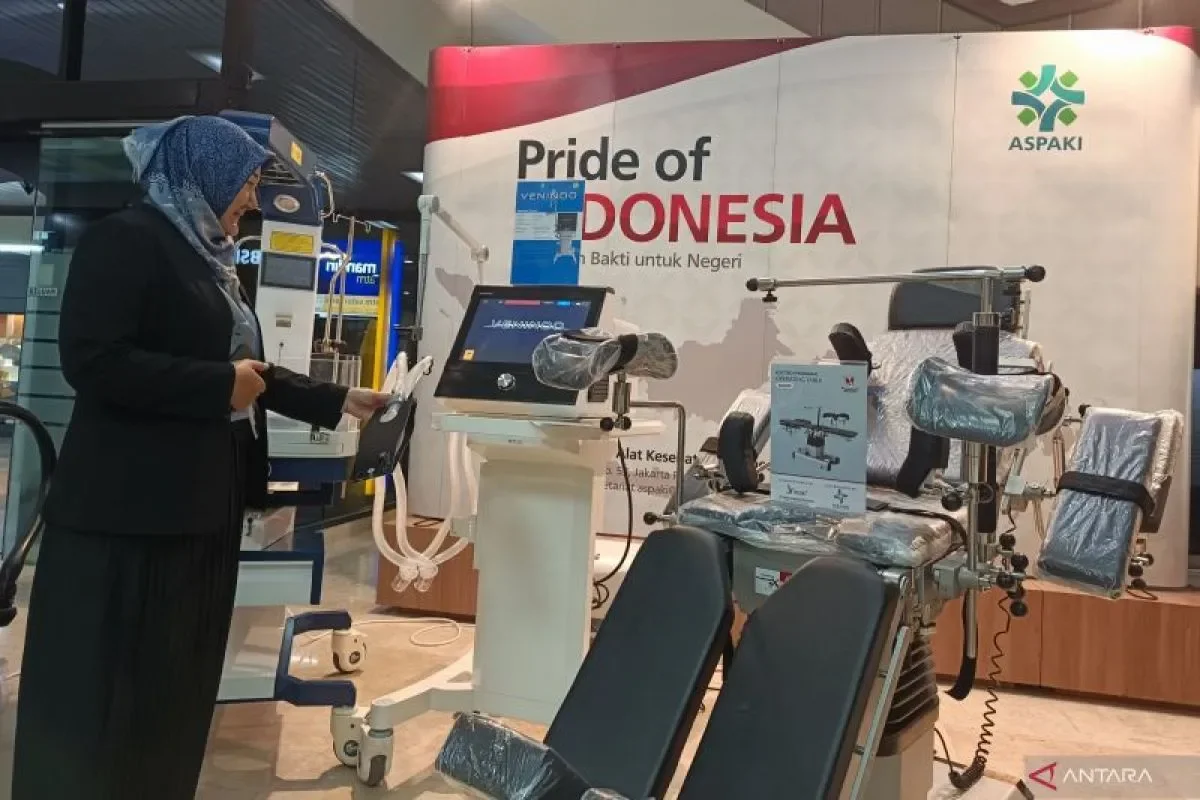
RRI.CO.ID, Jakarta - Indonesia’s medical device industry is expanding, driven by increased production and regional collaboration through ASEAN–Japan. Synergy among government, regulators, universities, and industry is expected to boost innovation and strengthen competitiveness in manufacturing and health technology.
Director General of Pharmaceuticals and Medical Devices at the Health Ministry, Lucia Rizka Andalusia, said the national health transformation has enhanced independence in the medical device industry while reducing reliance on imports.
“In just three years, the local industry has developed endoscopes, including portable models for remote areas. Next year, we will also produce the first locally manufactured CT scanner through technology transfer,” Rizka said at the ASEAN–Japan Medical Devices Regulatory Symposium 2026 in Jakarta on Tuesday, June 30, 2026, as quoted by Antara.
She noted that these steps have had tangible results. By 2025, Indonesia reduced its dependence on imported endoscopes from 100 percent to 84 percent, saving the state up to USD 5.75 million.
Rizka emphasized that development should not stop at import substitution. With a population of more than 680 million and an economic value of USD 3.8 trillion, ASEAN has the potential to transform from a market into a global hub for medical device innovation and manufacturing.
Strengthening this ecosystem is also the focus of the ASEAN–Japan Medical Devices Regulatory Symposium and Seminar, a collaborative program between Japan’s Pharmaceuticals and Medical Devices Agency (PMDA), the Indonesian Health Ministry, and the Faculty of Pharmacy at the University of Indonesia, supported by the Japan–ASEAN Integration Fund (JAIF).
The two-year program provides a platform for information sharing, regulatory capacity building, and discussion of current issues in medical devices and in vitro diagnostics (IVDs), from pre-registration in 2025 to post-market surveillance in 2026.
It also supports harmonization of medical device regulations in ASEAN, enabling faster adoption of innovations while prioritizing patient safety.
PMDA Executive Director Hiraiwa Masaru said harmonization of international standards and regulations is crucial to reducing trade barriers and increasing access to medical technology. He reaffirmed Japan’s commitment to supporting ASEAN in strengthening regulatory capacity and quality management systems to align with global standards.
“Compliance with international regulations and standards helps assess sales. Governments are also responsible for ensuring patient safety through post-market testing and quality control of devices,” Hiraiwa said.
At the regional level, the ASEAN Medical Devices Committee (AMDC) continues to promote harmonization of technical requirements. These efforts are considered vital for accelerating the entry of innovative medical technology into ASEAN countries, while strengthening regulatory authorities and supporting industry growth.
Meanwhile, University of Indonesia Vice Rector for Academic and Student Affairs, Prof. Mahmud Subandriyo, stressed that a strong research ecosystem is essential to support industrial development.
As the event organizer, the University of Indonesia hopes that partnerships among government, regulators, universities, and industry will build a robust regional value chain, ensuring that every advancement in medical technology remains grounded in public safety and quality healthcare services. ***
News Recomendation
Loading latest news.....