



Minister: National Health Security the Foundation for a Developed Nation
- 25 Jun 2026 17:01 WIB
- Voice of Indonesia
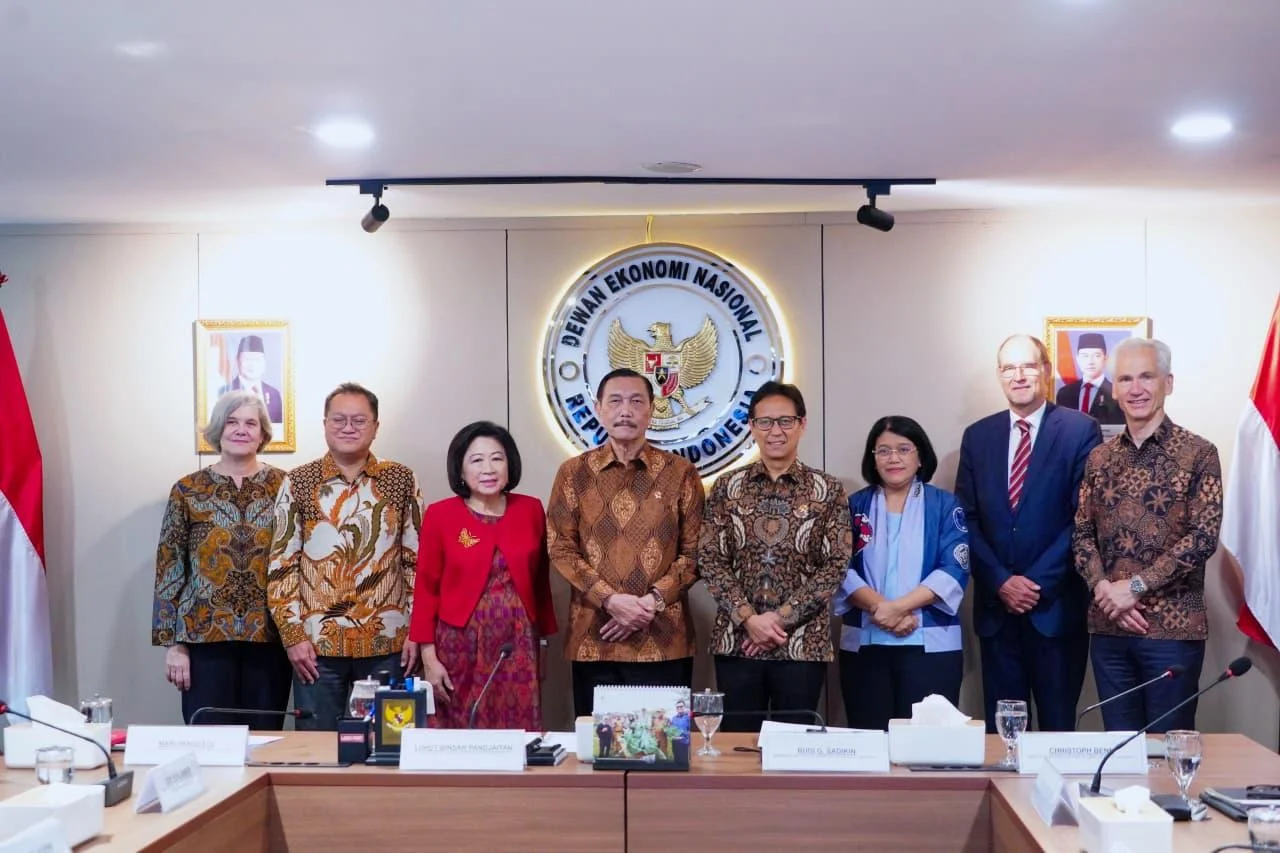
RRI.CO.ID, Jakarta - Indonesia's Health Minister, Budi Gunadi Sadikin, emphasized that building independent national health resilience is no longer merely an option, but an absolute requirement for Indonesia to escape the middle-income trap. He made this statement during a High-Level Roundtable Discussion on Building Regional and Global Health Resilience in ASEAN at the National Economic Council (DEN) Office in Jakarta on Wednesday, June 24, 2026.
"Learning from the COVID-19 pandemic, when a crisis strikes, every country will prioritize protecting its own people. Therefore, a country as large as Indonesia, with a population of 280 million, must have its own health sovereignty, from vaccines to medicines. We can no longer rely solely on the mercy of other countries," said Health Minister Budi.
The Health Minister explained that Indonesia's dependence on imported health products has been successfully reduced. Previously, it was above 90%, but has now dropped to around 70-80%. He stated that the Ministry of Health has facilitated the domestic production of 35 active pharmaceutical ingredients (APIs) to ensure that the process from upstream to downstream truly takes place.
"We want our health spending, which is growing at 12-13% annually, not to be diverted abroad, but to be circulated domestically to create jobs and grow GDP. For example, we are building a blood plasma processing plant in Karawang. The target is that by early 2027, we will be able to produce our own products such as albumin and immunoglobulin, which we have previously imported at high prices," explained Minister of Health Budi.
As part of its regional resilience strategy, Indonesia now has three vaccine companies with production capacity increasing by 60%. Furthermore, Indonesia is also beginning to position itself as a research hub in ASEAN.
Currently, the Ministry of Health is facilitating various important vaccine clinical trials, ranging from TB, malaria, and dengue vaccines to PCV13. The government is also sending experts to participate in biomanufacturing and training on the latest technology platforms (mRNA) at international institutions such as Tsinghua University and Leiden Biotech.
To strengthen the national health defense system, the Ministry of Health has developed the National Action Plan for Health Security (NAPHS) 2025–2029. This plan is supported by funding from the Pandemic Fund to increase capacity for rapid detection and response to outbreaks.
News Recomendation
Loading latest news.....