



Key Points
- Indonesia aims to slash the cost of the Interferon-Gamma Release Assay (IGRA) TB test from IDR 1 million (USD 58.25) to just IDR 50,000 (USD 2.91) through domestic production.
- The initiative is urgent as Indonesia recorded 867,000 diagnosed TB cases in the past year, making affordable diagnostics a cornerstone for national elimination.
- Deputy Health Minister Benjamin Paulus Octavianus highlighted that domestic innovation will significantly reduce the financial burden on state healthcare spending.
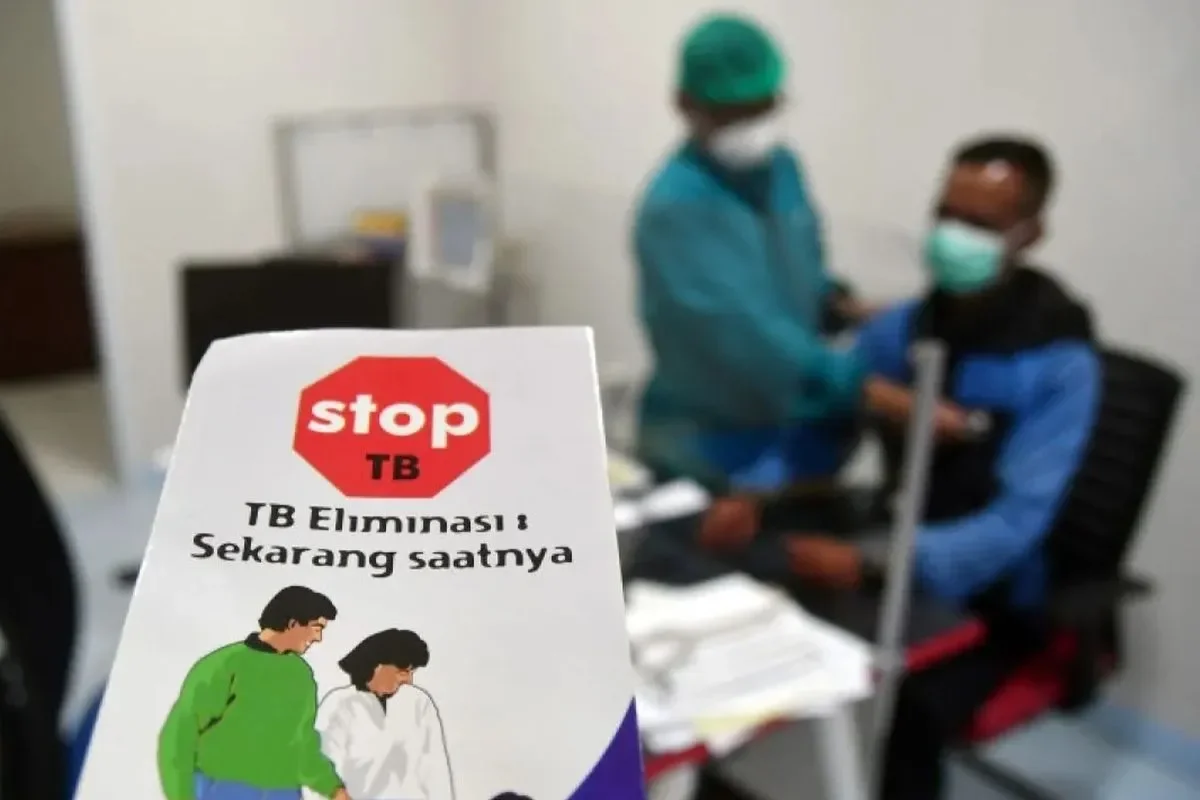
RRI.CO.ID, Jakarta - Indonesia is eyeing a sharp reduction in tuberculosis (TB) diagnostic costs through domestic innovation. This move comes as the Ministry of Health and the Indonesian Drug and Food Authority (BPOM) accelerate the production of local medical devices.
By prioritizing the development of a home-grown Interferon-Gamma Release Assay (IGRA) test, officials aim to slash the price of TB detection from approximately IDR 1 million (USD USD 58.25) to just IDR 50,000 (USD 2.91), potentially saving the state trillions in healthcare spending.
The urgency of this initiative is underscored by the latest Ministry of Health data, which reveals a staggering burden of 867,000 TB cases diagnosed in the past year alone. Deputy Health Minister Benjamin Paulus Octavianus emphasized that making diagnostic technology efficient and affordable is the cornerstone of the national elimination strategy.
"If we can bring the price of the IGRA test down from 1 million to only around 50,000, the impact on state finances will be enormous," said the Deputy Minister during a meeting in Jakarta on Tuesday, April 21, 2026.
Beyond diagnostics, the government is pushing for cross-sector collaboration to ensure these innovations move swiftly from the laboratory to the public. Minister Benjamin specifically requested a unified front to monitor the progress of the IGRA test, calling it a vital tool for the rapid containment of tuberculosis.
He also lauded BPOM’s evolving regulatory landscape, noting that the agency has become significantly more responsive and efficient in facilitating the industrial processes for players like Biofarma.
The push for self-sufficiency extends into the realm of natural resources, where BPOM is advocating for the research and downstreaming of herbal-based medicines. BPOM Head Taruna Ikrar highlighted Indonesia’s untapped potential, noting that of the 40,000 plant species worldwide, roughly 31,000 are found within the archipelago.
"If the country has its own products, why don't we utilize them? With the resources we have, Indonesia should be able to produce its own health solutions," remarked Taruna, as quoted by Antara.
Taruna further explained that the goal is to elevate the status of these natural products beyond standard herbal remedies. By increasing their pharmaceutical value, Indonesia can tap into an economic potential estimated at hundreds of trillions of rupiah annually.
Throughout this acceleration, BPOM remains committed to its role as a safeguard, ensuring that every domestic innovation strictly adheres to international standards of safety, efficacy, and quality before reaching the general population. ***
News Recomendation
Loading latest news.....