



Health Minister Calls for Accelerated Leprosy Screening to Reduce Cases
- 11 Mar 2026 17:23 WIB
- Voice of Indonesia
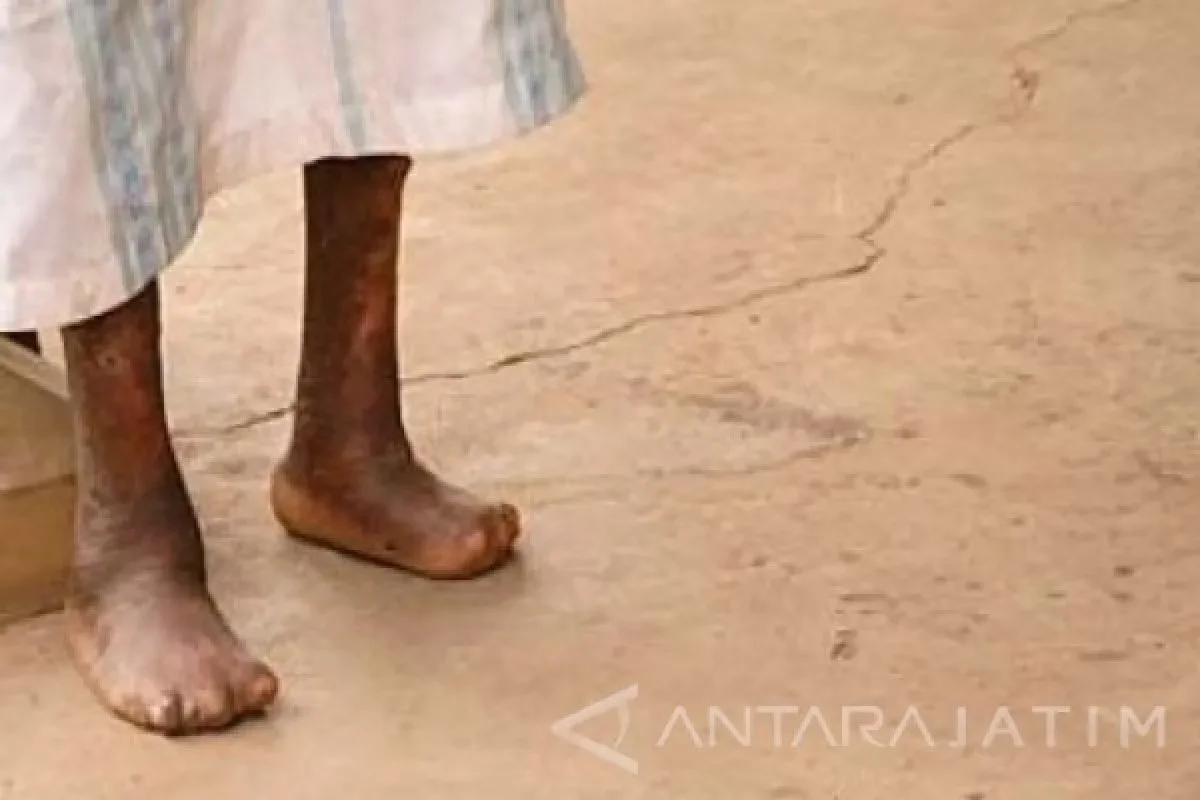
RRI.CO.ID, Jakarta - The Ministry of Health has emphasized the urgency of accelerating leprosy screening and surveillance to reduce leprosy cases in Indonesia. The country currently ranks third globally for leprosy prevalence, after India and Brazil.
Health Minister Budi Gunadi Sadikin said that several years ago, Indonesia recorded around 16,000 leprosy cases. He noted that, similar to tuberculosis, Indonesia often ranks high in infectious disease prevalence, underscoring the need for robust early detection.
“The key lies in screening and surveillance. I have integrated leprosy screening into the CKG (Free Health Check) program,” Budi said during his keynote address at the World Leprosy Day commemoration in Jakarta on Wednesday, March 11, 2026.
He explained that stigma remains a major obstacle, with many people reluctant to undergo screening. Some communities still perceive leprosy as a curse, despite its clear scientific cause. “In reality, the cause is scientifically clear and similar to TB. It is caused by the Mycobacterium leprae bacteria,” he said.
Minister Budi added that stigma also discourages some regions from reporting cases. To encourage active case-finding, the Ministry will present awards to regions that identify the highest number of cases. “Find as many as possible so they can be treated promptly. The treatment is relatively short, lasting about six months,” he said.
The Ministry is also strengthening surveillance in eastern Indonesia using genome sequencing technology. This effort aims to anticipate adverse reactions to the drug Dapsone, which can trigger Dapsone Hypersensitivity Syndrome. “If a patient is sensitive to Dapsone, the medication package must be replaced, as it can be fatal,” Budi warned.
Director General of Pharmacy and Medical Devices, Lucia Rizka Andalusia, said the CKG program has expanded to include screenings for scabies, leprosy, and frambesia (yaws). She explained that the additions were based on disease patterns and findings observed in communities.
“There are several additional examinations conducted based on existing disease patterns and findings. Therefore, we have added screenings for scabies, leprosy, and frambesia,” Lucia said. (Annaila Azzahra/Lasti Martina)
News Recomendation
Loading latest news.....